
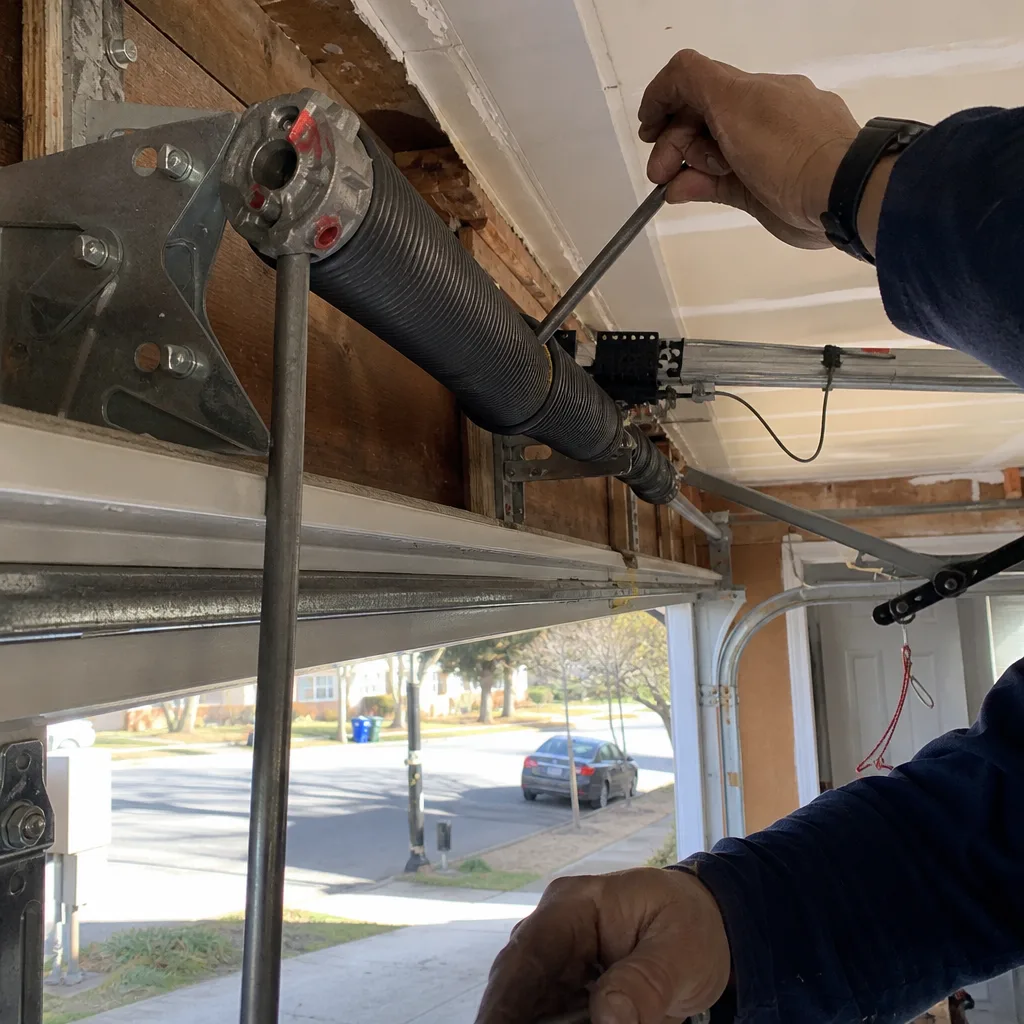
Last updated November 23, 2026
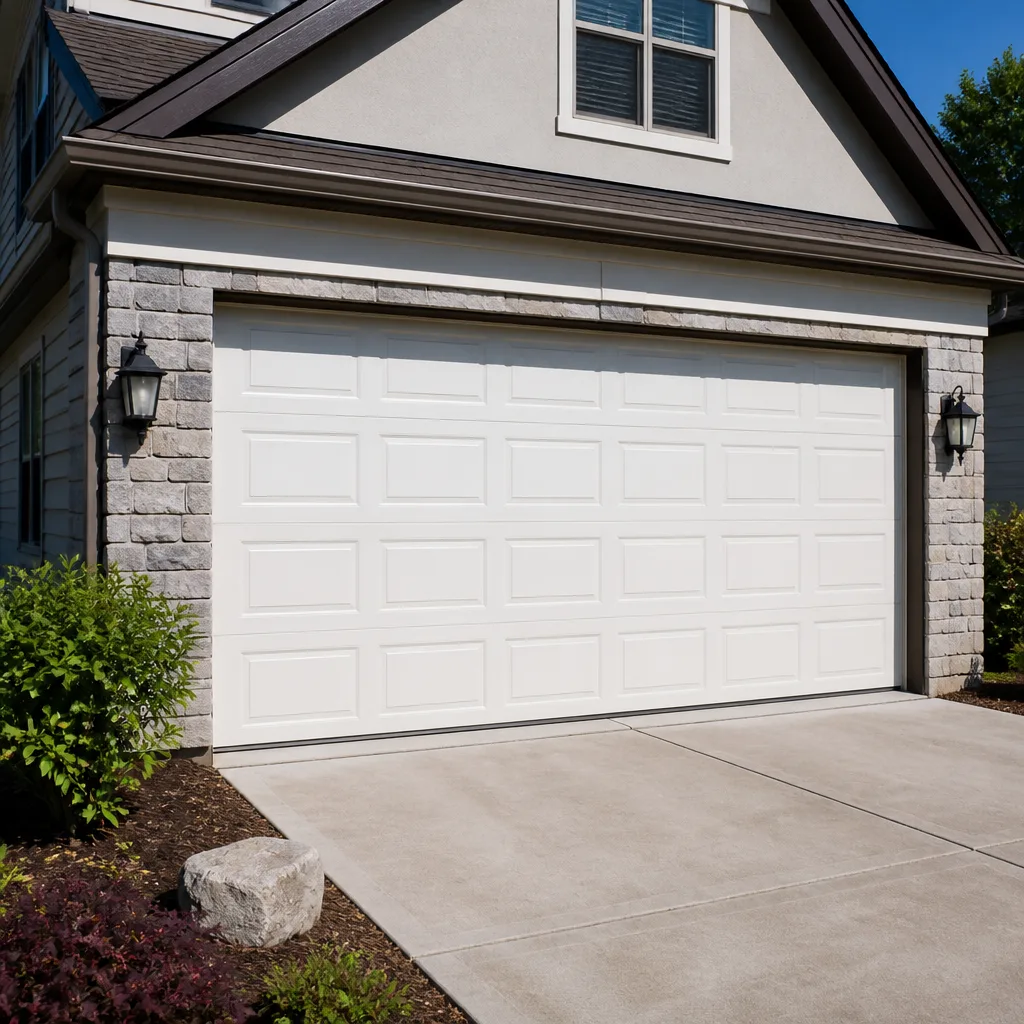 Raised-panel steel
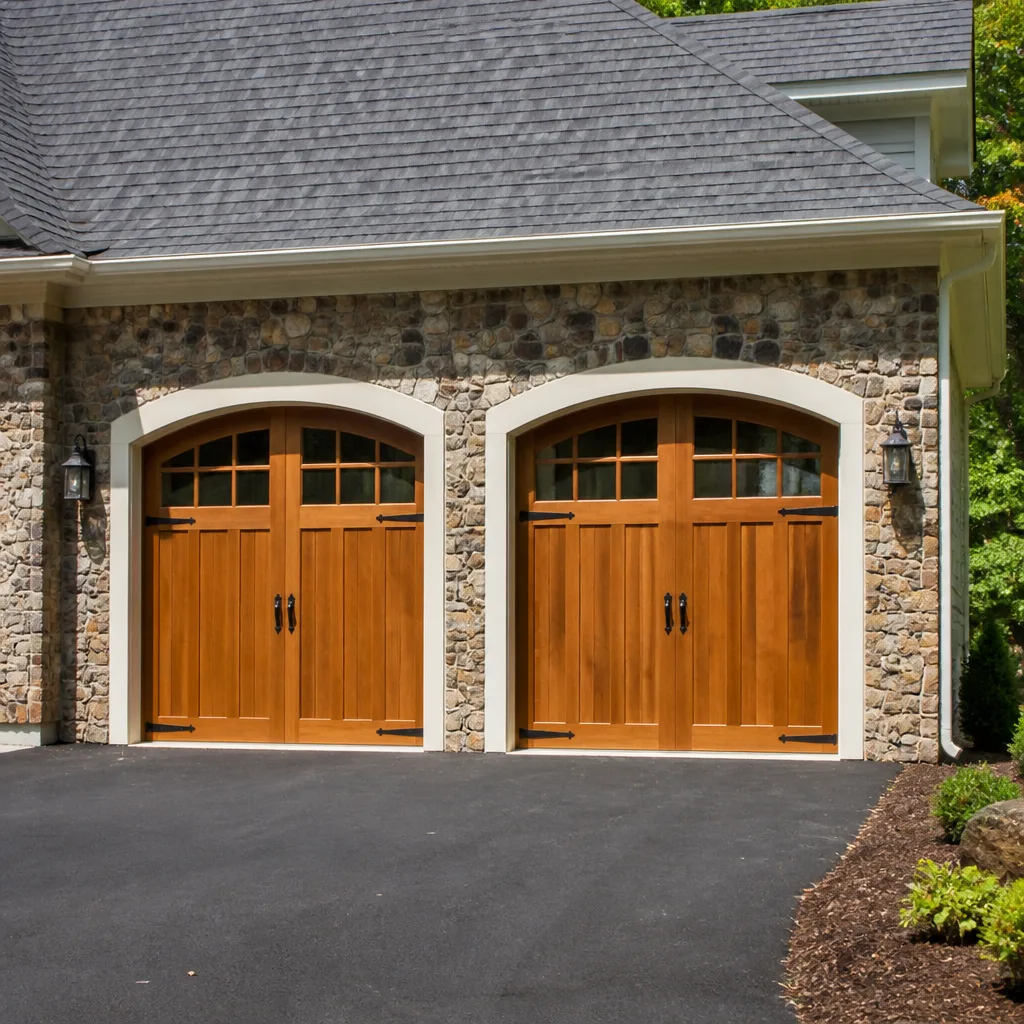 Carriage house
 Modern flush
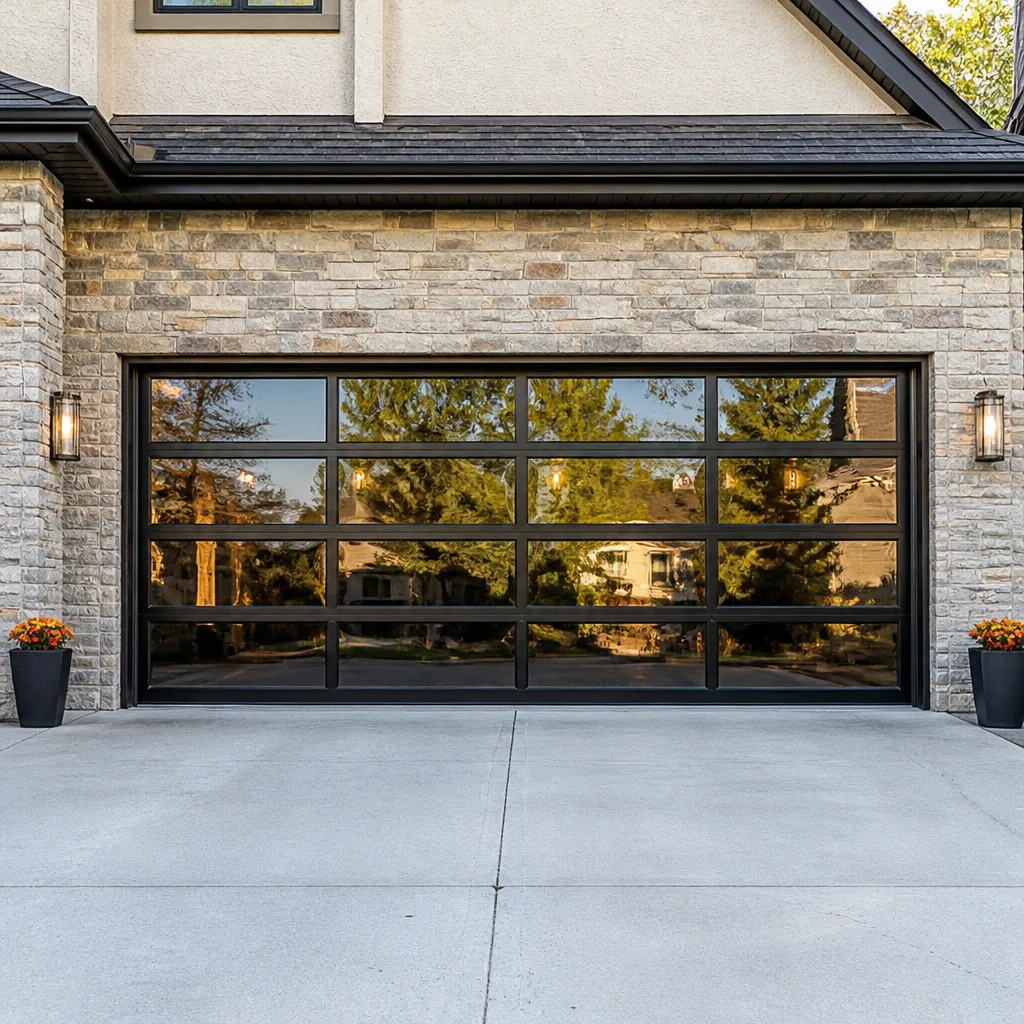 Full-view glass
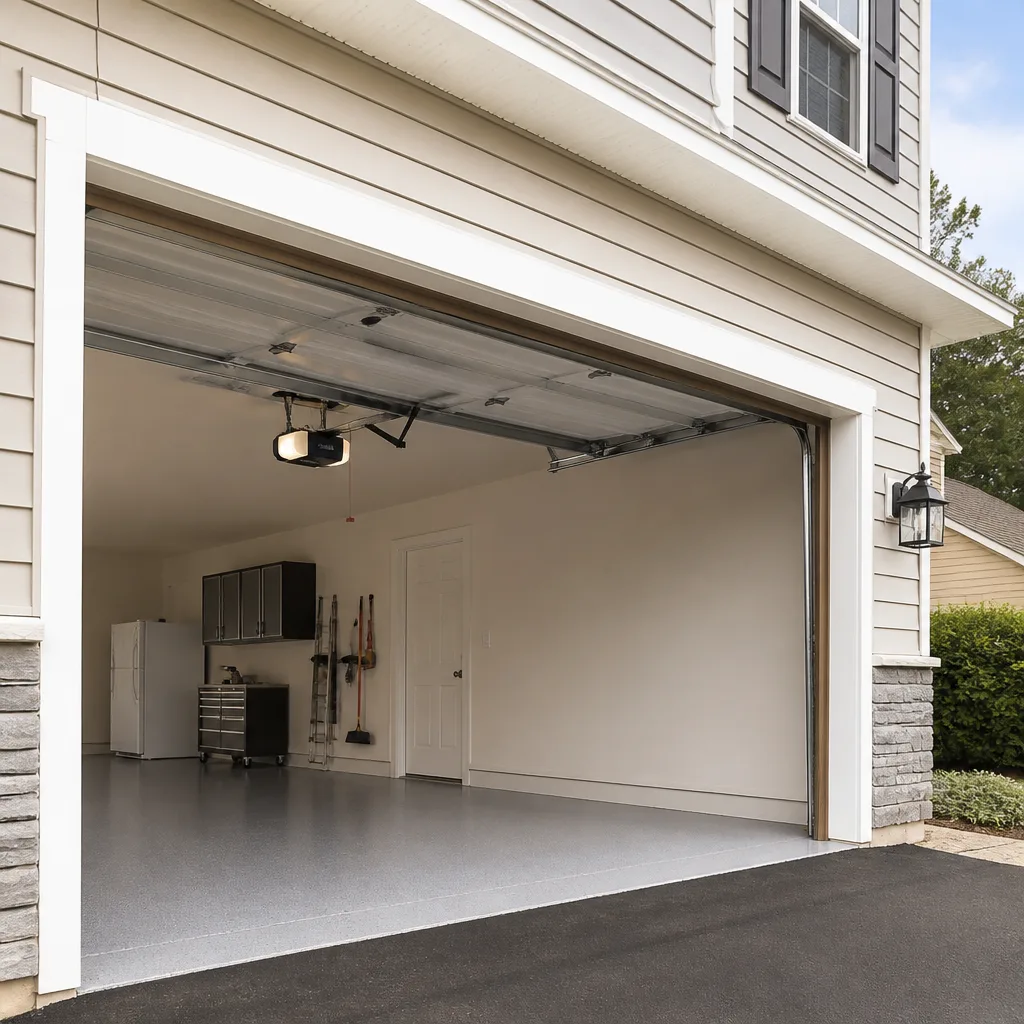 LiftMaster openers
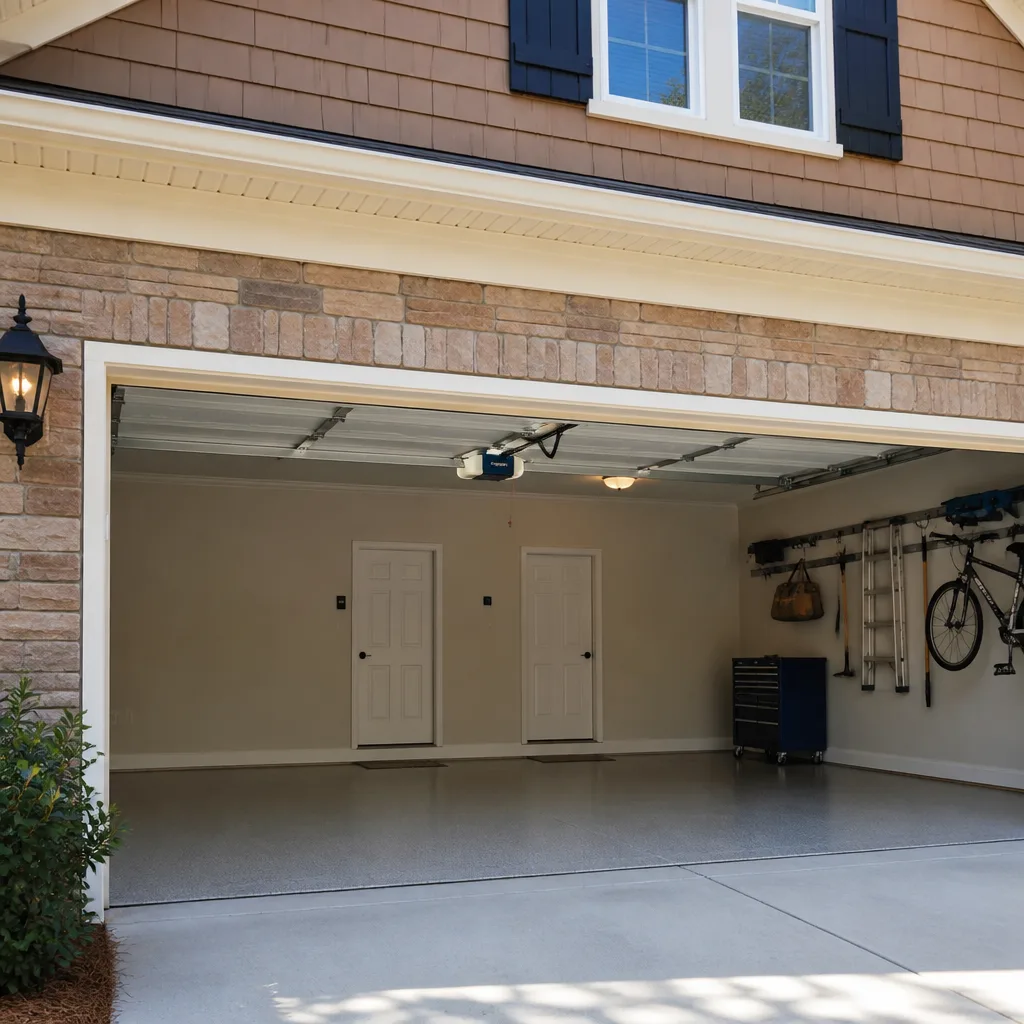 Chamberlain openers
Full 25-point door and opener safety check with every visit - springs, cables, rollers, tracks, and your LiftMaster or Chamberlain opener included
You get a price before we start. It does not change when the pro arrives.
Get your free estimateDIY vs Professional Garage Door: The Bethesda Homeowner’s Decision Guide
Most advice on this topic gets it backwards. The DIY-or-call-a-pro question for garage doors isn’t really about skill level. It’s about identifying which tasks carry mechanical risk that no amount of video prep can neutralize. A torsion spring under tension stores enough energy to cause serious injury when released improperly. But painting a door, replacing a bottom weatherstrip, or reprogramming a Chamberlain or Genie opener are jobs a careful homeowner can genuinely handle. This guide draws that line task by task instead of defaulting to “always hire out,” so Bethesda homeowners can save on the safe work and step back from the dangerous work.
Quick Answer
Some garage door jobs are safe for a careful homeowner and some are not, and the split comes down to stored mechanical energy. Painting, weatherstripping, lubricating, balancing a door by hand, and reprogramming a remote are all reasonable DIY tasks. Torsion springs, cables, and anything that involves releasing tension on the door system are jobs for a trained technician, full stop. Call (855) 550-7635 for a free estimate on anything in the second group.
Styles & brands we work with
- Raised-panel steel
- Carriage house
- Modern flush
- Full-view glass
- LiftMaster openers
- Chamberlain openers
Table of Contents
- Why Torsion Springs Are Different From Every Other Home Repair
- A Task-by-Task Breakdown: Injury Risk, Tools, and Skill Ceiling
- Maryland MHIC Rules: What’s Legal for a Bethesda Homeowner to Do
- Partial DIY: How to Cut Labor Costs Without Touching the Risky Parts
- Evaluating a Previous Owner’s DIY Work on a Used Door
- Bethesda Climate and Housing Stock: How Local Conditions Factor In
- Warranties, Insurance, and Your Exposure
- Making the Call: A Five-Question Decision Framework
Why Torsion Springs Are Different From Every Other Home Repair
Think about the last DIY job you did around the house. Replacing a faucet cartridge. Patching drywall. Clearing a drain. Each of those had a failure mode, but the worst outcome was a leak, a stain, or a mess to clean up. Torsion springs operate on a different physical scale entirely.
A torsion spring on a residential door is a coiled steel bar that has been wound under load to counterbalance the weight of the door. The spring holds hundreds of pounds of force in reserve even when the door is closed. That energy doesn’t dissipate when you stop pulling; it stays stored until something releases it, and when something releases it, the result is fast, violent, and entirely unforgiving of a hand placed in the wrong spot.
Extension springs, the older system still found on doors across Bethesda neighborhoods like Battery Park and Westgate, work differently but carry the same category of risk. They stretch along a track under tension, and a failed extension spring can whip through the surrounding area with enough force to damage whatever it hits.
Here’s the comparison that matters: fixing a leaking pipe gives you a warning – water where it shouldn’t be. A spring that’s been improperly adjusted gives you no warning at all until it fails. The failure mode doesn’t come with a slow leak. It comes with a bang and a door that won’t open.
That’s why spring repair is a safety job, not a DIY job. It’s also why we treat garage door spring repair as a named specialty rather than a service we lump in with the rest. The tools are specific, the technique is precise, and the margin for error is close to zero.
A Task-by-Task Breakdown: Injury Risk, Tools, and Skill Ceiling
Not every garage door problem is created equal. Below is a realistic rating of the most common jobs, grouped by how much risk they actually carry. Treat this as a decision framework, not a rigid rule.
Low Risk – DIY-Friendly
- Painting the door. Surface prep and paint application. No mechanical components touched. Skill ceiling is cosmetic, not mechanical.
- Replacing bottom weatherstrip. A rubber seal that slides into a retainer on the bottom panel. Basic hand tools. No tension anywhere in the assembly.
- Reprogramming a remote or keypad. Follow the opener brand’s pairing sequence. For a LiftMaster or Chamberlain unit, the procedure is documented in the owner’s manual and takes a few minutes.
- Lubricating hinges, rollers, and tracks. A garage-door-specific lubricant applied to moving metal contact points. Straightforward and low consequence.
- Balancing the door by hand. Disconnect the opener and lift the door to its midpoint. A well-balanced door stays put. If it drops or rises on its own, that’s a signal the spring system needs professional attention, not a task in itself.
- Inspecting and tightening visible fasteners. Bolts and brackets that have loosened over time can be snugged back down with a socket set. Stay clear of anything attached to a spring or cable.
Medium Risk – Approach With Caution
- Replacing rollers. Doable if the door is fully closed and the springs remain under tension the whole time. Mistakes tend to cause a door that binds rather than an injury, but the door has to be properly supported first.
- Adjusting track alignment. Small bends in a track can sometimes be corrected. Anything more than a minor tweak risks a door that comes off its track, which is a whole different problem.
- Replacing a photo-eye or safety sensor. Electrically simple, but the sensor needs to be aimed and tested against the opener’s logic. A misaligned sensor that “works” during testing but fails in daily use is a real safety gap.
High Risk – Professional Only
- Torsion spring replacement or adjustment. Requires winding bars, correct spring sizing, and the knowledge to match spring to door weight. This is the single most dangerous task in the category.
- Extension spring replacement. Less notorious than torsion but still a stored-energy job. Requires the door to be fully open and properly secured before anything is touched.
- Cable replacement. Cables are under tension even when the spring is relaxed. A cable that slips free can cause serious injury.
- Bottom bracket work. The bottom bracket is where the cable attaches, and it’s the component most associated with severe injuries when a cable is under load.
- Full opener replacement. Electrically involved, physically awkward overhead, and easy to get the safety reversing system wrong. New units are also heavier than they look.
If a job lands in the third group, the math is simple: professional labor costs less than a hand injury. We’ve seen how quickly that math becomes obvious when a spring lets go in a Bethesda garage.
Maryland MHIC Rules: What’s Legal for a Bethesda Homeowner to Do
Maryland’s Home Improvement Commission (MHIC) licensing framework governs who can be paid to perform home improvement work in the state. That framework applies to contractors, not to homeowners working on their own property. A homeowner in Bethesda can legally perform their own repairs without an MHIC license. What a homeowner cannot legally do is hire an unlicensed contractor to do the work for them.
The MHIC implications get more relevant at resale. When a home goes on the market, a buyer’s inspector is going to look at the garage door. Not just whether it opens, but how it opens. An inspector who sees signs of a spring that was replaced with the wrong size, or a track that was bent back into shape, or a door that doesn’t balance correctly will flag it. That flag lands in the inspection report and becomes a negotiation point.
Where this matters for a Bethesda homeowner:
- DIY work you did yourself is legal, but you carry the liability for it if you sell and something turns out to be wrong.
- A contractor who performed the work without an MHIC license exposes the homeowner to a similar problem – the work is unverified, and the contractor’s workmanship can’t be pursued through the state complaint process.
- An inspector who finds that a door isn’t functioning properly will flag it, and the cost of correcting it becomes part of the transaction. Negotiating that cost from a position of “the buyer found it” is worse than fixing it in advance.
- Documentation matters. Keep records of any professional service so a future buyer has something to review.
If you’re renovating a Bethesda home with a used garage door system, or inheriting one from a previous owner, ask your city’s building department about any permit requirements specific to the scope of work. Garage door installation and structural modifications are best confirmed with the city directly rather than assumed.
Partial DIY: How to Cut Labor Costs Without Touching the Risky Parts
The most practical middle ground for a homeowner is to split the job. Handle the cosmetic and low-risk items yourself, and hand the mechanical components to someone who does them every day. That reduces the labor portion of any quote without reducing safety.
Here are the tasks worth doing yourself before a scheduled garage door repair visit:
- Clear the garage. Most repairs require room to work around the door and the opener. Clearing a path and moving anything stored above the door saves time.
- Clean and note the condition of the door panels. If you’re getting an estimate for repair vs. replacement, a clean door is easier to assess. Take photos of dents, dings, and panel damage and have them ready.
- Record the door and opener brand and model. A Clopay or Amarr door and a LiftMaster opener are the kind of details a technician uses to plan the work. The label on the inside of the door or the opener housing usually gives you what you need.
- Test and note the safety features. A photo-eye that’s misaligned or a safety reversal that doesn’t trigger is worth flagging before the visit.
- Apply lubricant to hinges and rollers. A door that’s been lubricated recently is easier to operate and easier to diagnose.
- Note the exact symptoms. Does the door bind on one side? Does the opener run but the door not move? Does it reverse partway down? Specific descriptions save diagnostic time.
Where partial DIY stops: do not loosen any bolt attached to a spring, cable, or bottom bracket. Do not attempt to add tension or relieve it. Do not disconnect the opener while the door is in an open position, because a door can drop under its own weight if the springs haven’t been serviced. The line between “helpful prep” and “dangerous disassembly” is very clear, and it’s the spring and cable assembly.
Evaluating a Previous Owner’s DIY Work on a Used Door
If you bought a Bethesda home with an older garage door, or you inherited a system that a previous owner tinkered with, there’s a real question about whether what you’re looking at is safe. You don’t need to be an expert to spot most warning signs. You do need to know what to check.
Visual checks you can do yourself:
- Look at the springs. Torsion springs should be mounted to a solid center bearing plate. Extension springs should have safety cables running through them. No safety cable on an extension spring is a red flag.
- Look at the cables. Cables should run cleanly through the drum at the top and attach firmly at the bottom bracket. Fraying, kinks, or a cable that’s been re-taped is a sign of a previous repair.
- Look at the tracks. Dents, bends, or tracks that aren’t plumb to the door frame suggest a door that came off track and was bent back into place.
- Test the balance. Disconnect the opener, lift the door halfway, and let go. It should stay roughly where you placed it.
- Test the safety reversing feature. Place a roll of paper towels or a similar object in the door’s path and close it. The door should reverse on contact.
- Look for mismatched hardware. A mix of spring colors on one door, or a spring that looks visibly different from the other, suggests a replacement that may not have matched the original specification.
What you can’t check visually is whether the spring was sized correctly for the door’s weight. A door that’s been operating with the wrong springs will still open and close, but it will wear the opener prematurely and be out of balance. If you have any doubt about the age or origin of a spring replacement, have it assessed. In our experience across Bethesda’s older housing stock, mismatched spring sizing is one of the most common hidden problems on a used door.
Bethesda Climate and Housing Stock: How Local Conditions Factor In
Bethesda’s climate is a factor in how garage doors wear. Winters here are cold enough to stiffen seals and put stress on springs, and summers bring humidity that works on wood door surfaces and metal fasteners. Freeze-thaw cycles move foundations slightly, and that movement can affect track alignment on a door that was installed years ago.
The housing stock matters too. Bethesda has neighborhoods with homes ranging from mid-century construction to recent builds, and garage doors installed twenty or thirty years ago are still operating on original springs, cables, and tracks. A door that was installed with a spring rated for its door weight when new will be operating outside that rating once the spring has lost tension. Older doors are also more likely to have extension springs rather than torsion springs, and those need safety cables to be present and intact.
For homeowners in Bethesda neighborhoods like Spring Valley or Oakwood Knolls, where older single-family homes often have original garage door hardware, a visual check on the springs and cables is worth doing once a year. The one thing to watch for especially in spring and fall: doors that operate normally in mild weather but bind or act sluggish in extreme cold or heat. That’s a sign the spring system is marginal and not worth trusting through another season.
Warranties, Insurance, and Your Exposure
Here’s a question that doesn’t get asked enough: if you DIY a garage door repair and something goes wrong, what’s covered? The answer is usually nothing.
Garage door and opener manufacturers’ warranties typically don’t cover damage from incorrect installation or adjustment. If a Genie or LiftMaster opener fails prematurely because the door is unbalanced, the warranty claim will likely be denied on the grounds that the opener was working outside its designed operating conditions. That’s not the manufacturer being difficult; it’s the warranty working as written.
Homeowner’s insurance is a separate matter. The policy may cover a garage door damaged by a covered event, but it won’t typically cover a repair you performed yourself that later caused damage or injury. If a DIY spring replacement fails and damages the door, the car, or a person, the insurance company’s interpretation of “negligent self-repair” is not on your side.
The exposure goes both ways. On one side, a small DIY job done wrong because the door was already in poor condition. On the other side, the cost of hiring the job done correctly the first time. Sprung a spring, damaged a panel, or left a door out of balance, and the DIY savings evaporate quickly. This is why we can work with your insurer on a claim when a covered event caused the damage – the paperwork is part of the conversation.
Making the Call: A Five-Question Decision Framework
If you’re still on the fence after reading the sections above, work through these five questions. The first one that tips toward “no” is your answer.
- Does the job involve a spring, a cable, or a bottom bracket? If yes, it’s a professional job. No exceptions. This is the line that matters more than any other.
- Can you do the job with the door closed and the springs under tension the whole time? Some jobs can be done safely in that position. Others can’t. If the answer is no, step back.
- Is the door balanced and operating normally right now? A door that’s already binding, banging, or reversing erratically is telling you there’s an underlying problem. Adding DIY work on top of an existing issue compounds the risk.
- Do you have the right tools for the job? A torsion spring job requires winding bars and the knowledge to use them. If you don’t own the tools, you don’t have them for this job either.
- Is this a repair or a replacement decision? If the door has multiple failing components or is past its service life, a repair may only postpone the inevitable. Call for an estimate on a full replacement and compare it to the cost of repairing a door that will need to be replaced within a year or two.
If the answer to any question points toward professional work, call (855) 550-7635 for a free estimate. We answer 24/7. Fast dispatch from 7am to 7pm, Sunday through Friday.
Common Mistakes to Avoid
- Assuming “it opens and closes” means it’s fine. A door can operate with the wrong spring size, a frayed cable, or an unbalanced panel for months before it becomes an obvious problem. Regular visual checks catch these earlier.
- Buying a replacement spring by color code alone. Spring color codes indicate wire size and inside diameter, but a spring must be matched to the door’s actual weight. A wrong-size spring will still fit, and that’s exactly what makes it dangerous.
- Skipping the safety cables on extension springs. If the original springs didn’t come with cables, add them. It’s a low-cost addition that contains a failure if the spring ever lets go.
- Adjusting a torsion spring without winding bars. Improvised tools like screwdrivers or pliers are how injuries happen. The proper tool exists for this reason, and no substitute works.
- Ignoring an opener that strains to lift the door. A struggling opener is usually a door problem, not an opener problem. The opener is doing what it’s supposed to do; the door is telling you it needs service.
- Painting over a damaged bottom seal. Sealing the door but leaving the weatherstrip in bad shape leaves the same gap. Address the seal and the paint as separate jobs.
- Hiring a contractor for cosmetic work that’s genuinely easy to handle. The opposite mistake from all the others, and just as real: paying professional rates for a paint job or a weatherstrip replacement when the task is straightforward and safe for a homeowner.
See the difference
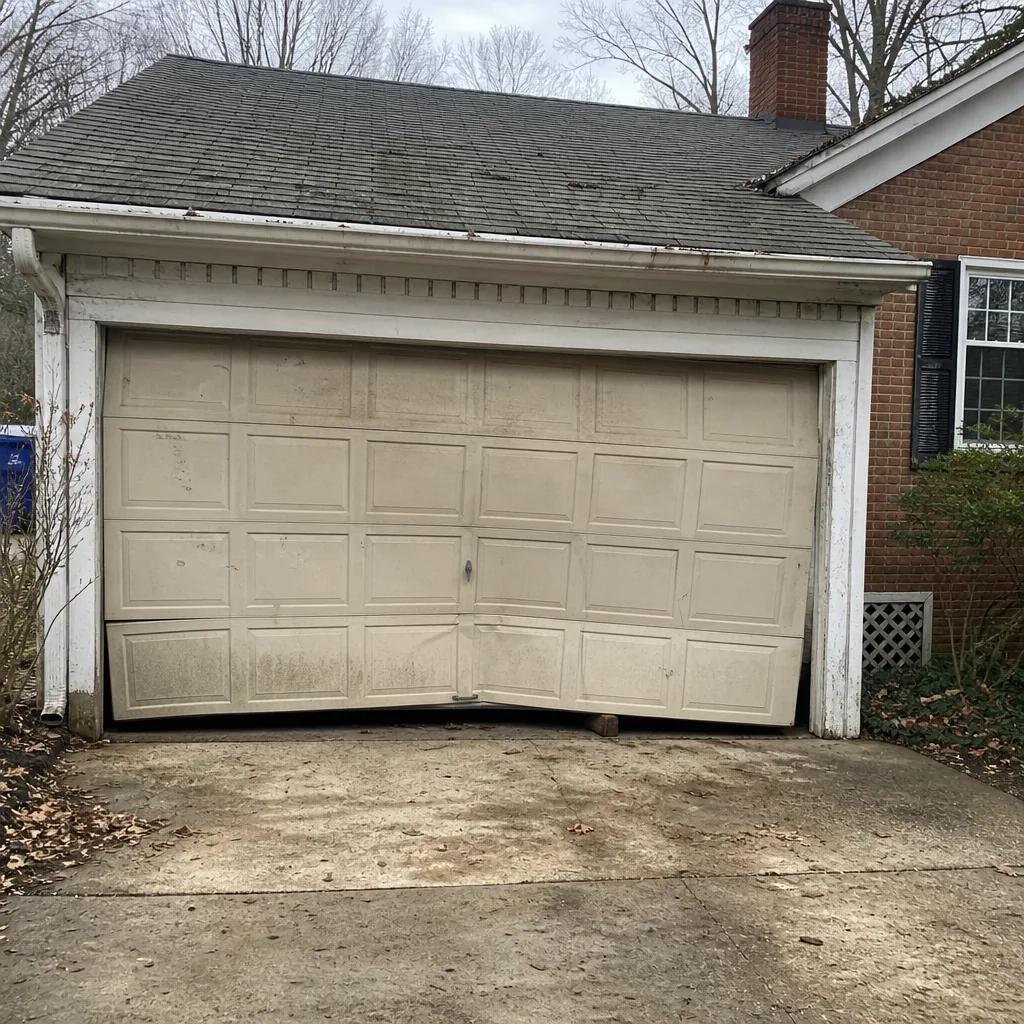 Before
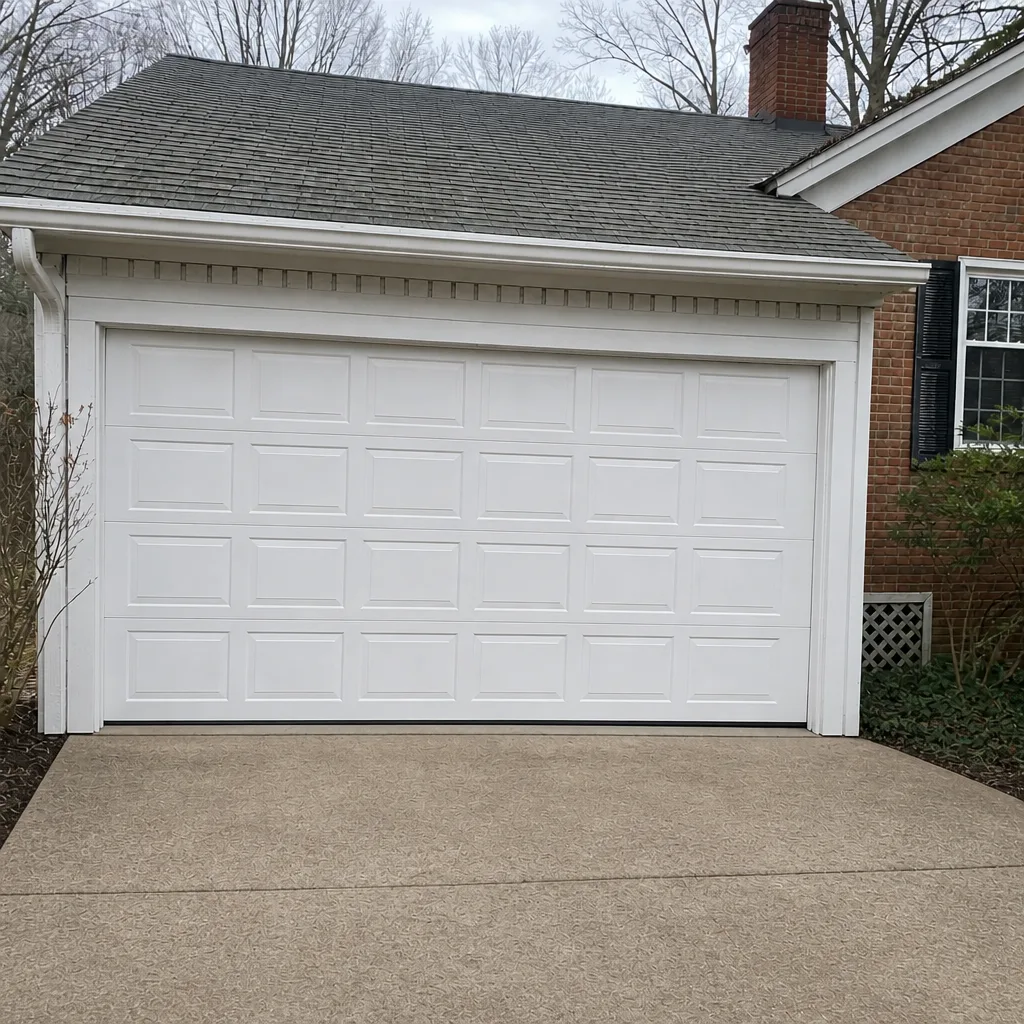 After
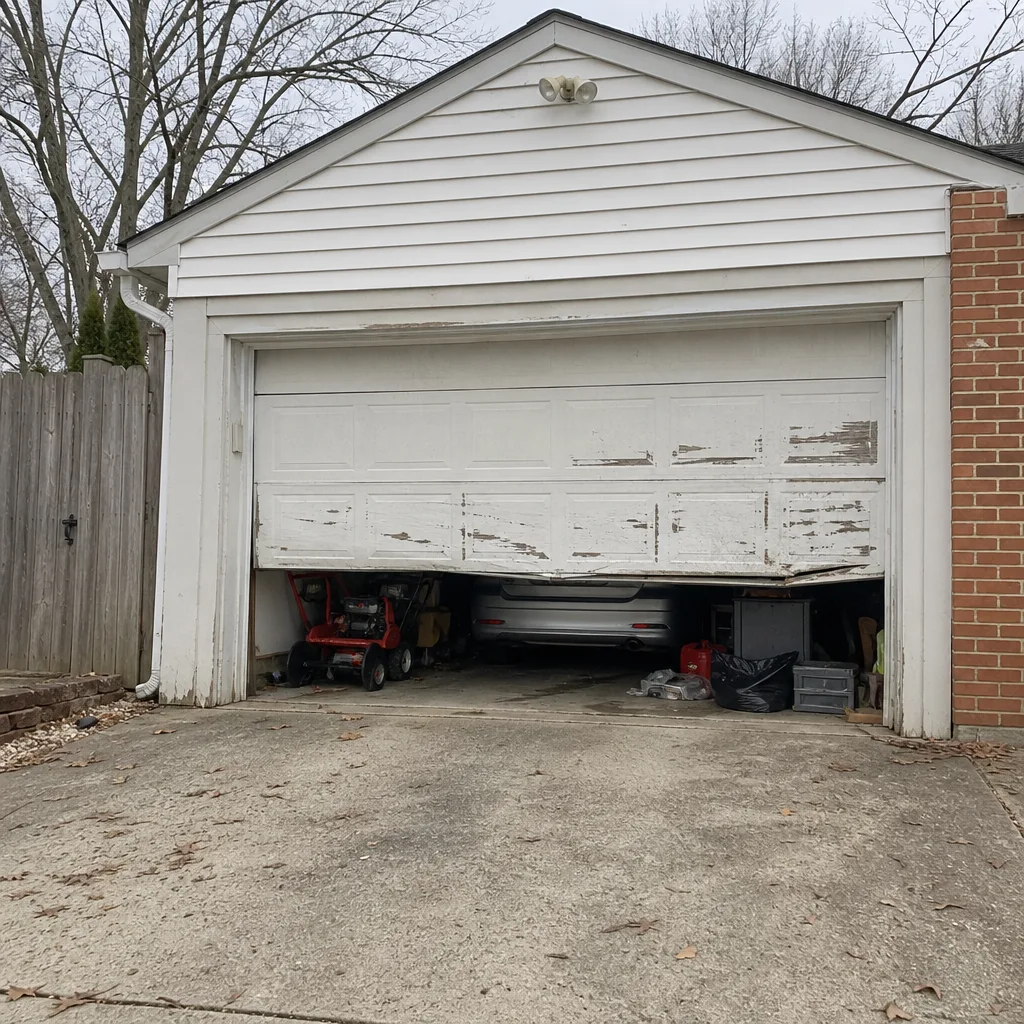 Before
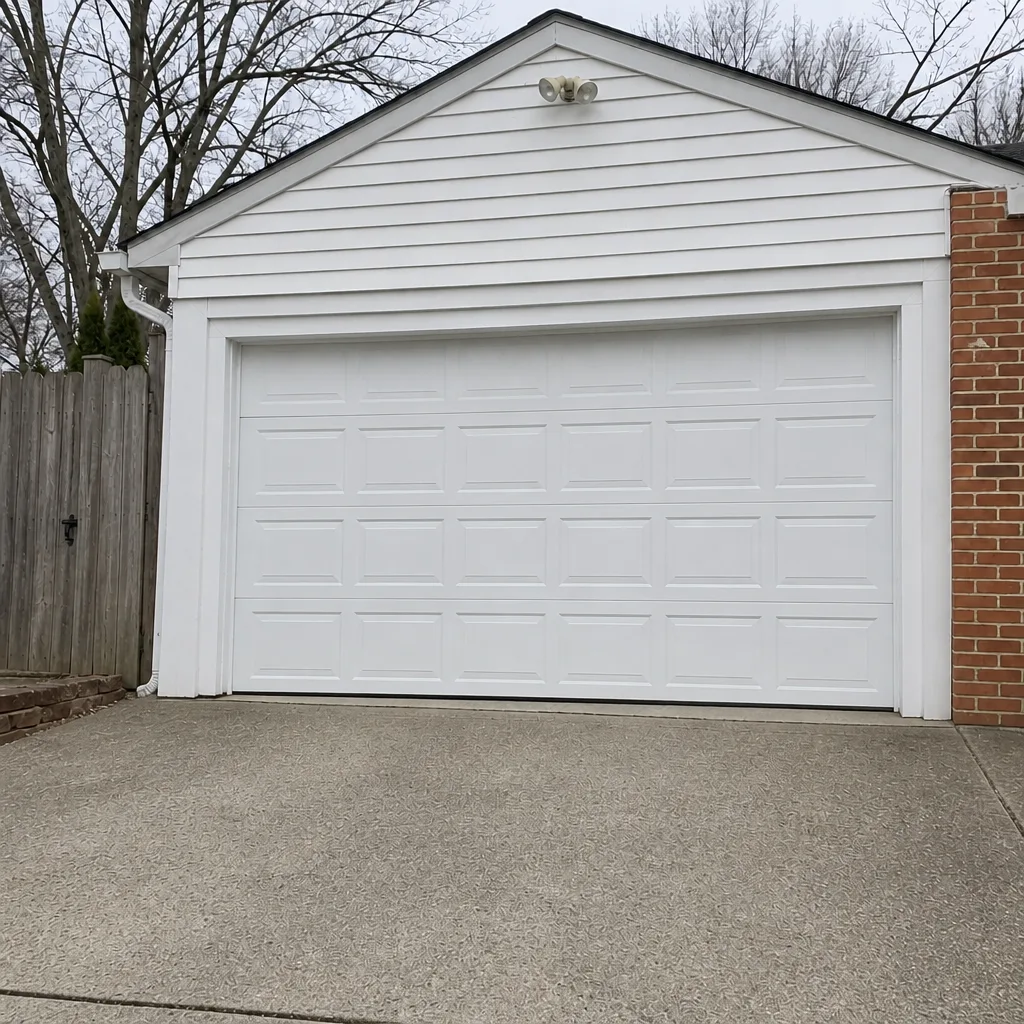 After
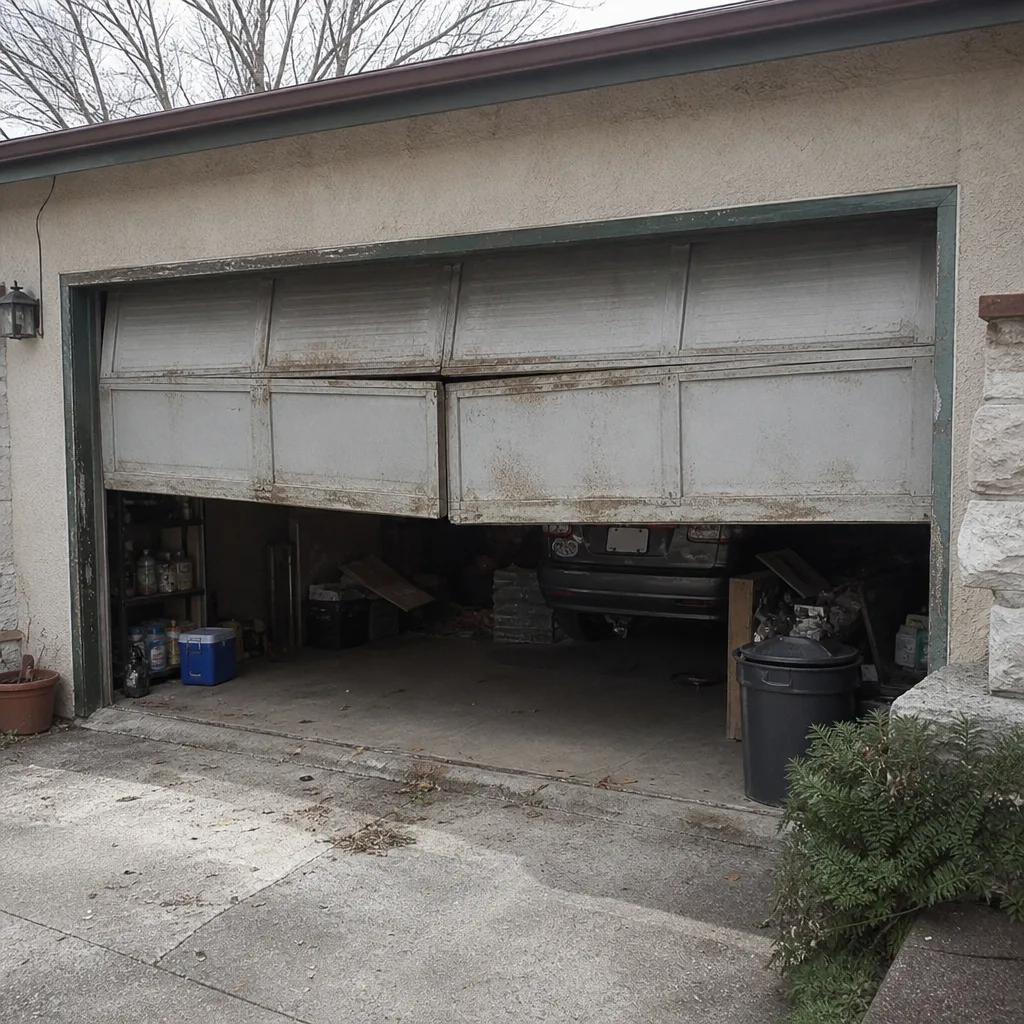 Before
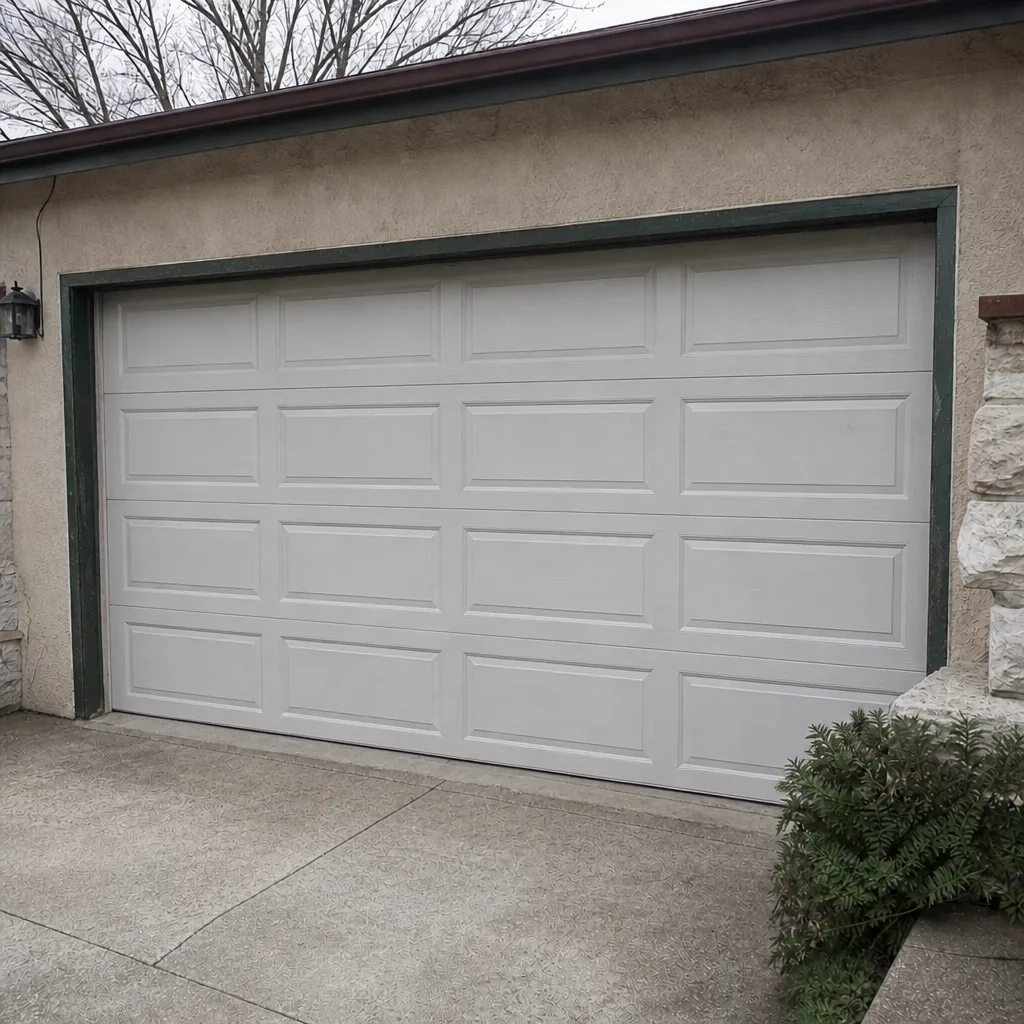 After
When to Call a Professional
Call a professional when the job involves a spring, a cable, a bottom bracket, an opener that won’t lift the door, or any symptom that suggests the door is out of balance. Also call when the door won’t open at all and you need to get a car out, or when the door has come off its track and is hanging at an angle. Those aren’t tasks to work through over a weekend. The risk of a door dropping, a cable slipping, or a spring letting go under load is real, and a garage door is your home’s largest moving part.
Bethesda Garage Door Repair Pros offers free estimates in Bethesda. Call (855) 550-7635. We answer 24/7. Fast dispatch from 7am to 7pm, Sunday through Friday. Our technicians have up to 9 years of experience, we work on your brand – whether that’s a Chamberlain opener, a Clopay door, or another system – and we can handle everything from a snapped spring to a full new installation.
Frequently Asked Questions
No. Torsion and extension springs store enough mechanical energy to cause serious injury, and replacing them requires specific tools and training. This is the one category of garage door work we recommend against every time, regardless of how much preparation a homeowner has done. Call (855) 550-7635 for a free estimate – estimates are free.
It depends on what the repair is. Painting, weatherstripping, and lubricating are worth doing yourself. Anything touching a spring or cable isn’t small, even if it looks like it. Call (855) 550-7635 and we’ll tell you whether a free estimate makes sense for the job.
The local pro who comes to your Bethesda home is licensed and insured as their state requires. We connect homeowners with independent local professionals who perform the work. Call (855) 550-7635 to ask about credentials before booking – estimates are free.
In most cases, yes. We offer same-day service when a door won’t open and your car is inside, and emergency garage door service for failures that can’t wait for a standard appointment. Call (855) 550-7635. We answer 24/7. Fast dispatch from 7am to 7pm, Sunday through Friday. A call outside dispatch hours is booked into the next opening, Sunday through Friday, 7am to 7pm.
No. The price you’re quoted is set by a written estimate before any work starts, and the written estimate sets the final price. If we find an additional problem during the visit, we explain it and get your approval before adding anything to the bill. Call (855) 550-7635 for an exact quote – estimates are free.
Spring repair is priced by the spring, not by the visit. A single torsion spring replacement is typically quoted in the $180 to $340 range, and a matched pair is usually replaced together, so a pair runs about double that. The written estimate sets the final price. Call (855) 550-7635 for a free estimate on your specific door.
No, we’re closed Saturday. Our dispatch hours are Sunday through Friday, 7am to 7pm. The phone line is answered 24/7. Call (855) 550-7635 to book your visit – estimates are free.
A buyer’s inspector will likely find out-of-balance doors, mismatched springs, or bent tracks. The finding becomes a negotiation point, and the correction is usually at your expense. If you’re unsure about previous work on your door, call (855) 550-7635 for a free assessment before you list.
The Bottom Line
The DIY vs professional question for garage doors comes down to one line: stored mechanical energy. Painting, weatherstripping, lubricating, and reprogramming a remote are genuinely safe tasks for a Bethesda homeowner. Springs, cables, and bottom brackets are not – not because homeowners aren’t capable, but because the danger isn’t in the skill, it’s in the physics. Partial DIY is the smart middle ground. Handle the easy work yourself, document everything, and let a trained technician handle the spring and cable jobs. If you’re weighing a repair on a door that’s seen better days, a free estimate from Bethesda Garage Door Repair Pros will give you the real numbers. Call (855) 550-7635 – estimates are free. We work on all major brands, including Chamberlain, Genie, Clopay, and Amarr, and we handle garage door opener repair and emergency service when a failure can’t wait.
Contact
If you’ve read this far and you’re still not sure which side of the line your repair falls on, that’s the moment to call. Bethesda Garage Door Repair Pros specializes in garage doors and nothing else, from garage door repair through garage door spring repair and full new installation. Call (855) 550-7635 for a free estimate. We answer 24/7. Fast dispatch from 7am to 7pm, Sunday through Friday. You can also learn more about our full service scope at Bethesda Garage Door Repair Pros.
Written by the team at Bethesda Garage Door Repair Pros.