
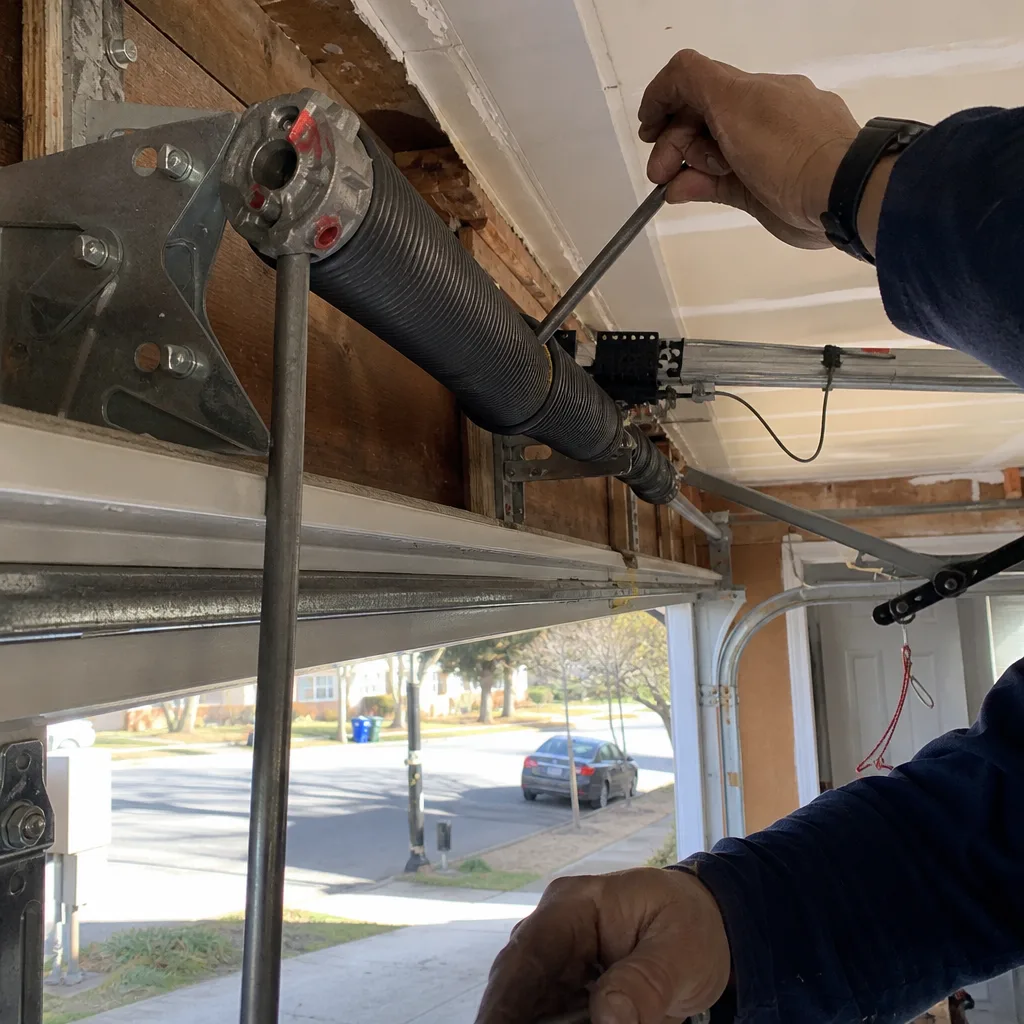
Last updated November 23, 2026
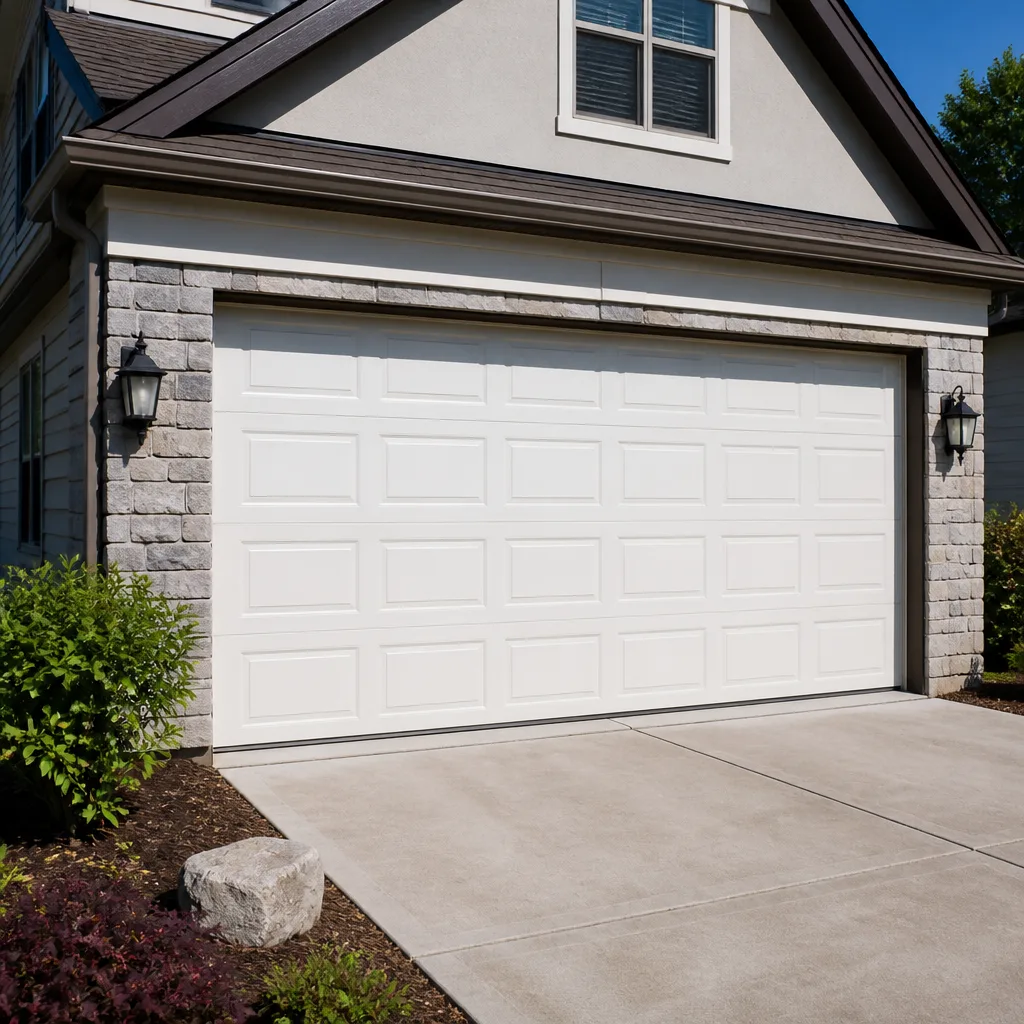 Raised-panel steel
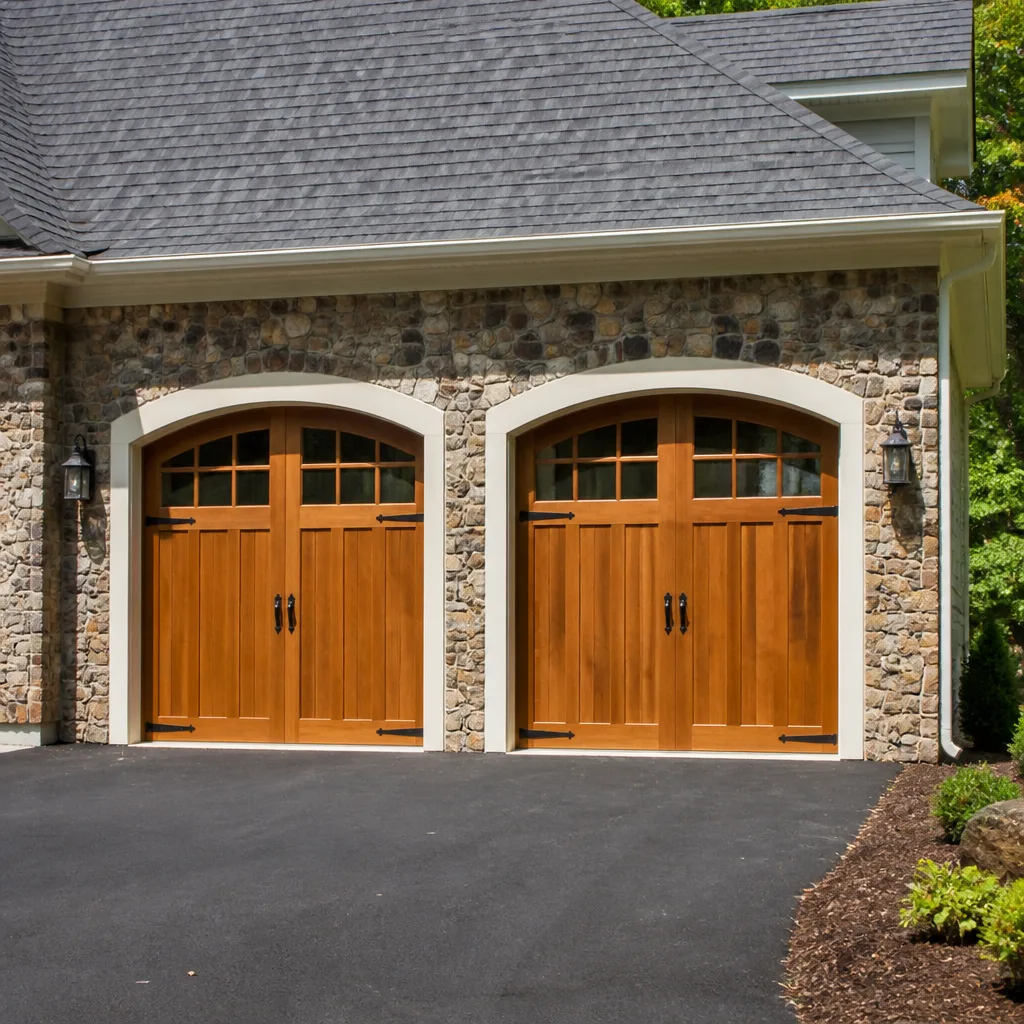 Carriage house
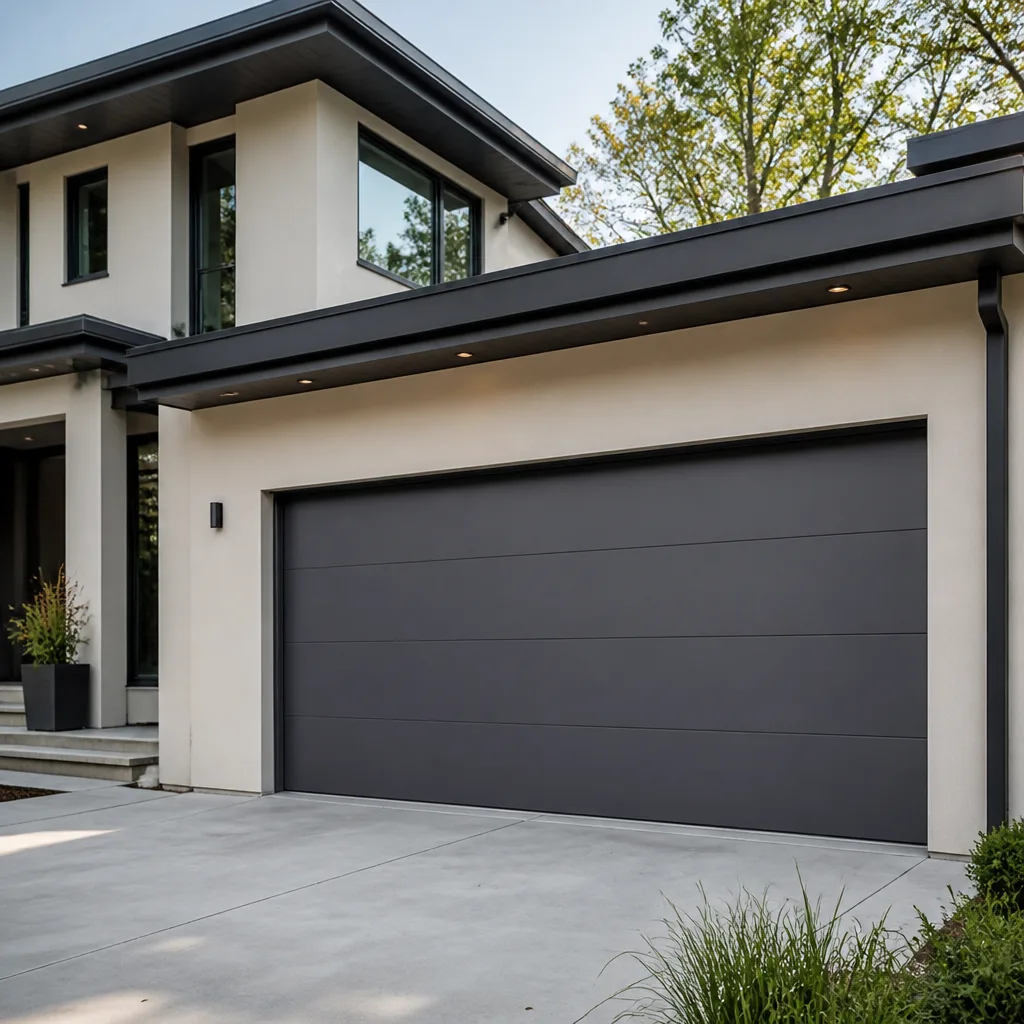 Modern flush
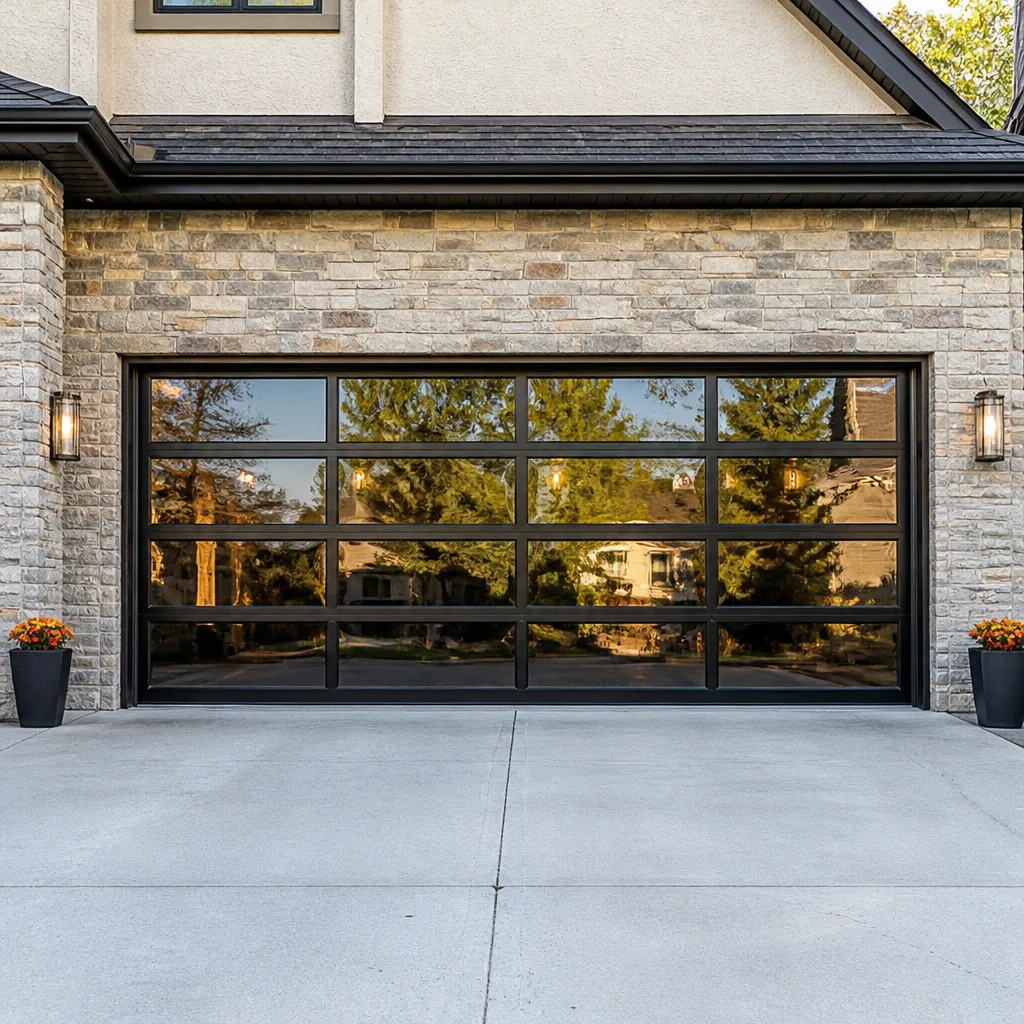 Full-view glass
 LiftMaster openers
 Chamberlain openers
Full 25-point door and opener safety check with every visit - springs, cables, rollers, tracks, and your LiftMaster or Chamberlain opener included
You get a price before we start. It does not change when the pro arrives.
Get your free estimateGarage Door Permits, Codes & Inspections in Bethesda, MD: What You Need to Know
Here’s the part that surprises most homeowners: a straight door-for-door replacement in Bethesda usually needs no permit at all. But change the opening size, add structural header work, or install a new opener on a circuit that needs upgrading, and you’ve crossed into permit territory, often without anyone warning you. The line between “no paperwork” and “full permit review” is technical, and most contractors don’t explain it upfront. This guide walks through the Montgomery County permit threshold, the extra layer that historic overlay zones add, fire-rated door rules for attached garages, and how to verify permits were pulled before the work starts, not after. If you’re in Bethesda and about to replace a door or add an opener, read this first.
Quick Answer
A simple door-for-door garage door replacement in Bethesda generally doesn’t require a Montgomery County building permit, but any change to the opening size, structural header modification, or electrical work to support a new opener usually does. Historic overlay zones near downtown Bethesda can add a separate review layer on top of the standard permit process. Verify the permit requirement with Montgomery County’s Department of Permitting Services and ask your contractor to show the permit before work begins.
Styles & brands we work with
- Raised-panel steel
- Carriage house
- Modern flush
- Full-view glass
- LiftMaster openers
- Chamberlain openers
Table of Contents
- When Does Garage Door Work Need a Permit in Bethesda?
- How Historic Overlay Zones Add a Review Layer
- Fire-Rated Doors Between an Attached Garage and Living Space
- What a Failed Inspection Means and How Remediation Works
- How to Verify Your Contractor Pulled the Permit
- Opener Installation and Electrical Code
- What Actually Happens on Inspection Day
- When to Call a Professional
When Does Garage Door Work Need a Permit in Bethesda?
The short answer: size, structure, and electrical work drive the decision, not the door itself. Swapping a door for one of the same dimensions in the same opening, with no structural change, is typically treated as routine maintenance and doesn’t trigger a building permit in Montgomery County. The moment the scope changes, so does the requirement.
In our experience across Bethesda, here’s how the threshold usually breaks down:
- No permit typically needed: direct door-for-door replacement in the existing opening; replacing springs, cables, rollers, or hinges; replacing an opener with a same-amp unit on existing wiring.
- Permit usually required: widening or heightening the opening; moving the door plane; any structural work to the header or framing; installing a new electrical circuit for an opener; converting a carport-style opening into an enclosed garage door.
- Case by case: switching door type (roll-up to sectional, or adding glass panels), or changing a manual door to an automatic opener system where no circuit exists.
Montgomery County’s Department of Permitting Services (DPS) is the authority that makes the final call, and the requirement can shift based on how the work is described on the application. That’s why it pays to ask the question before the door is removed, not after. A contractor who knows Bethesda housing stock will recognize when a “simple replacement” actually involves header work, which is common in older homes where openings have settled or been modified over the years.
The permit question matters for one more reason: if you ever sell the home, an unpermitted structural change or electrical addition can surface in a buyer’s inspection and complicate the sale. For work that touches structure or wiring, the paper trail is worth the extra step. For pure mechanical repair, our garage door repair service doesn’t require permits, and we can tell you on-site whether your scope crosses the line.
How Historic Overlay Zones Add a Review Layer
Bethesda’s downtown area includes historic overlay zones, and if your home sits inside one, a garage door project can face an additional review that has nothing to do with whether the door is safe or up to code. The overlay is about appearance and character, and it’s layered on top of the standard permit process.
What this means in practice:
- A building permit may be required for the structural scope, and a separate historic review may be required for the appearance of the door and its surrounding features.
- Door style, material, glazing pattern, and garage frontage details can all fall under review in these zones.
- The review timeline runs separately from the building permit, so a project can clear one and wait on the other.
- Replacing a door with an identical-style unit is usually simpler than changing the look; changing the look is where the review layer bites.
If your property is anywhere near the downtown historic district, the practical step is to confirm your overlay status before you order a door. Once a door is manufactured and delivered, changing course is expensive. We’ve worked with homeowners in and around Bethesda’s older established neighborhoods who chose a door that suited the streetscape first and the opener second, and it saved them a reorder. For a new install where appearance matters, our garage door installation service can walk you through door options that fit both the review and your daily use.
The overlay review is not a reason to avoid the project, but it is a reason to start the conversation early. A door that clears historic review and code review is a door you won’t have to think about again.
Fire-Rated Doors Between an Attached Garage and Living Space
This is the rule that catches the most Bethesda homeowners off guard, and it’s not about the overhead door at all. It’s about the door between an attached garage and the house. The International Residential Code (IRC) has long required that the door separating a garage from a residence be a solid wood door not less than 1-3/8 inches thick, a solid or honeycomb-core steel door at least 1-3/8 inches thick, or a 20-minute fire-rated door. Maryland adopts the IRC with its own amendments, so the exact language applied in Montgomery County should be confirmed with DPS, but the intent is consistent: slow the spread of fire and fumes from the garage into the living space.
What homeowners miss:
- A standard hollow-core interior door between the garage and the house is not compliant, and this shows up in inspections.
- The door must self-close and self-latch; a propped-open fire door defeats the purpose.
- If you’re renovating and adding a garage-to-house door where none existed, this is a permit-and-inspection item, not a handyman task.
- The overhead garage door and the fire door are two different doors under two different sets of rules; don’t let a contractor treat them as the same item.
When we’re called out for an overhead door problem in Bethesda, we sometimes spot a non-compliant separation door in the process. We flag it, but it’s a separate scope from the overhead door itself. If your renovation involves placing a new door between a garage and living space, treat it as a safety item first and a convenience item second; this is a fire and carbon-monoxide barrier, not a closet door.
What a Failed Inspection Means and How Remediation Works
A failed inspection isn’t a catastrophe, but it does mean the work isn’t signed off, and the consequences depend on what failed. A door that’s fine mechanically but violates a structural, fire-separation, or electrical requirement won’t pass until the deficiency is corrected. The risk isn’t the inspection fee, it’s the correction.
Typical remediation paths, in order of what usually happens:
- Get the specific deficiency in writing. The inspector’s report names the code item; that tells you and your contractor exactly what to fix, not what to guess at.
- Separate cosmetic from structural or life-safety items. A door finish that doesn’t match the approved drawing is a re-review; a missing fire-rated separation door or a header that wasn’t engineered is a rebuild.
- Correct the structural or safety item first, then re-inspect. The re-inspection is usually scoped to the failed item, not the whole project.
- If the work was done without a required permit, apply for the permit retroactively. This is common and generally workable, but the process is slower and can require opening up finished surfaces so the inspector can see the work.
- Keep the final sign-off with your home records. It matters at resale.
For homeowners who had work done without the required permits, the important point is that a retrofit is usually resolvable. It’s more work, not the end of the line. The worst outcome is leaving it undisclosed and unaddressed. If the concern is whether your existing door is safe in the meantime, spring or opener problems are usually the urgent item; a garage door spring repair call can confirm the hardware is sound while you sort out the permit side.
How to Verify Your Contractor Pulled the Permit
A permit is only as good as the paper trail, and the paper trail belongs to whoever pulls it. On a garage door project in Bethesda, the permit should be pulled by the contractor doing the structural or electrical work, before demolition starts. Here’s how to verify it, in order:
- Ask, before the contract is signed, who pulls the permit. The answer should be the contractor, not you. A contractor who suggests the homeowner pull the permit is passing off the responsibility, and it usually means the contractor isn’t licensed for that scope.
- Ask for the permit number once it’s issued. Montgomery County DPS can confirm it’s real and that it covers the work described. You don’t need to be a contractor to check; you just need the number.
- Match the permit scope to the actual work. A permit for a “door replacement” doesn’t cover structural header work. Ask the contractor to confirm in writing that the permit covers the full scope.
- Confirm the inspection is scheduled before the contractor is paid in full. A final payment tied to final inspection protects you.
- Keep copies of the permit and the final inspection sign-off in your home file. It’s the easiest piece of paperwork you’ll ever need at resale.
We can’t speak for every contractor in Bethesda, but the pattern we see is that the contractors who resist the permit conversation are the same ones who resist fixing a poor install. If a bid feels cheap on a job that needs permits, that’s usually why. The skill you’re paying for on a project with structural or electrical scope is knowing which items need a permit and pulling them correctly.
Opener Installation and Electrical Code
An opener swap on existing wiring is usually a no-permit job. A new circuit for an opener, a new outlet in the garage, or an upgrade to support a higher-amp unit is electrical work, and that’s where the permit question gets more delicate. Electrical permits are separate from building permits, and the work generally has to be done by a licensed electrician, not a garage door contractor.
What homeowners should know about their opener brand and its electrical needs:
- LiftMaster and Chamberlain units commonly run on standard 120V garage circuits; a new circuit is often needed only in older homes or when converting a manual door.
- Genie belt-drive and chain-drive systems follow similar electrical requirements, and the demand on the circuit is modest, so the permit question is about new work, not the opener brand.
- If your door was manual and you’re adding an opener, that’s a new install with a new electrical requirement, and it falls under permit-and-inspection.
- Battery-backup openers add complexity in the electrical plan in jurisdictions that require them; confirm the current requirement with DPS.
We service Raynor, LiftMaster, Chamberlain, and Genie openers and know which units pair cleanly with a home’s existing wiring and which don’t. When the scope needs a new circuit, the right move is a licensed electrician for the wiring and a garage door specialist for the opener and door, working from the same plan. Our garage door opener repair service can usually sort out the opener side without permits; a brand-new opener on a home without a dedicated circuit is where to slow down and check first.
What Actually Happens on Inspection Day
For a permitted garage door project in Bethesda, inspection day is usually brief and focused on the elements that carry code weight. Knowing what the inspector looks at makes the day less stressful and helps you catch problems before they arrive.
What inspectors typically check:
- Structural work: the header, framing, and opening dimensions as they appear on the approved plan, not as they were built by improvisation.
- Fire separation: the door between an attached garage and living space, if it was part of the scope.
- Electrical: the circuit, the outlet, and the connection path for the opener, if new electrical work was in the plan.
- Safety hardware: the door’s reversing mechanism and photo-eye system, which are safety items anyone should confirm whether or not an inspection is on the calendar.
The inspection is not the same thing as a service call. An inspector verifies construction against code and plan; a technician verifies the door operates correctly. A door that passes inspection should still be tested for balance and safety features after the fact, especially on a new install. If your inspection is cleared and the door is working, the paperwork goes in the file and you’re done. If it’s not, the correction item tells you what to do next.
Common Mistakes to Avoid
- Assuming “replacement” always means no permit. A door swapped in the same opening is usually permit-free, but the same word covers structural work on some jobs. Ask before the old door comes down.
- Missing the historic overlay question. If your Bethesda home is near the downtown historic district, order a door that fits the review first; reordering after delivery is costly and slow.
- Treating the garage-to-house door as an afterthought. A hollow-core separation door is a fire and carbon-monoxide problem. Verify the fire-rating requirement with DPS if it’s part of a renovation.
- Assuming the contractor pulled the permit just because the price included “permit fees.” Ask for the permit number and confirm it covers the actual scope. A permit that doesn’t match the work isn’t protection.
- Paying in full before the final inspection. Tie the last payment to the inspection sign-off; it’s the simplest way to make sure it gets completed.
- Letting a general handyman install an opener on a new circuit. Electrical work on a new circuit generally goes to a licensed electrician; a garage door specialist handles the door and opener side.
- Skipping the safety-feature check after a pass. An inspection doesn’t replace a balance and photo-eye test. A door that passes code can still have a reversing problem.
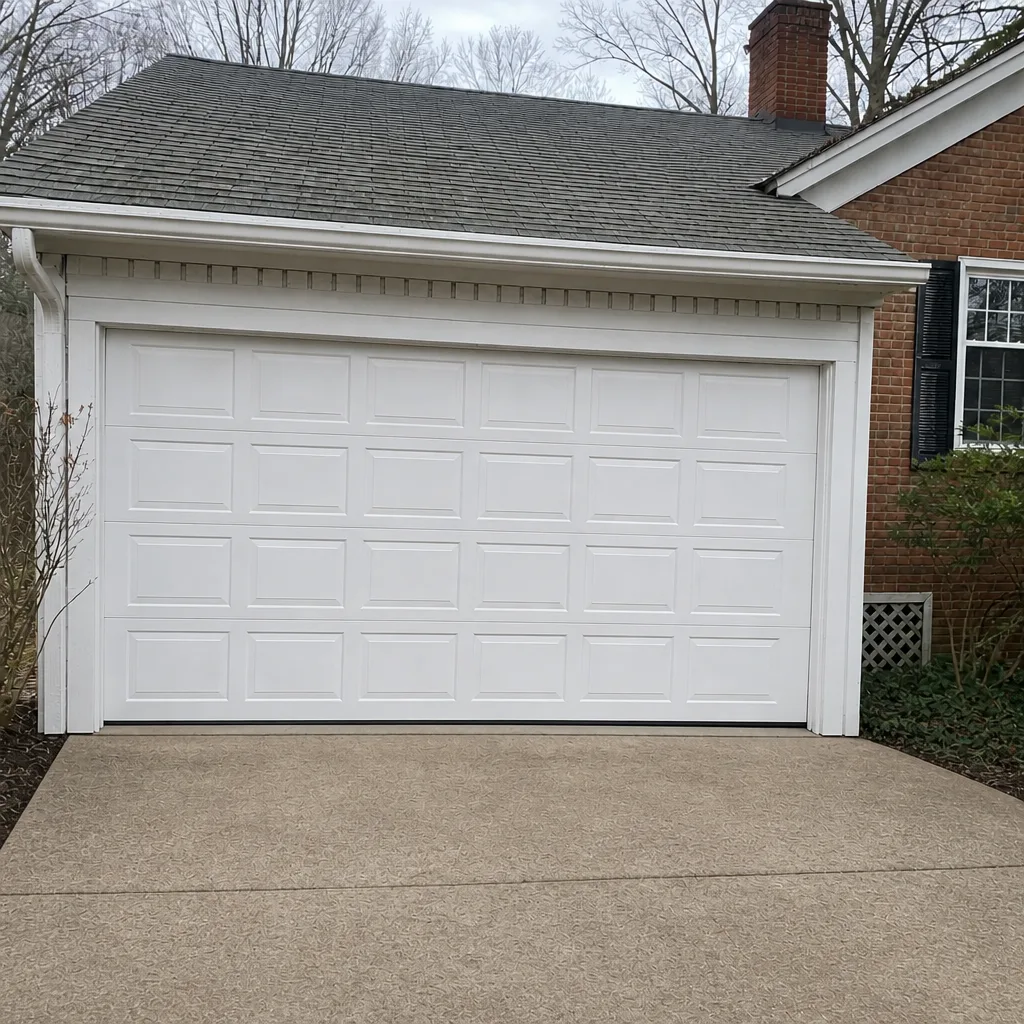
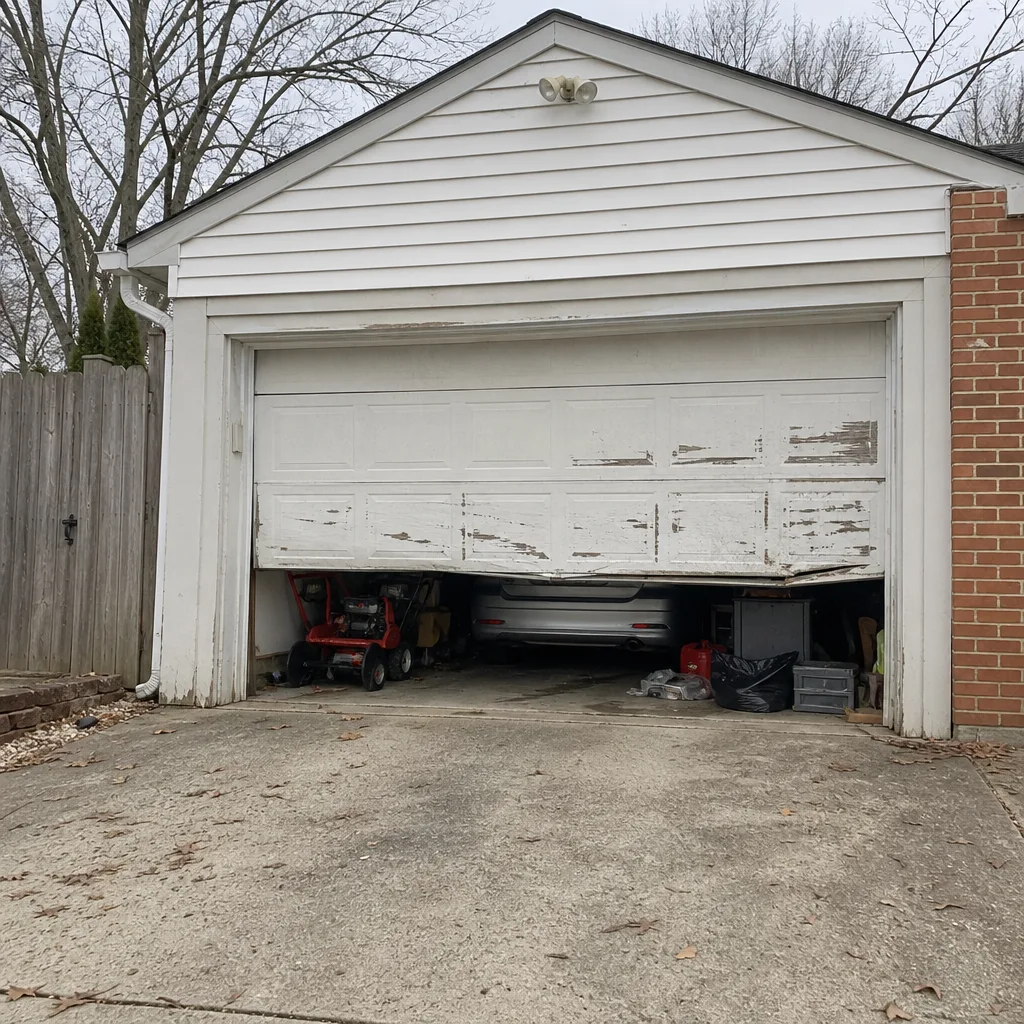
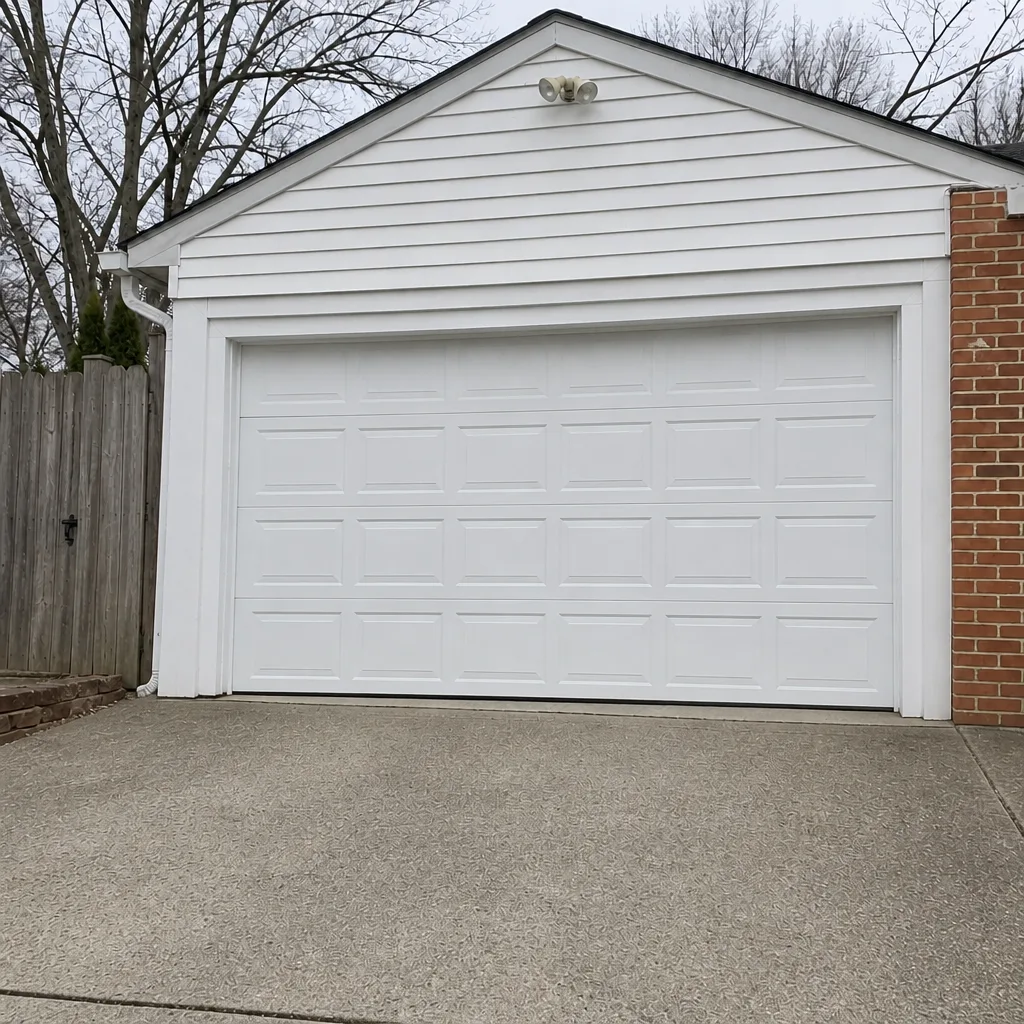
See the difference
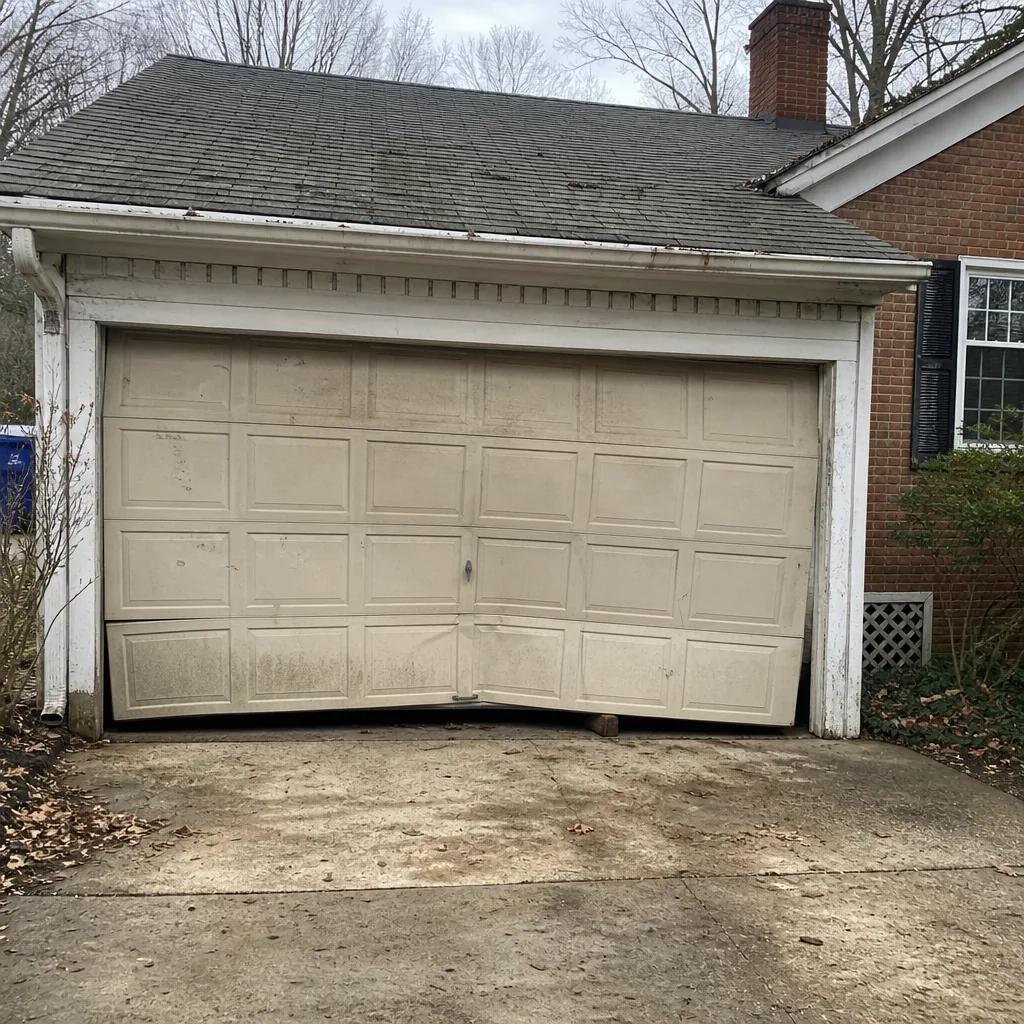 Before
 After
 Before
 After
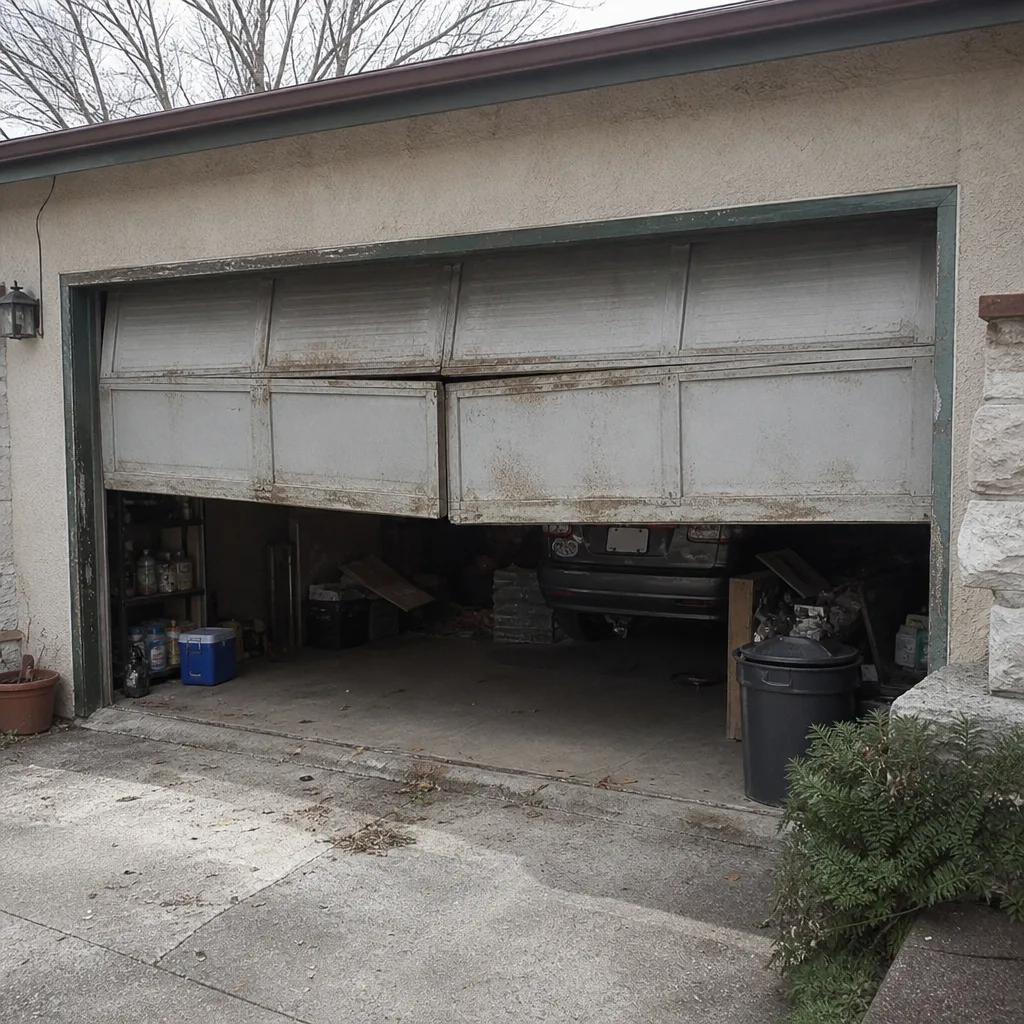 Before
 After
When to Call a Professional
Call a specialist when the question isn’t just “which door?” but “what does this job actually involve underneath?” That means: a door that hangs out of balance, a spring that has snapped with the car trapped inside, an opener that won’t respond after a power event, or a replacement where the opening has settled or been modified and the scope may have crossed into permit territory. Spring work in particular is a safety job, not a DIY one; high-tension hardware deserves trained hands with the right tools. Bethesda Garage Door Repair Pros offers free estimates in Bethesda, and our technicians have up to 9 years of experience across the major brands. Call (855) 550-7635 to set one up. We answer 24/7. Fast dispatch from 7am to 7pm, Sunday through Friday.
Frequently Asked Questions
Usually no, if it’s a direct door-for-door replacement in the existing opening with no structural change. Widening the opening, header work, or a new electrical circuit for an opener typically does require a permit from Montgomery County’s Department of Permitting Services. The final call is DPS’s, so confirm before work starts. Call (855) 550-7635 and we can tell you on-site which category your project falls into; estimates are free.
It can, if your home sits inside one of the downtown Bethesda historic overlay zones. The additional review is about appearance and streetscape, not structural code, and it runs separately from the building permit timeline. If you’re near the historic district, confirm your overlay status before ordering a door. We can help you narrow door choices; call (855) 550-7635 for a free estimate.
You apply for a permit retroactively and correct the deficiency the inspector identifies. That process is generally workable but slower, and it can require opening finished surfaces so the work can be seen. Keeping the final sign-off in your home file matters at resale. If the door itself needs work while you sort out the paperwork, our garage door repair team can assess it. Call (855) 550-7635; estimates are free.
Yes, under the IRC and Maryland’s adoption of it, the door separating an attached garage from a residence is required to be a solid wood or solid/honeycomb steel door of at least 1-3/8 inches, or a 20-minute fire-rated door, and it must self-close and self-latch. A hollow-core interior door is not compliant. Confirm the current application of the rule with Montgomery County DPS; call (855) 550-7635 if your renovation involves this door and you want a garage door specialist’s read on the overhead side.
Ask for the permit number and confirm it with Montgomery County DPS, and ask the contractor to confirm in writing that the permit covers the full scope of work, not just a portion. Tie your final payment to the completed inspection. Estimates from Bethesda Garage Door Repair Pros are free; call (855) 550-7635.
Cosmetic work like painting or minor hardware is doable, but door and opener installation and spring work are not good DIY projects. A door is a heavy, spring-loaded system, and misinstallation can fail structurally or defeat the fire-separation and safety requirements. Spring work in particular is a safety job with high-tension hardware. Call (855) 550-7635 for a free estimate; we’ll tell you honestly what’s safe to handle and what isn’t.
The Bottom Line
The permit question in Bethesda comes down to scope. A direct door-for-door replacement usually moves without a permit; structural changes, opening resizing, and new electrical work for an opener usually don’t. If your home sits inside a downtown historic overlay, expect a separate appearance review on top of the building permit, and if your renovation adds a door between the garage and living space, that’s an IRC and Maryland fire-separation item, not a decorative one. Verify permits with Montgomery County DPS before work starts, keep the sign-off with your home records, and don’t put a spring or a full install on a DIY list. When the scope is genuinely mechanical repair, we’re here to help, and when it’s not, we’ll tell you honestly.
Bethesda Garage Door Repair Pros – garage door repair, opener repair, spring repair, installation, and emergency service across Bethesda, MD. Call (855) 550-7635. We answer 24/7. Fast dispatch from 7am to 7pm, Sunday through Friday. Free estimates, and the price is quoted and agreed before any work starts.
Written by the team at Bethesda Garage Door Repair Pros.