
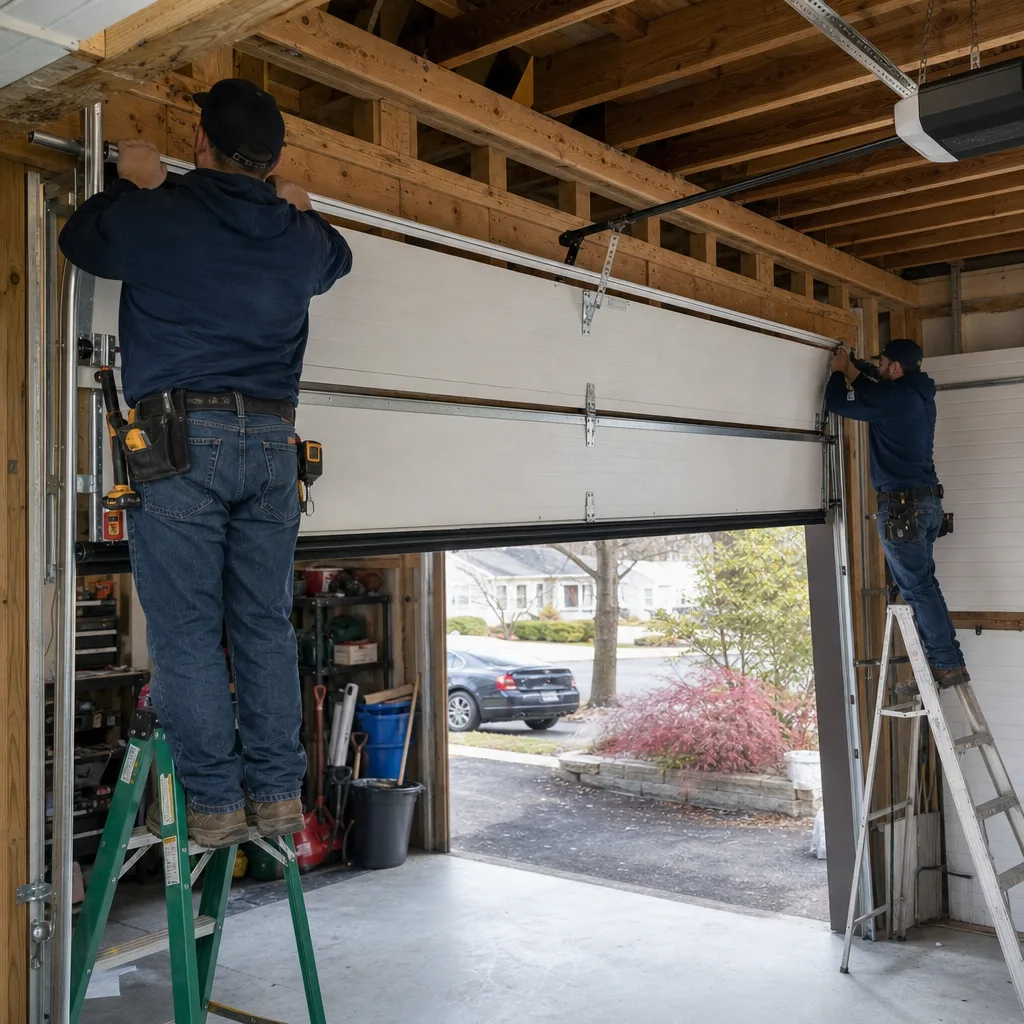
Last updated November 23, 2026
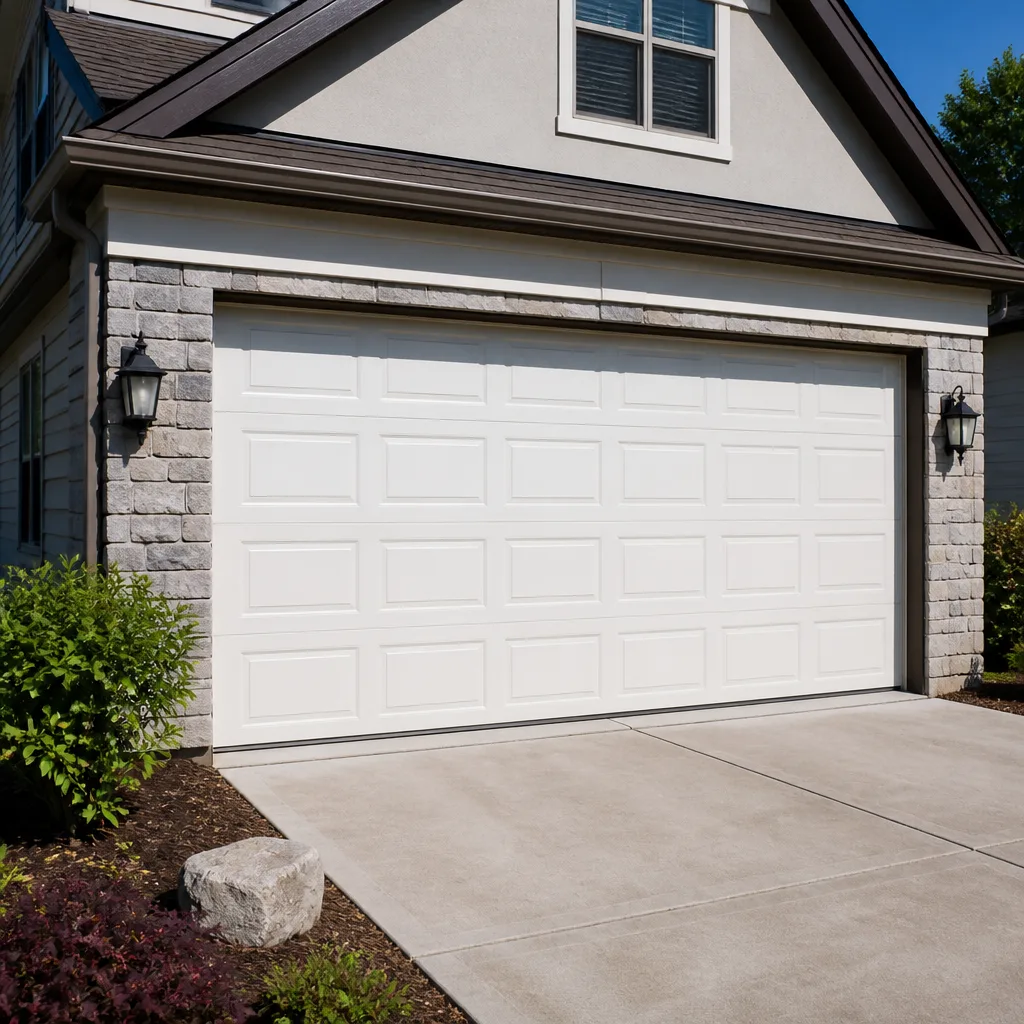 Raised-panel steel
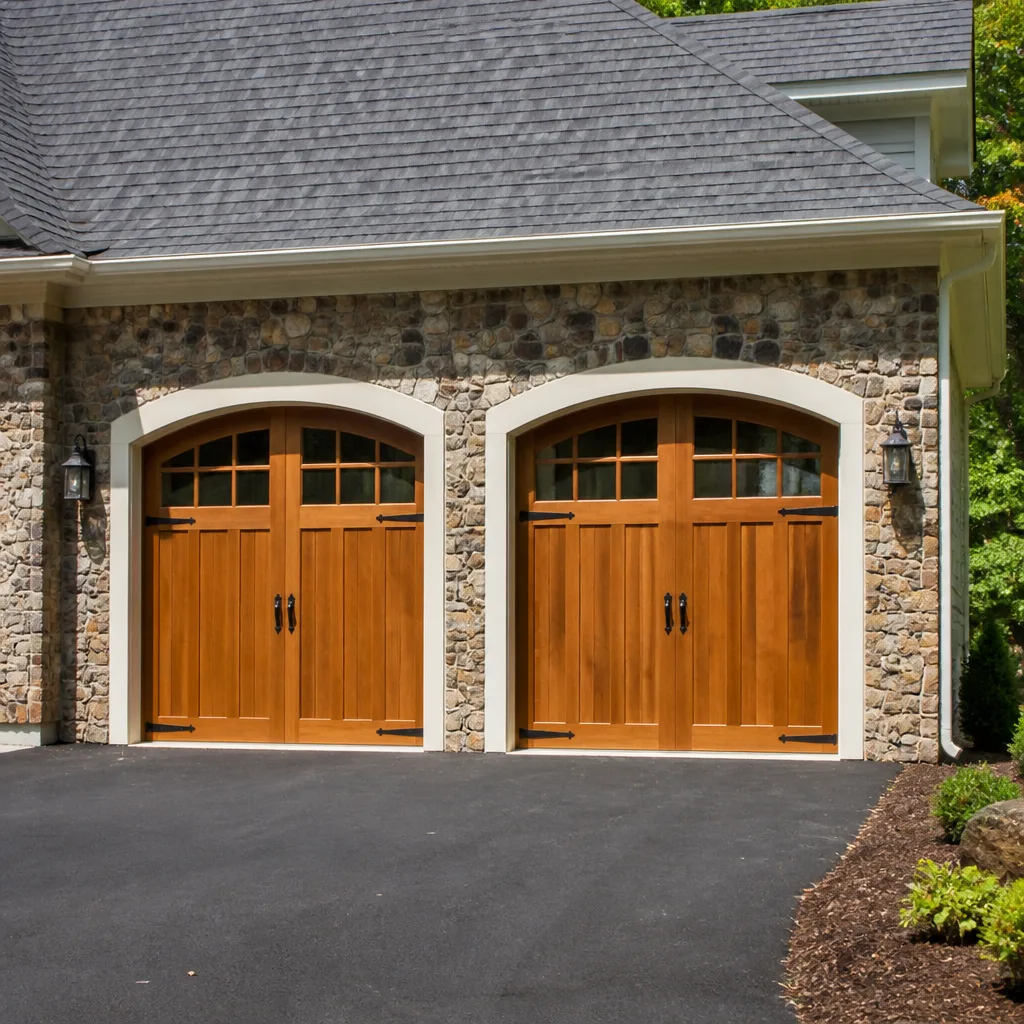 Carriage house
 Modern flush
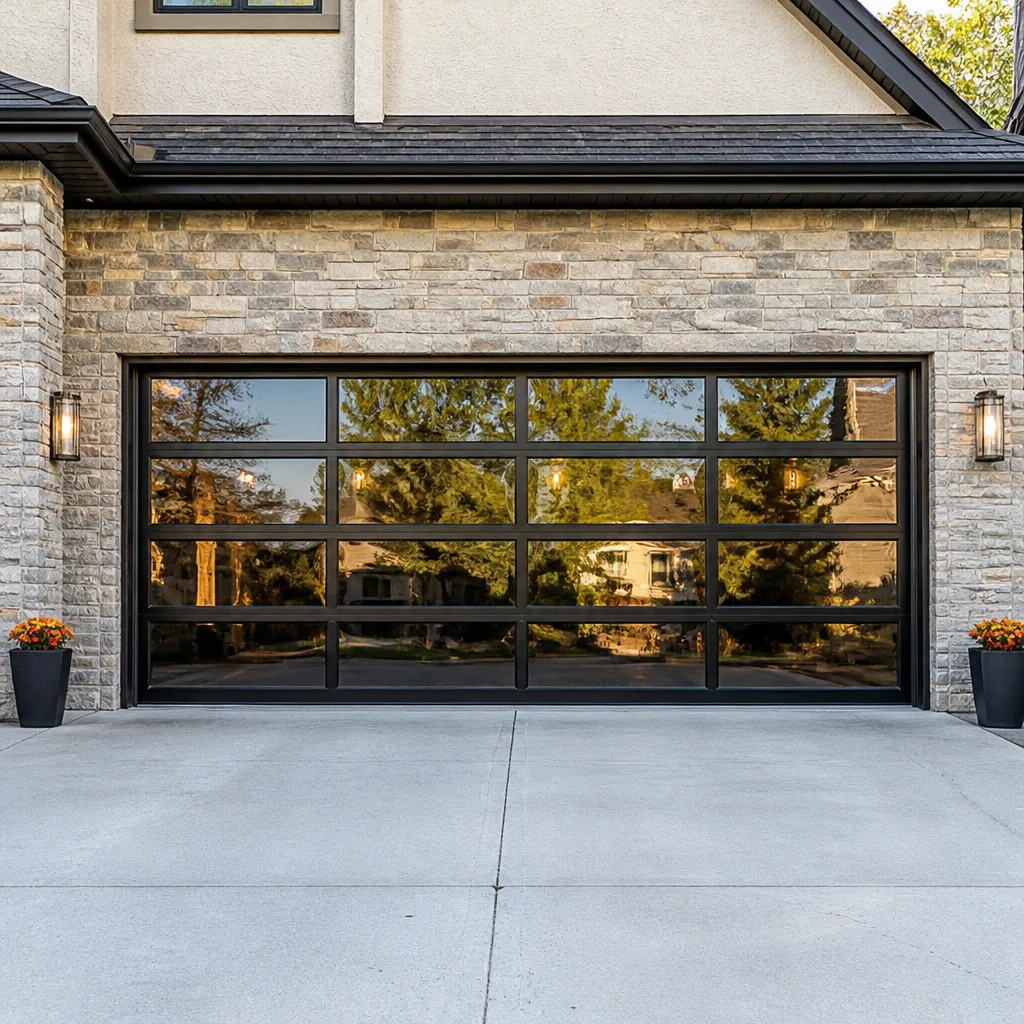 Full-view glass
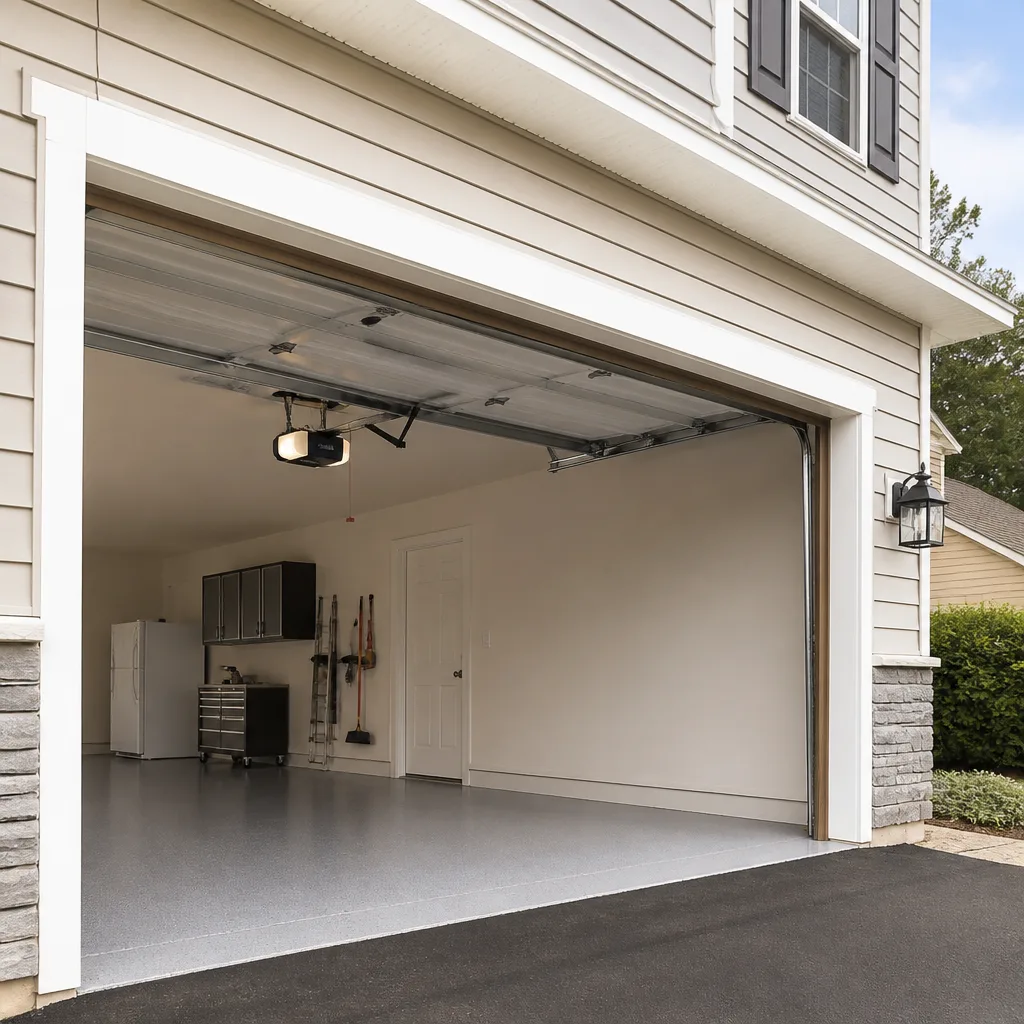 LiftMaster openers
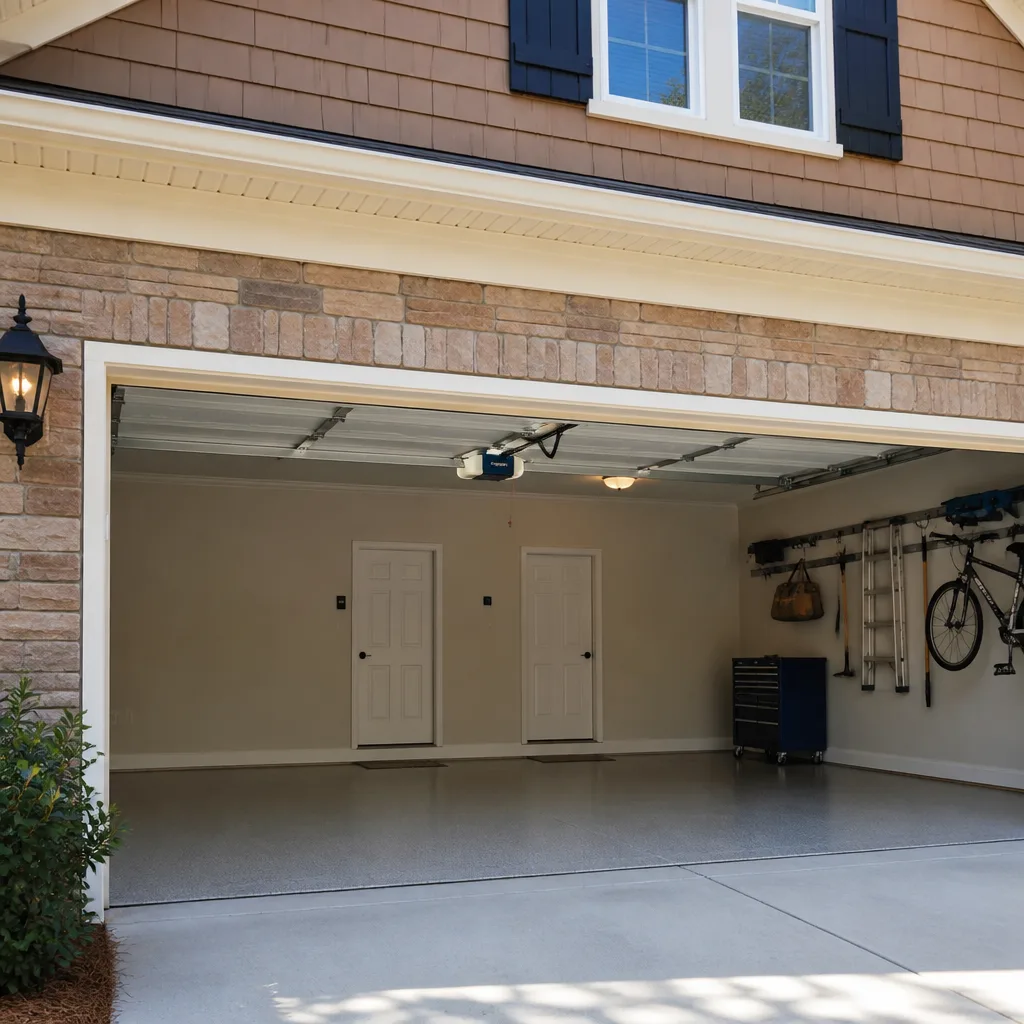 Chamberlain openers
Full 25-point door and opener safety check with every visit - springs, cables, rollers, tracks, and your LiftMaster or Chamberlain opener included
You get a price before we start. It does not change when the pro arrives.
Get your free estimateGarage Door Emergency Preparedness Guide for Bethesda Homes
The call we get most often during a Bethesda ice event isn’t a broken spring. It’s a homeowner standing in a cold garage, car trapped inside, who can’t find the emergency release cord and doesn’t know what to do with it once they do. The door itself is fine. The opener is fine. What failed was preparation.
Garage door emergencies in Bethesda follow patterns. Ice storms, morning rush-hour spring failures, Pepco outages that leave a door dead with a car behind it. This guide covers each scenario, the manual release mistakes that turn a small problem into a big one, and the information that speeds up a service call. Read it once before you need it.
Quick Answer
Every Bethesda homeowner should know three things before a garage door fails: where the manual release cord hangs, how to disengage the door safely without letting it drop, and what to have ready when you call for emergency service. A door stuck open in January needs securing for both theft and freezing temperatures. A door hanging at an angle after a cable snap should not be touched. Preparation is a ten-minute job that saves hours when something goes wrong.
Styles & brands we work with
- Raised-panel steel
- Carriage house
- Modern flush
- Full-view glass
- LiftMaster openers
- Chamberlain openers
Table of Contents
- Know Your System Before Something Fails
- How to Use the Manual Release on Three Common Openers
- What to Do When Your Door Is Stuck Open in Winter
- If a Cable Snaps and the Door Hangs at an Angle
- Power Outage Protocol: Battery Backup vs. Manual Release
- Spring Failures and Why They’re a Safety Job
- What to Have Ready Before You Call for Emergency Service
- Preventive Checks for Bethesda Homes
Know Your System Before Something Fails
Most Bethesda homes we visit have one of a handful of opener and door combinations. Knowing which one you have takes the guesswork out of an emergency and lets you describe the problem accurately when you call. Look at the opener motor housing for the brand name and model. Look at the door panels for a manufacturer label, usually near the bottom panel edge or inside the door frame.
The brands we work on most often in Bethesda include LiftMaster, Chamberlain, Genie, Clopay, Amarr, Wayne Dalton, Craftsman, and Raynor. Each has its own logic for how the release mechanism, safety sensors, and limit settings behave. A Genie chain-drive from the 1990s releases differently than a modern LiftMaster belt-drive with a battery backup. A Clopay door’s weight and panel construction determine how it behaves when disengaged. Knowing your brand means you’ll know what to expect when you pull the cord.
Write this information down and keep it in the garage. Brand, model number, door material, and roughly how old the system is. It takes five minutes and it’s the first thing a technician will ask for when you call for garage door repair.
Two physical checks are worth doing now, before anything fails. First, find the manual release cord. It hangs from the trolley on the opener rail, usually with a red or yellow handle. Make sure you can reach it without a ladder. If it’s tangled in the rail or wrapped around a spring, untangle it now. Second, test the door by hand with the opener disengaged. Lift it about a foot and let go. A balanced door stays put. A door that drops or feels unusually heavy has a spring or balance problem developing, and that’s worth a service call before it becomes an emergency.
How to Use the Manual Release on Three Common Openers
Pulling the release cord sounds simple. It is, when the door is in the right position and the spring is intact. Pull it at the wrong moment and a door under spring tension can slam down. The sequence matters more than the pull.
Before you touch the cord, do this every time:
- Close the door fully if the opener still works. A door disengaged at the top of its travel has the most distance to fall.
- Stand clear of the door’s path. Never stand directly under a disengaged door or put a hand on the bottom panel.
- Pull the cord straight down, firmly, once. Don’t yank it sideways or repeatedly.
- Lift the door slowly by hand from the bottom center. If it feels heavier than you can control with one hand, stop and call for help.
- Walk the door up and prop it open only if you have a proper brace. Otherwise leave it closed and call.
Chain-drive and belt-drive openers (LiftMaster, Chamberlain, Craftsman)
The release cord on these hangs from a trolley carriage on the rail. Pull it straight down to disengage the carriage from the chain or belt. The mistake we see most often is pulling the cord while the door is fully open, then letting the door free-fall. The spring is fully loaded in the open position and the door will come down hard. Close it first.
Screw-drive openers (Genie and some Wayne Dalton units)
Genie screw-drives often use a slightly different trolley release. The cord is still the release, but the carriage may need a firmer pull to disengage from the screw. If the cord feels stuck, don’t force it. A carriage jammed on the screw is a mechanical problem that a technician should look at, not something to muscle through.
Jackshaft and wall-mount openers
Wall-mount openers, more common with high-lift or torsion-bar doors, sometimes have the release on the side of the motor rather than a hanging cord. On some units the release is a lever. Read the label on the motor housing before pulling anything. If you can’t find a release, don’t improvise. Call for emergency service and describe the setup.
One more thing: after you’ve manually opened the door, re-engage the carriage before you run the opener again. Running the opener with the carriage disengaged won’t move the door and can damage the trolley. For garage door opener repair after a manual release gone wrong, we can diagnose what the opener is doing and set it right.
What to Do When Your Door Is Stuck Open in Winter
A door stuck open in Bethesda in January is two problems at once. Your house is exposed to the cold, and your home is unsecured. Handle the security side first, then the weather, then the repair.
Security first. If the door won’t close and you’re leaving the house, don’t rely on the opener. Disengage the door and lower it by hand as far as it will go, then brace it. A door that won’t close fully should be blocked from the inside with something solid, and a vehicle should not be parked in the garage overnight. If the door is fully open and won’t move, call for emergency service before you leave the property unattended.
Weather second. A door held partly open in freezing temperatures lets cold air into the garage and into any room above it. Hang a heavy blanket or tarp across the opening from the inside if you can do it safely, and keep the door between the garage and the house closed. Don’t run a space heater in the garage to compensate. That’s a fire risk next to a door with a motor and wiring.
Repair third. Note what the door is doing when it stops. Does it go up partway and reverse? Does it stop at the same spot every time? Does the motor run but the door doesn’t move? That pattern helps a technician diagnose whether it’s a limit switch, a sensor, a spring, or a carriage problem before they arrive. Doors from Amarr, Clopay, and Wayne Dalton all have different panel weights and balance requirements, and the symptom often points to which part of the system is at fault.
If a Cable Snaps and the Door Hangs at an Angle
A snapped cable is the one garage door failure where doing nothing is the right move. When a lift cable breaks, the door loses its counterbalance on one side and hangs unevenly. The remaining cable and the springs are under load. Moving the door, pulling the release, or trying to straighten it by hand can cause the door to fall or the spring to release suddenly.
What to do:
- Keep everyone, including pets, out of the garage.
- Don’t touch the door, the cables, or the release cord.
- Don’t run the opener. It’s already trying to move a door that can’t move evenly.
- Photograph the door from a safe distance and note which side is hanging lower.
- Call for emergency service and describe exactly what you see.
What not to do: don’t try to prop the low side up with a board, don’t cut the other cable to “even it out,” and don’t try to lift the door back onto the track. Cables are under hundreds of pounds of tension and they can whip when they release. The garage door spring repair and cable work that follows a snap is a trained-hands job from start to finish.
In our experience, the homes that come through a cable snap with the least damage are the ones where the homeowner recognized the angle and stopped. The homes that need a new door are usually the ones where someone tried to force it back onto the track.
Power Outage Protocol: Battery Backup vs. Manual Release
Pepco outages in Bethesda are usually short, but a dead opener with a car inside is a problem whether the power is out for ten minutes or ten hours. The right response depends on whether your opener has a battery backup and how heavy your door is. Those two things are not interchangeable.
If your opener has a battery backup
Most modern LiftMaster and Chamberlain openers with battery backup will run the door a limited number of cycles on battery power. That’s usually enough to get a car out. Don’t cycle the door repeatedly to “test” the backup. Use it once, get the car out, and let the battery hold its remaining charge. If the door moves slowly or the opener beeps while running, that’s normal for battery mode. Once power returns, the battery recharges on its own.
If your opener has no battery backup
You’ll use the manual release. The sequence from the previous section applies, with one addition: a door with a heavy panel, glass, or insulation is harder to lift by hand than a standard door, and a door on a torsion spring system with a broken spring won’t lift at all. Before you pull the cord, lift the door about a foot with the opener still engaged (if the opener is dead, skip this) to feel the weight. If it’s more than you can control, don’t disengage it. Call for help.
Why the two aren’t interchangeable: a battery backup runs the opener and lets the door’s own spring system do the lifting. A manual release takes the opener out of the picture and puts the full weight of the door in your hands. On a light single-car door that’s manageable. On a double-car insulated Clopay or Amarr door, it can be 150 to 250 pounds or more depending on construction. Know which door you have before you decide which method to use.
If the opener won’t respond after power is restored, that’s a different failure and it’s worth a call to Bethesda Garage Door Repair Pros. We work on the opener brands most Bethesda homes have, so diagnosis starts with the brand, not with guesswork.
Spring Failures and Why They’re a Safety Job
Springs are the most common garage door failure and the most dangerous one to touch. A torsion spring holds the full weight of the door in tension. When it breaks, it releases that energy at once. When it’s intact and under load, it will take a finger or worse if it lets go while someone is working on it. This is a safety job, not a DIY job.
What a broken spring looks like: a gap in the coil on a torsion spring above the door, or a stretched and separated extension spring alongside the track. What it sounds like: a loud bang from the garage, often followed by the door not opening or opening a few inches and stopping. If you hear that sound and the door won’t lift, assume a spring and don’t try to force it.
Spring failures don’t follow a schedule, but they do follow patterns. In Bethesda, cold snaps in January and February are when we see the most torsion spring failures. The metal contracts and a spring that was near the end of its life lets go. They also fail during the morning rush, because that’s when the door gets used most. If your door is opening slowly, feels heavy, or the opener strains to lift it, that’s a sign the springs are losing tension and worth a service call before they fail.
What not to do: don’t try to lift the door with the opener after a spring breaks. The opener motor will run but the door won’t move, and it can burn out the motor or strip the gear. Don’t replace a spring yourself. The winding bars, the tension calculations, and the risk aren’t worth saving the cost of a service call.
If you’re mid-renovation or buying a Bethesda home with an older door, have the springs inspected before you use the door as your daily entrance. It’s a fifteen-minute check that prevents a bad morning.
What to Have Ready Before You Call for Emergency Service
The information you have ready when you call changes how fast the problem gets fixed. A technician who knows your brand, your door type, and the exact symptom before arriving can bring the right parts and tools. Here’s what to gather.
- Opener brand and model. Check the motor housing label. LiftMaster, Chamberlain, Genie, Craftsman, and Raynor are the most common in Bethesda.
- Door brand and material. Clopay, Amarr, and Wayne Dalton labels are usually on the bottom panel or inside the frame. Steel, wood, and aluminum doors have different weights.
- What the door is doing. Won’t open at all? Opens a few inches and stops? Goes up but won’t come down? Opens unevenly? The symptom narrows the likely cause.
- What you’ve already tried. Did you pull the release? Did you check the sensors? Did you reset the opener? Tell us what you’ve done so we don’t repeat it.
- Access notes. Is the garage door accessible from the driveway? Is there a car parked directly in front of it? Is there a narrow alley approach?
- Your address and cross street. For Bethesda homes, this helps confirm which part of the area you’re in and how best to route the call.
If the door is hanging at an angle, have a photo ready to send. If the opener is beeping or showing a fault code, note the code. If the door is stuck open and you’re worried about security, say so first. That changes the priority of the visit.
When you call, we answer 24/7. Fast dispatch from 7am to 7pm, Sunday through Friday. A call outside dispatch hours is booked into the next opening, Sunday through Friday, 7am to 7pm. The estimate is free.
Preventive Checks for Bethesda Homes
Ten minutes twice a year catches most of what turns into an emergency. Do these checks in the fall, before the cold, and again in spring.
- Test the balance. Disengage the opener, lift the door halfway, and let go. It should hold. If it drops or feels heavy, the springs are losing tension.
- Look at the springs. Any visible gap in a torsion spring or a stretched extension spring means a call, not a wait.
- Check the cables. Look for fraying, kinks, or slack on either side of the door. Loose cables are a warning sign.
- Test the safety sensors. With the door open, pass your hand through the sensor beam near the floor. The door should reverse. If it doesn’t, the sensors are misaligned or the opener isn’t responding, and that’s worth a repair call.
- Listen. Grinding, popping, or a strain in the opener motor is a sign something is off. Quiet operation is the goal.
- Lubricate moving parts. A garage door lubricant on the hinges, rollers, and springs (when the manufacturer calls for it) keeps things quiet and reduces wear. Don’t spray anything on the tracks; that attracts dirt and causes slipping.
If any check fails, call for a service visit before it becomes a failure. A repair visit is faster than an emergency call and easier on the schedule.
Common Mistakes to Avoid
- Pulling the emergency cord at the top of travel. The spring is fully loaded and the door will free-fall. Close the door before you disengage it. We see this most often during Pepco outages when someone is in a hurry.
- Running the opener after a spring break. The motor runs, the door doesn’t, and the gear or motor can burn out. Stop and call.
- Lifting a door by the bottom panel to “help” the opener. If the door is stuck, lifting it by hand can derail it or snap a cable. The opener is designed to lift the door alone; if it can’t, something’s wrong.
- Leaving a stuck-open door unsecured overnight in freezing weather. A door left open in a Bethesda January means frozen pipes in the garage wall and an unlocked house. Lower or brace the door before dark.
- Using the manual release as a daily shortcut. Disengaging the door repeatedly wears the trolley release and can leave the carriage misaligned. It’s an emergency tool, not a convenience.
- Assuming a battery backup replaces a manual release. A battery backup runs the opener. A manual release takes the opener out. They cover different failures, and one door’s weight may rule out the manual option entirely.
- Forcing a door that’s hanging at an angle back onto the track. This is the most dangerous thing you can do. A cable under tension can whip or the door can fall. Call instead.
See the difference
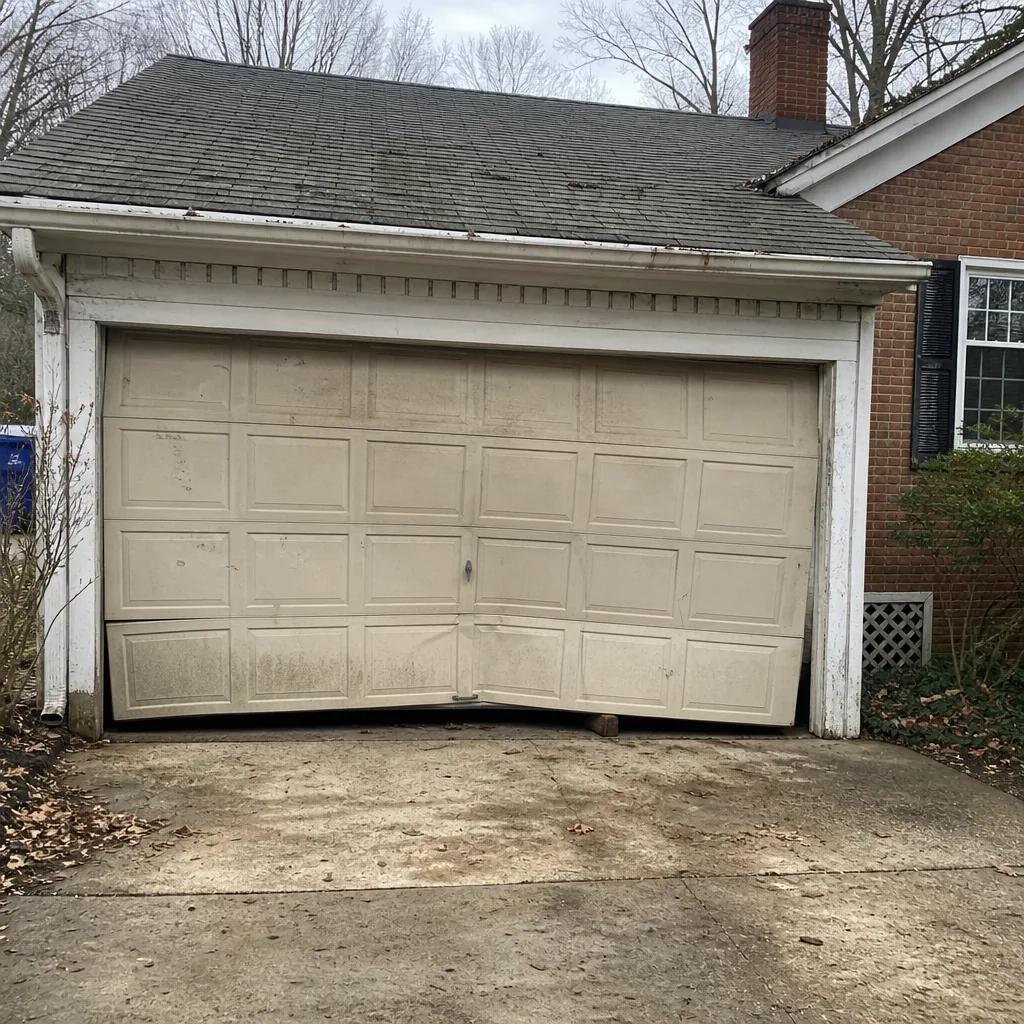 Before
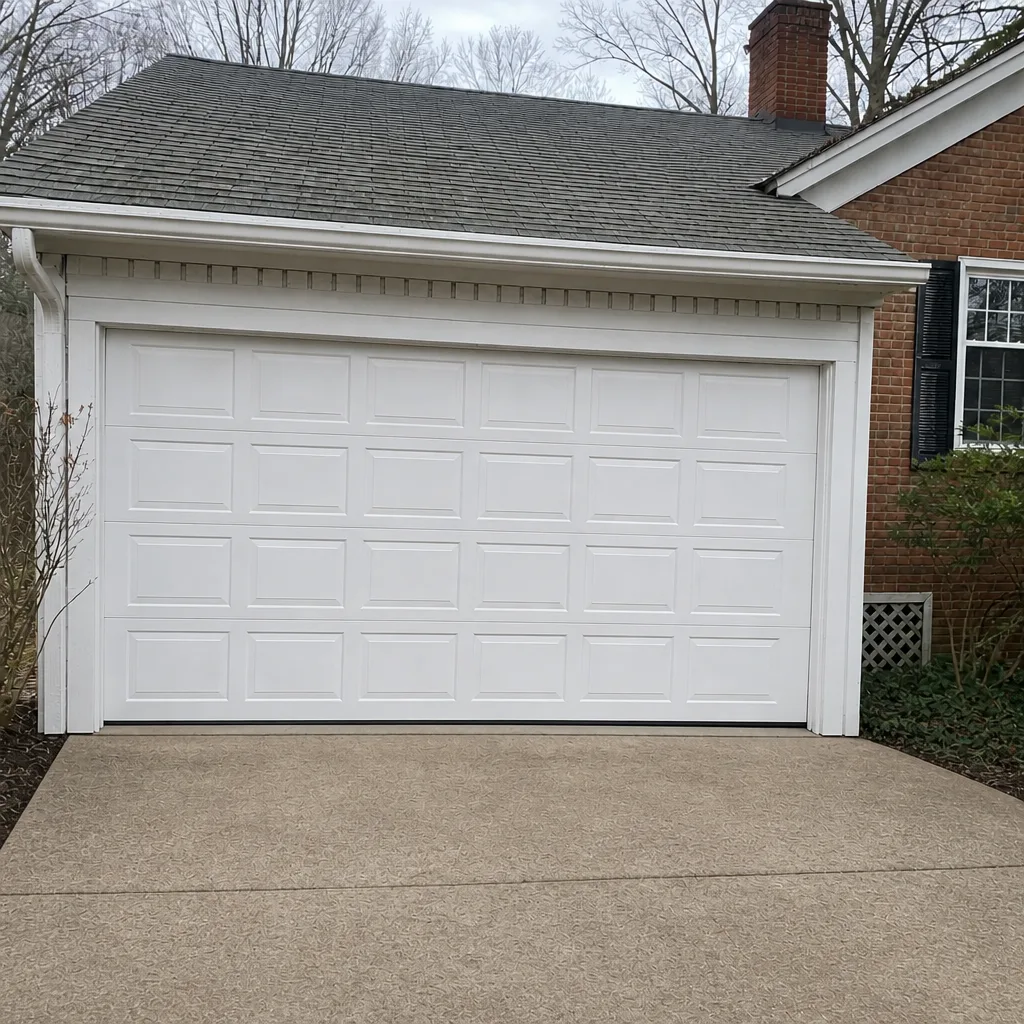 After
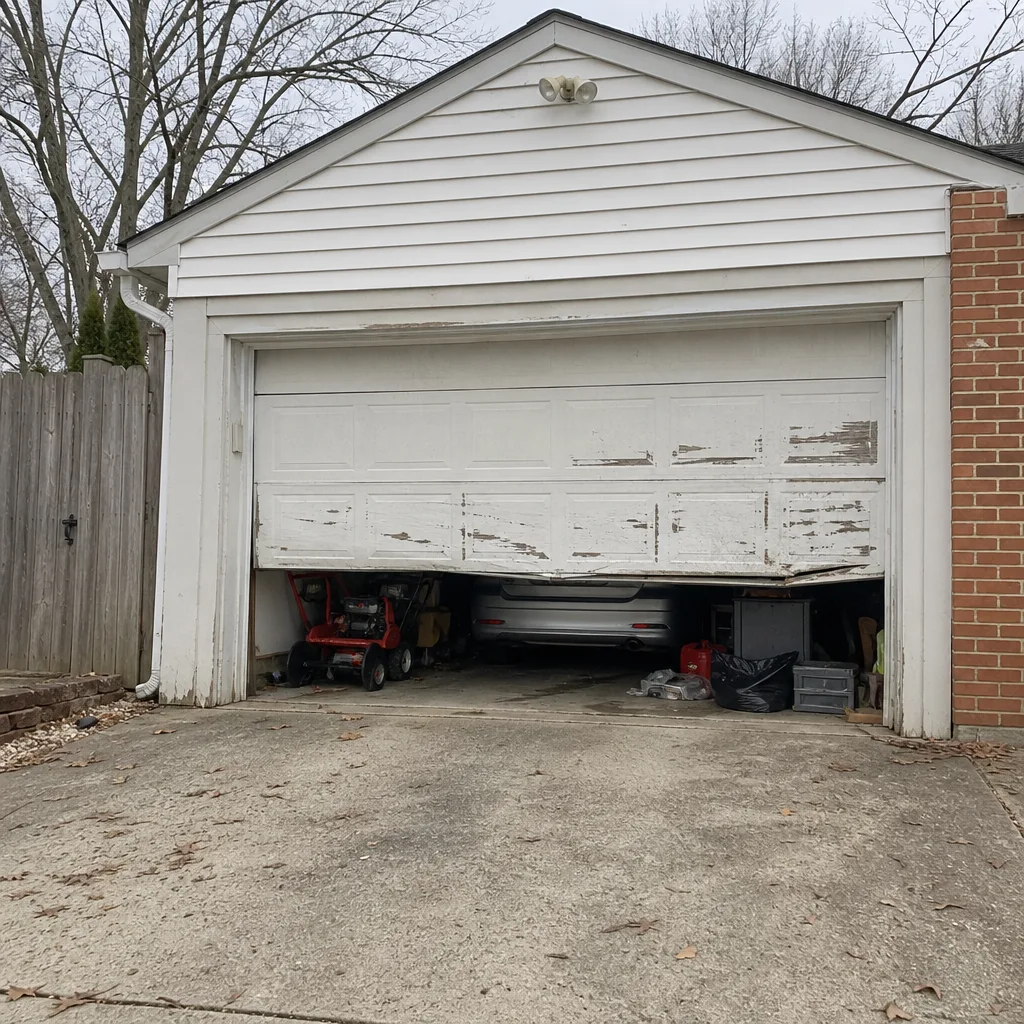 Before
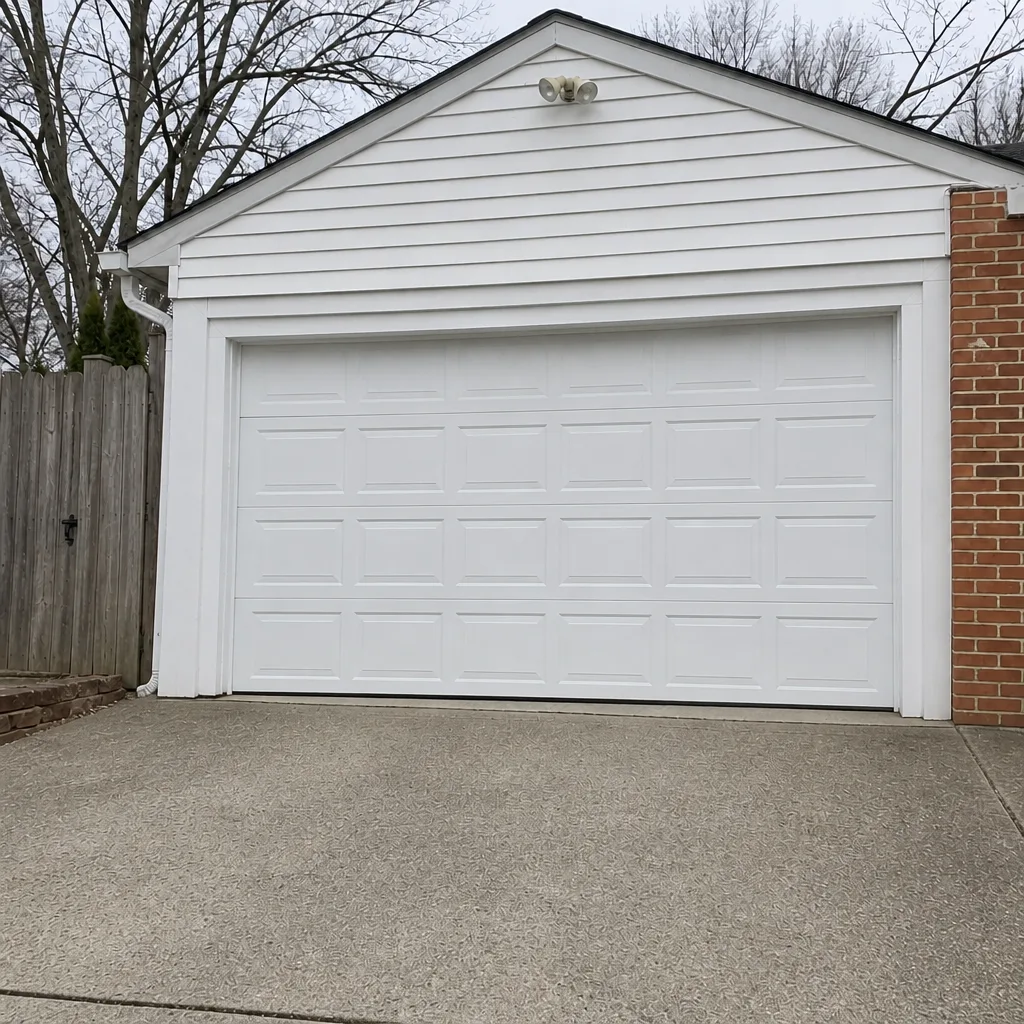 After
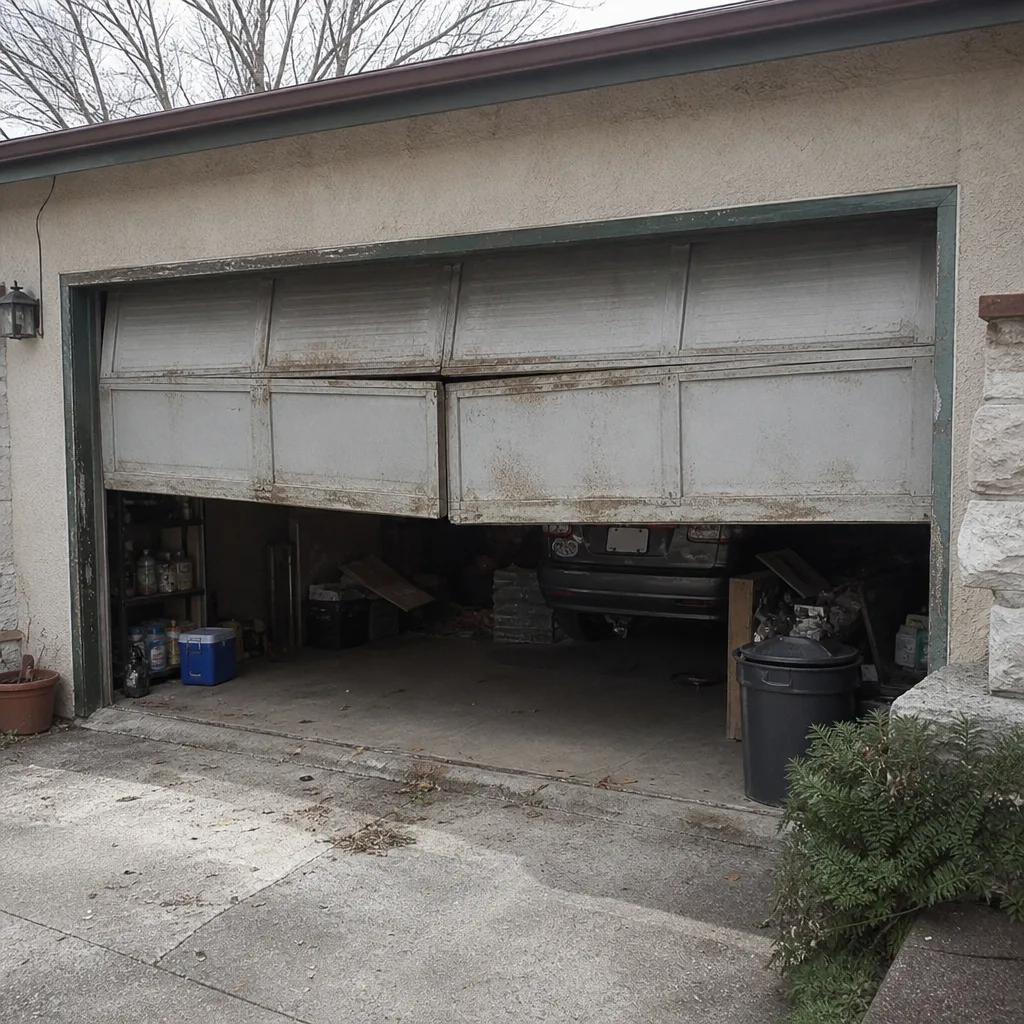 Before
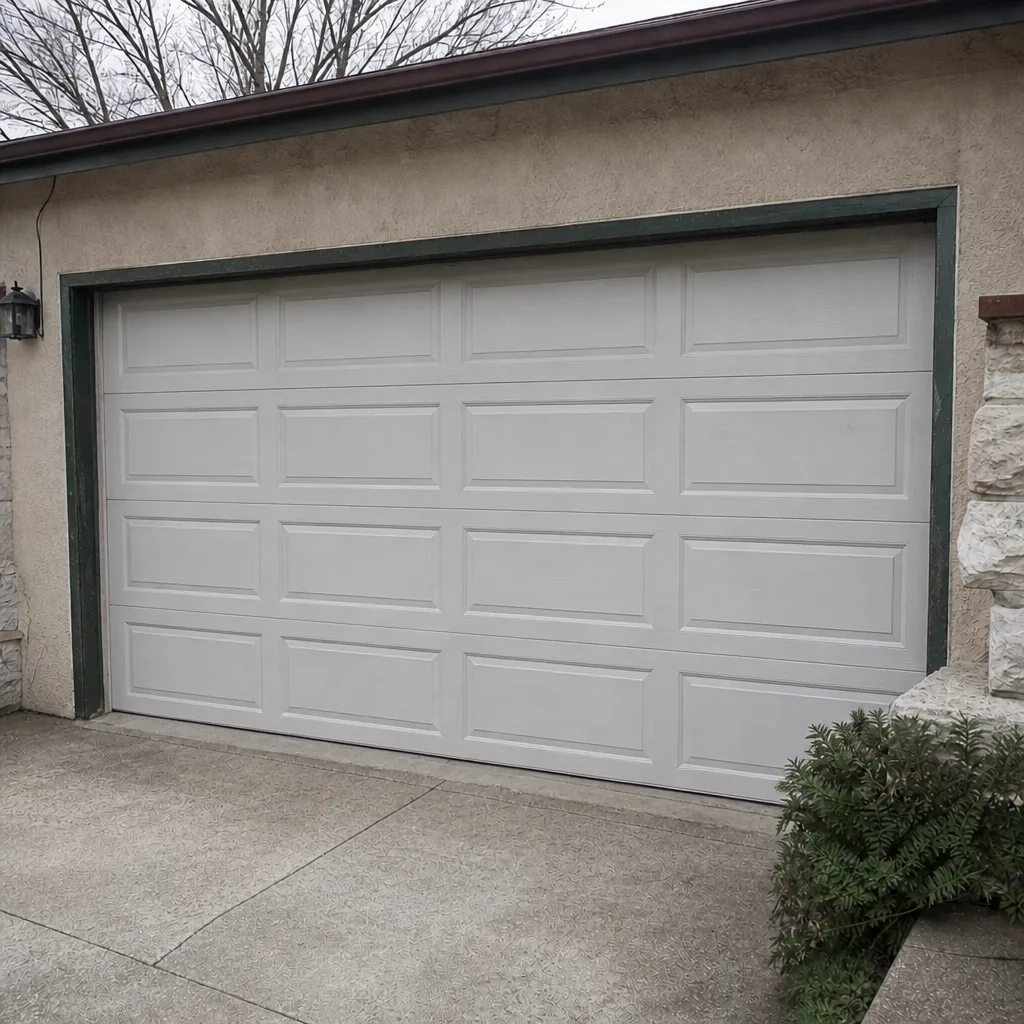 After
When to Call a Professional
Some things wait for a scheduled visit. These don’t: a snapped cable or a door hanging at an angle, a broken spring, an opener that won’t respond after power is restored, a door that won’t close and leaves your home open, or a car trapped inside a garage with no working release. Those are emergency calls, and they’re what Bethesda garage door repair service is for.
Balance problems, noisy operation, slow opening, and safety sensors that need realignment are scheduled repairs. So is a spring that’s aging but intact. Our technicians have up to 9 years of experience, and we work on the brands Bethesda homes actually have, so the diagnosis starts with your equipment, not with a guess.
Bethesda Garage Door Repair Pros offers free estimates in Bethesda. Call (855) 550-7635. We answer 24/7. Fast dispatch from 7am to 7pm, Sunday through Friday. The estimate is free, and the price is set per job before any work starts.
Frequently Asked Questions
Check whether the opener is getting power, then look at the door itself. If the door won’t lift by hand when disengaged, or if you see a gap in the spring, stop and call for service. If the door lifts fine but the opener won’t run, the problem is in the opener or its power supply. Call (855) 550-7635 for an exact quote.
If your opener has a battery backup, use it once to open the door and get the car out. Don’t cycle it repeatedly. If there’s no battery backup, use the manual release: close the door first if the opener works, then pull the release cord straight down and lift the door by hand. If the door is too heavy to control, call for help instead of forcing it.
Cold contracts the metal, and a spring that was near the end of its life can fail when temperatures drop. January and February cold snaps are when we see the most torsion spring failures. A spring that’s opening slowly or a door that feels heavy is a warning sign worth a service call before it breaks.
It usually means a cable has snapped or a spring has failed on one side. The door has lost its balance and the remaining cable and spring are under load. Don’t pull the release, don’t run the opener, and don’t try to straighten the door. Call for emergency service and describe what you see.
No. Torsion springs are under hundreds of pounds of tension and releasing one incorrectly can cause serious injury. Spring replacement requires winding bars, tension calculations, and a direct knowledge of the door’s weight and spring rating. It’s a safety job for a trained technician.
Your opener brand and model, your door brand and material, what the door is doing when it fails, what you’ve already tried, and any access notes for the garage. A photo of a door that’s hanging at an angle helps. Call (855) 550-7635, and we’ll walk you through what to expect.
The Bottom Line
Most garage door emergencies in Bethesda are recoverable in minutes if you’re prepared and hours if you’re not. The preparation is simple: find your release cord, know your brand, check your balance twice a year, and understand the scenarios that end with a door stuck open in the cold. Knowing when not to touch the door is as important as knowing how to release it. Spring repair, cable work, and anything involving the door’s weight are trained-hands jobs. Everything else you can handle from preparing. When it’s beyond that, call.
Bethesda Garage Door Repair Pros handles everything from a snapped spring to a full new installation. We work on LiftMaster, Chamberlain, Genie, Clopay, Amarr, Wayne Dalton, Craftsman, and Raynor, so your system gets diagnosed on its own terms. Call (855) 550-7635 for a free estimate. We answer 24/7. Fast dispatch from 7am to 7pm, Sunday through Friday. The estimate is free and the price is set per job before any work starts.
Written by the team at Bethesda Garage Door Repair Pros.