
Last updated November 23, 2026
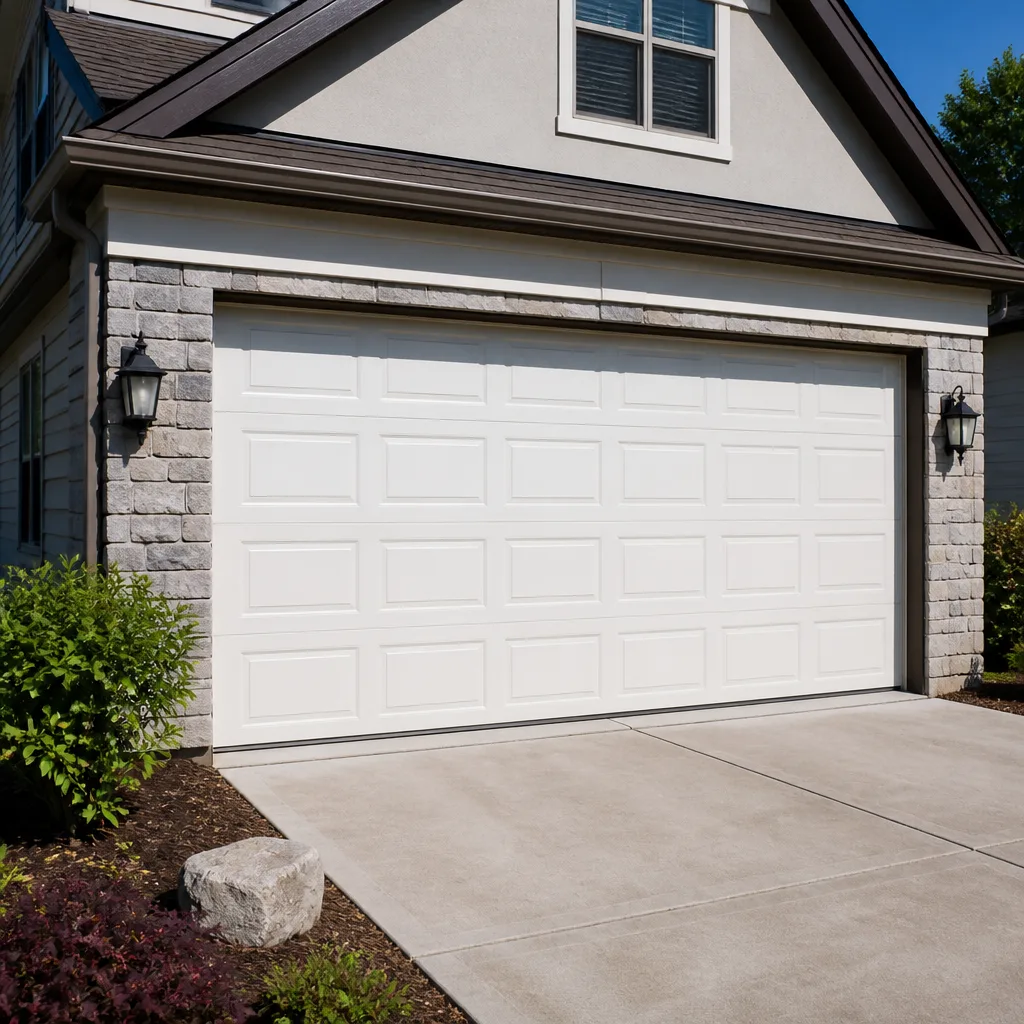 Raised-panel steel
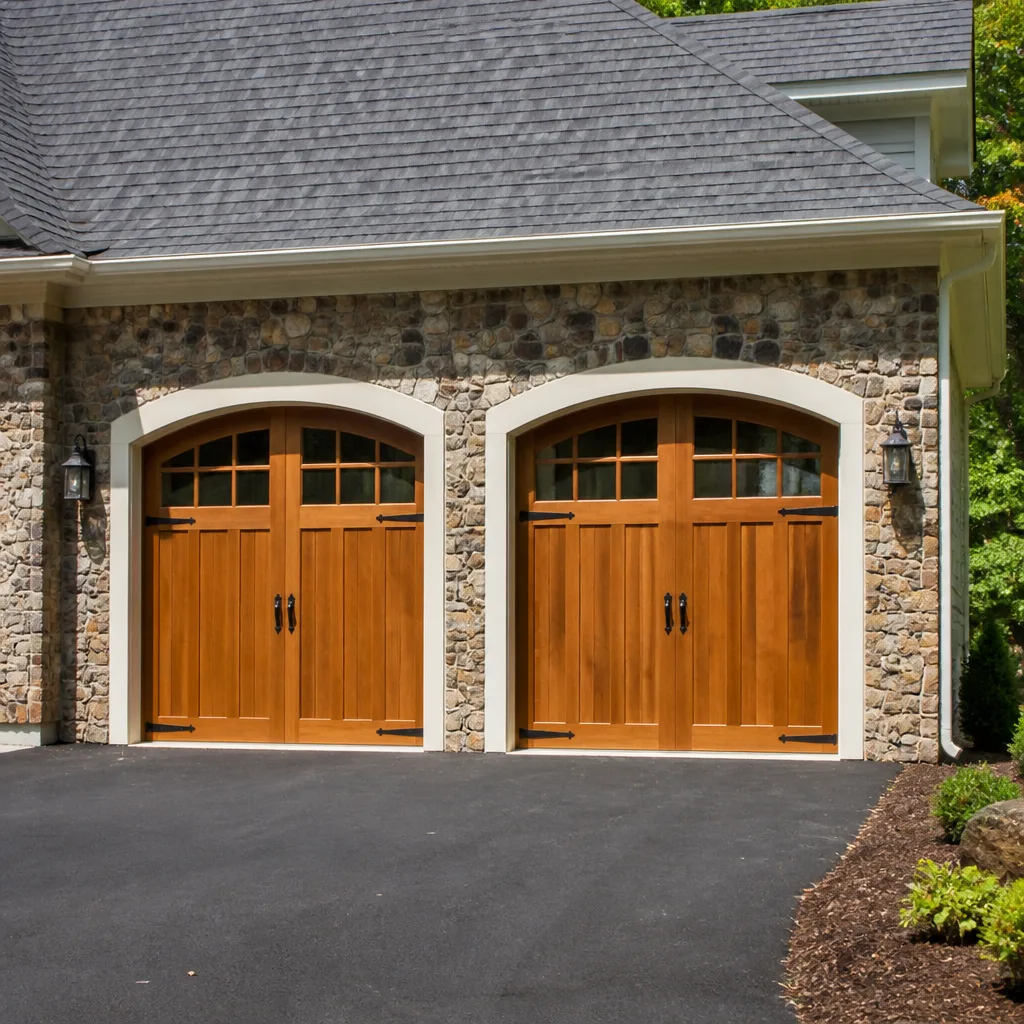 Carriage house
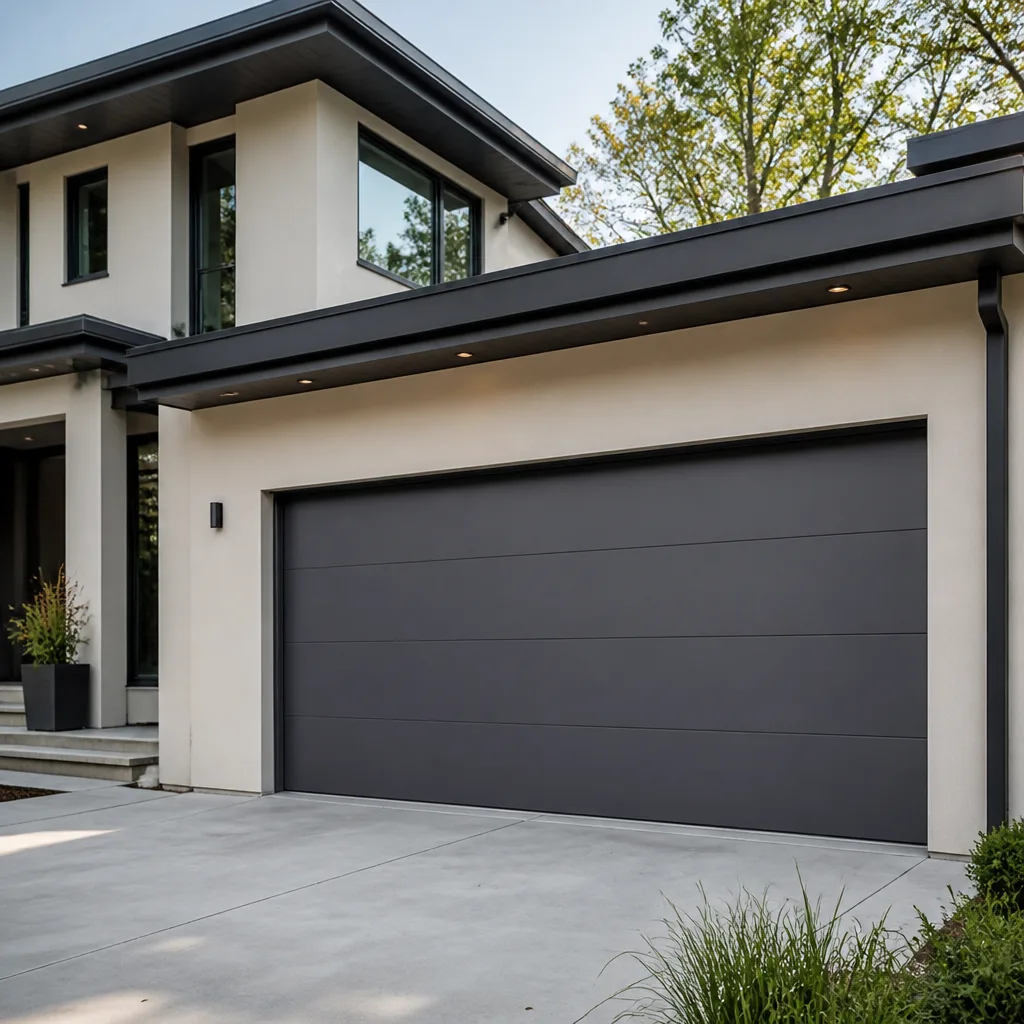 Modern flush
 Full-view glass
 LiftMaster openers
 Chamberlain openers
Full 25-point door and opener safety check with every visit - springs, cables, rollers, tracks, and your LiftMaster or Chamberlain opener included
You get a price before we start. It does not change when the pro arrives.
Get your free estimateThe Complete Guide to Garage Doors in Bethesda
Most Bethesda homeowners replace a garage door roughly once in twenty years. That means every sizing, insulation, and material decision gets made exactly once, usually under pressure and often without enough information to make it well. A national buying guide will tell you spring colors and opener grades, then stop right where the local questions begin: what a 1950s colonial rough opening actually measures, why the same nominal door behaves differently on a Rock Creek property than on a streetside lot, and what the architectural committee on your street will and won’t approve. This guide covers the system as it exists in Bethesda, from brand-fluent repair through a full new installation, so the one decision you make every two decades is one you can make with confidence.
Quick Answer
A garage door in Bethesda needs to be chosen and serviced as a structural and aesthetic system, not a generic commodity: locally, the job turns on non-standard rough openings in older homes, insulation requirements that shift between attached and detached garages and between colder and sheltered lots, and HOA review in communities like Burning Tree and Bradley Hills. For repair and spring work, brand-specific diagnosis matters because the hardware differs from brand to brand. For replacement, the written estimate after a proper measure sets the price, and lead times vary widely between models stocked locally and those ordered from the factory.
Styles & brands we work with
- Raised-panel steel
- Carriage house
- Modern flush
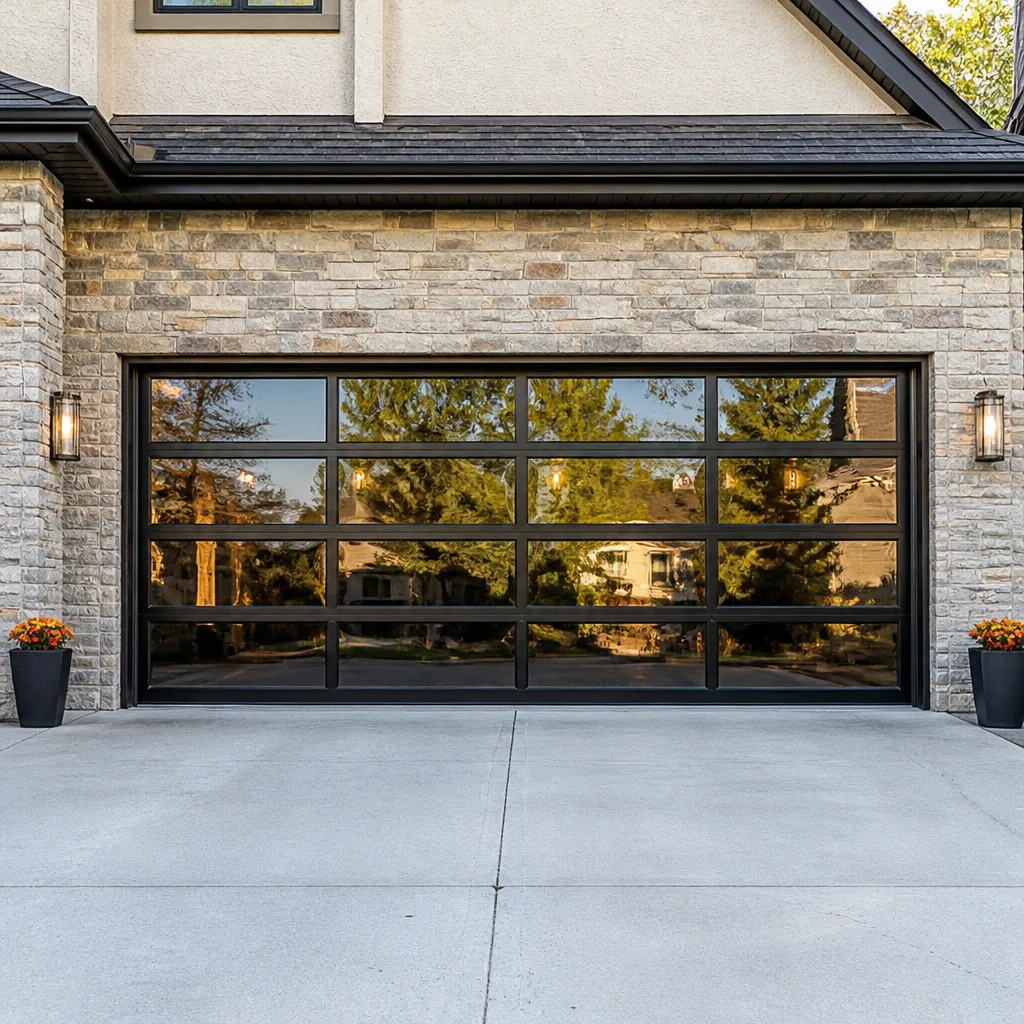
- Full-view glass
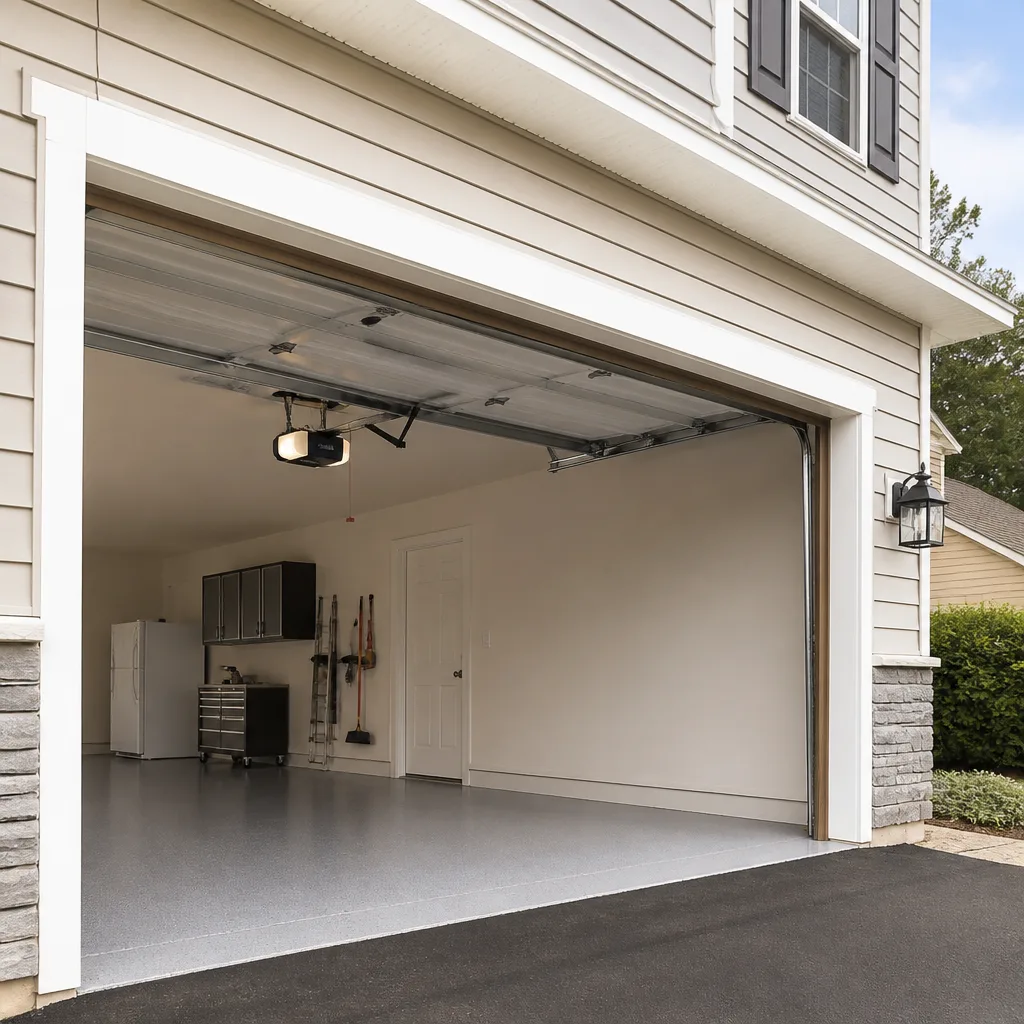
- LiftMaster openers
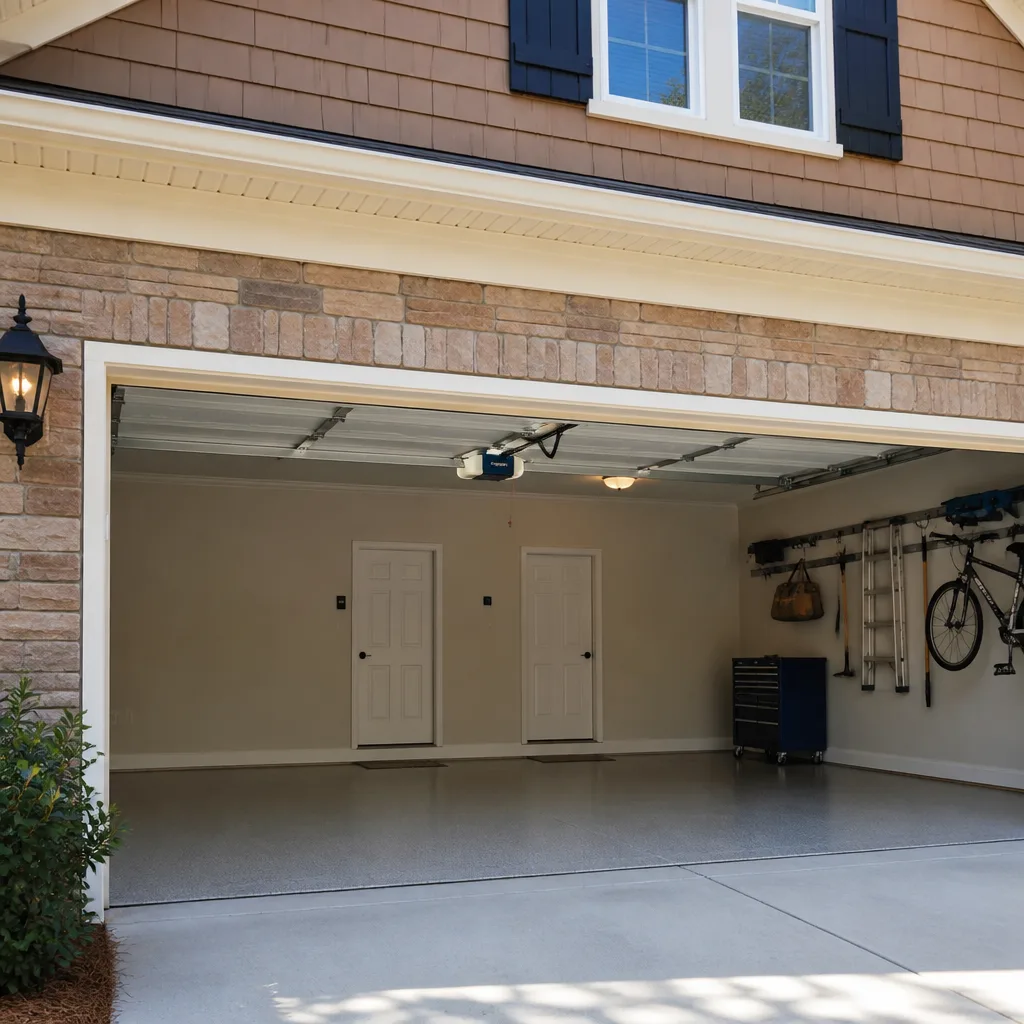
- Chamberlain openers
Table of Contents
- How Bethesda’s Housing Stock Shapes Your Garage Door
- Rough Openings and Older Foundations: Why Sizing Isn’t Standard
- Insulation and R-Value in Bethesda’s Microclimates
- HOA and Architectural Review: Burning Tree, Bradley Hills, and Beyond
- How to Read a Garage Door Spec Sheet
- Brand Fluency and the Local vs. Factory Lead-Time Question
- Repair or Replace? A Decision Framework
- When the Door Fails: Emergency Service in Bethesda
How Bethesda’s Housing Stock Shapes Your Garage Door
Bethesda is not one housing market. It’s a tight layering of eras, and each layer left behind garage openings and structural conditions that a single national spec sheet can’t account for. Walk any block in the close-in neighborhoods and you’ll pass mid-century colonials with modest single-car garages, 1980s brick Tudors with wider two-car openings and steeper rooflines, and modern infill construction that has rebuilt lots around larger footprints and taller clearances. Each era answers the same question differently: how does the door attach, how much weight can the framing carry, and how much depth is there above the opening for the torsion assembly?
The mid-century colonials are often the trickiest. They were built when garage doors were lighter and narrower, and the original framing may have settled around a rough opening that has gone slightly out of square. A standard-order door dropped into that opening can bind, rub, or leave uneven gaps at the sides. The 1980s brick Tudors tend to be more forgiving because the openings are larger and the headers more substantial, but their brick surrounds leave less tolerance for face-mount hardware and trim, so the way the door meets the masonry needs planning, not guesswork. Modern infill homes are usually the cleanest to spec, but they sometimes carry builder-grade openers that weren’t matched to the weight of the door.
That’s the practical takeaway. In Bethesda, the door has to fit the house, not the other way around. When you’re comparing styles and materials, the first job is understanding the opening you actually have, not the one a catalog assumes.
Rough Openings and Older Foundations: Why Sizing Isn’t Standard
A garage door is ordered to a rough opening measurement, not to the size it looks like from the street. In newer construction, that measurement is usually clean and square. In Bethesda’s older neighborhoods, it rarely is, and the difference between a straightforward install and a complicated one usually comes down to the foundation and framing underneath the opening.
Here’s how a professional sizing visit usually goes, step by step:
- Measure the opening at several points. Width and height get checked at the top, middle, and bottom because older openings are rarely perfectly uniform. The largest measurement drives the door size.
- Check for square. The diagonals of the opening are compared. When they differ, the framing has shifted, and the door and its track need to be planned around that rather than forced.
- Inspect the header and framing. The spring system transfers a great deal of force into the wood above the opening. Settled or undersized framing changes which hardware and door weight make sense.
- Confirm side and headroom clearance. Torsion springs, tracks, and openers need specific clearances. Older garages built tight to the ceiling can require a low-headroom setup.
- Check the floor and the threshold. An uneven or sloping slab leaves gaps under the door unless the bottom seal is planned for it.
None of this is exotic, but all of it takes time and a trained eye. It’s also why two doors that look identical in a brochure can install completely differently in two Bethesda homes a few streets apart. A proper measure is the point where the estimate stops being a guess.
Insulation and R-Value in Bethesda’s Microclimates
Insulation is the decision most Bethesda homeowners under-think, and it’s the one that changes how the garage feels every day. The core question is simple: is the garage attached to the living space, and does anything important sit above or beside it? A door on an attached garage that shares a wall with the kitchen or that has a bedroom above it should be insulated. A door on a detached garage at the back of the lot, where nothing living is adjacent, has a lower bar, and spending for maximum insulation there buys comfort you’ll rarely notice.
Bethesda also has its own microclimates worth knowing. Properties near Rock Creek sit in lower, shadier, damper ground, where the garage stays colder in winter and holds moisture longer. Doors on those lots benefit from better insulation and a solid bottom seal, and the hardware needs to tolerate damp conditions. Streetside detached garages on more exposed, sunny lots can be colder at night and hotter in summer, and they’re more exposed to wind-driven rain. Neither condition is unusual. The point is that the right insulation level depends on where the garage sits, not just on what the catalog offers.
When you read a door’s insulation rating, treat it as one input among several. Thicker sections and a well-sealed perimeter do real work, and the seal at the sides, top, and bottom matters as much as the panel itself. Ask how the door is finished on the inside, whether it carries a full perimeter weather seal, and how the bottom threshold meets your floor.
HOA and Architectural Review: Burning Tree, Bradley Hills, and Beyond
Many Bethesda communities carry architectural review requirements, and a garage door replacement usually counts as an exterior change that needs approval before you order. Communities like Burning Tree and Bradley Hills are known for this kind of review, and the rules tend to focus on a few things: material, color, window style, and whether the new door matches the character of the house and the street.
What the review process usually cares about:
- Material and profile. Raised-panel steel, carriage-house style, and wood-look options all read differently against a home’s architecture. Committees generally want the door to suit the house, not to stand out from it.
- Color. A specific palette is common, and a shade that looks neutral in a showroom can clash against brick or siding on the actual house.
- Windows and hardware. Window inserts and decorative hardware change the visual weight of a door substantially, and reviewers notice.
- Documentation. Many committees ask for the door’s specifications, a rendering or photo of the proposed door, and sometimes a manufacturer’s color sample.
The practical move is to check your community’s guidelines before you fall in love with a style. Some reviews take time, and lead times on the door run in parallel. Getting the approval and the order moving together avoids the situation where the door is chosen, the opening is measured, and then the review stalls the whole job. If you’re unsure who reviews exterior changes on your street, your community association is the place to start.
How to Read a Garage Door Spec Sheet
A spec sheet is where a garage door stops being a picture and becomes a piece of equipment. Four numbers matter most for a Bethesda home: weight, section count, insulation rating, and wind load rating. Reading them well is the difference between a door that performs for two decades and one that fights you.
- Weight. The door’s total weight determines which spring system and opener are appropriate. A heavier door with undersized springs is a door that strains every time it moves. Weight also matters for older framing that may not be built for the loads of a modern insulated door.
- Section count. A door is made of horizontal sections, and the count affects both looks and mechanics. More sections can mean a smoother curve into the tracks and a finer appearance; fewer sections mean fewer joints and, sometimes, a sturdier feel. Section height has to match your opening and headroom.
- Insulation rating. This is how well the door resists heat flow. Higher ratings suit attached garages and colder microclimates; a lower rating is fine on a detached garage where comfort isn’t the goal. Treat the rating as one part of the picture alongside seals and construction.
- Wind load rating. This describes the pressure the door is rated to withstand and the reinforcement needed to hold up under it. For a Bethesda home, it’s worth knowing your door’s rating and confirming the hardware matches, especially on an exposed streetside lot.
Ask for the spec sheet for any door you’re considering, and ask how each number relates to your opening. A door that’s technically in stock but poorly matched to your framing or headroom is a problem waiting to happen.
Brand Fluency and the Local vs. Factory Lead-Time Question
Garage doors and openers aren’t interchangeable, and the hardware differs enough between manufacturers that diagnosis and installation both reward brand-specific knowledge. We work across the leading names in the trade, including Clopay and Amarr doors and Chamberlain and Genie openers, and the reason that matters isn’t brand loyalty. It’s that a technician who knows how a specific line is built can read a problem faster and order the right part the first time.
Lead time is the other half of the equation, and it becomes urgent the moment a door is damaged and unusable. Broadly, doors fall into two groups:
- Models that are commonly stocked locally. Standard sizes and popular styles can often be sourced quickly, which shortens the wait when a door is down and the car is stuck outside.
- Models that require a factory order. Custom sizes, specialty materials, and certain colors and window configurations are built to order. These carry longer lead times, and the clock starts after the measure and, in HOA communities, after approval.
In our experience, the homeowners who end up frustrated are the ones who chose a factory-order door without knowing the timeline, then discovered their old door wouldn’t survive the wait. If your current door is failing, ask up front which category your preferred model falls into. When a repair can buy time until a replacement arrives, that’s often the smarter path. For repairs across these systems, our garage door opener repair team handles the opener side, and a failed spring is a separate job that the garage door spring repair specialists take on directly.
Repair or Replace? A Decision Framework
The repair-or-replace question comes down to a few honest tests, and none of them requires a sales pitch. A door that’s structurally sound, opens and closes smoothly, and keeps the weather out is usually worth repairing. A door that’s failing in several ways at once, or whose hardware is at the end of its life, is usually telling you something.
Work through these in order:
- Is the problem isolated? A single failed spring, a misbehaving opener, or a bent track is a repair. When several systems fail together and the panels themselves are damaged, replacement starts to make more sense.
- Are the panels sound? Dents, rust-through, cracked sections, and structural damage to the door itself can’t be fixed with new hardware.
- Does the safety hardware work? If the door’s safety features and balance can’t be brought back to a reliable state, that changes the decision.
- Does the door meet what the house needs now? An uninsulated door on an attached garage, or a door that no longer suits the home after a renovation, is a candidate for replacement even if it still opens.
Most door problems we diagnose turn out to be repairable, and the work usually falls into a handful of categories: springs, openers, tracks, cables, rollers, and hinges. When the repair is the right call, the focus is on getting the door back to safe, smooth operation. When it isn’t, we handle the replacement too. For the repair side, our garage door repair service covers the full range of common failures.
When the Door Fails: Emergency Service in Bethesda
A garage door that won’t open is more than an inconvenience when the car is inside, the house is left unsecured, or the morning’s plans depend on getting out. That’s the situation emergency service exists for, and it’s a real part of how we work, not a slogan. When a door fails and can’t wait for a standard appointment, the goal is to stabilize it, get it moving safely if that’s possible, and lay out the repair plan.
Some failures are true emergencies and some are not. A snapped spring or a door hanging off its tracks is a call-it-in situation, and in those cases it’s safest to leave the door alone. A door that won’t close all the way, or an opener that’s behaving unpredictably, can sometimes wait for a scheduled visit, but it’s worth a call to find out. When you call, we’ll walk through what the door is doing and advise you on what’s safe to touch.
Safety comes first with any of this, and springs and cables are the parts to treat with real respect. Replacing a garage door spring or a cable is a safety job, not a DIY job. Those components are under heavy tension, and a mistake can cause serious injury. The right call is a trained technician with the correct tools. For time-sensitive failures, call (855) 550-7635. We answer 24/7, and fast dispatch runs from 7am to 7pm, Sunday through Friday.
Common Mistakes to Avoid
- Ordering a door before the opening is measured. Bethesda’s older garages rarely have clean, standard rough openings. Measure carefully first, or you’ll be stuck with a door that doesn’t fit.
- Assuming a standard size fits an older colonial. Mid-century homes often have openings that are slightly out of square, and a standard-order door can bind. The measure, not the catalog, drives the decision.
- Skipping HOA review until after you order. Communities like Burning Tree and Bradley Hills require approval on exterior changes. Check the guidelines before you commit to a style.
- Choosing a factory-order door when the old one is down. Lead times on custom and specialty doors are real. If your door is unusable, ask which models are stocked locally.
- Putting a heavy insulated door on a light-duty opener. The opener has to match the door’s weight, especially in modern infill homes with builder-grade openers.
- Under-insulating an attached garage, or over-insulating a detached one. Match the insulation to the garage’s use and its microclimate, not to the top of the catalog.
- Ignoring a failing spring because the door still opens. A worn spring is a warning sign. Have it checked before it fails completely and leaves the door unusable.
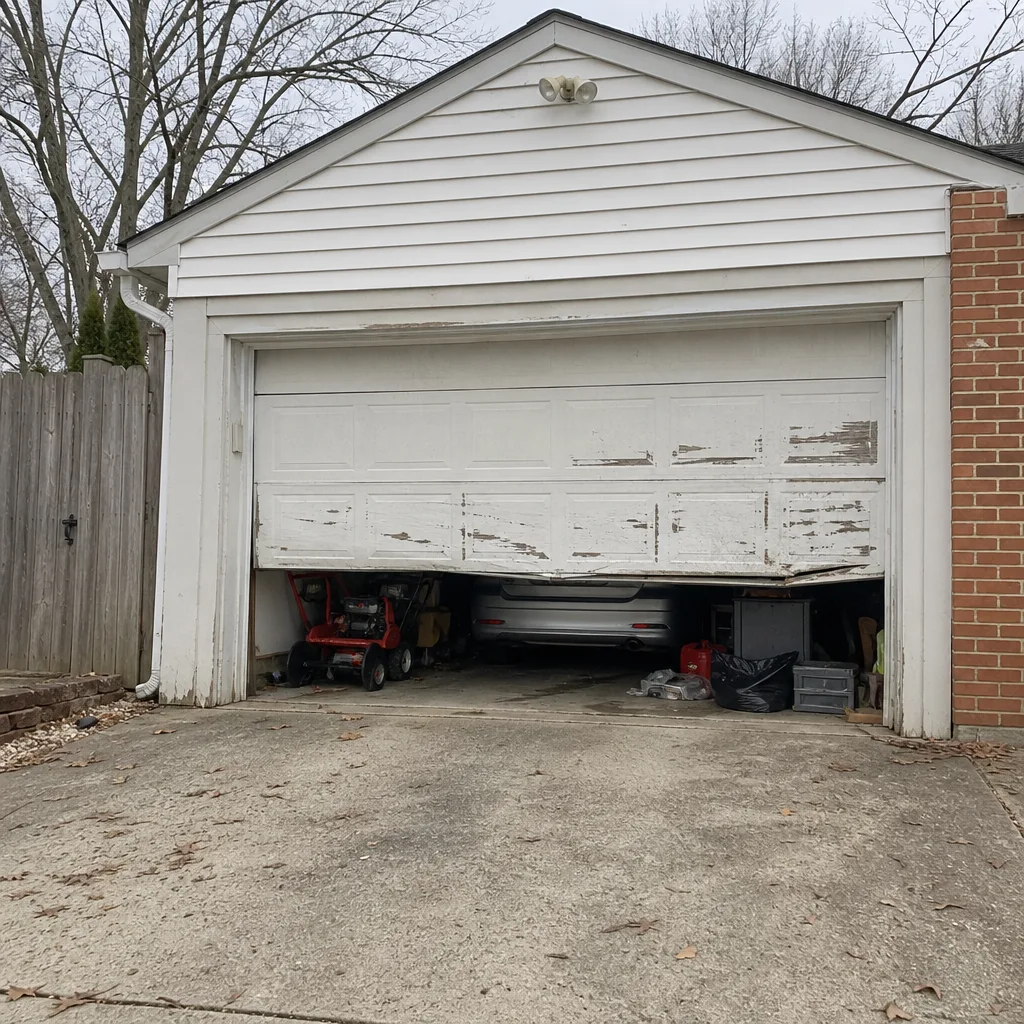
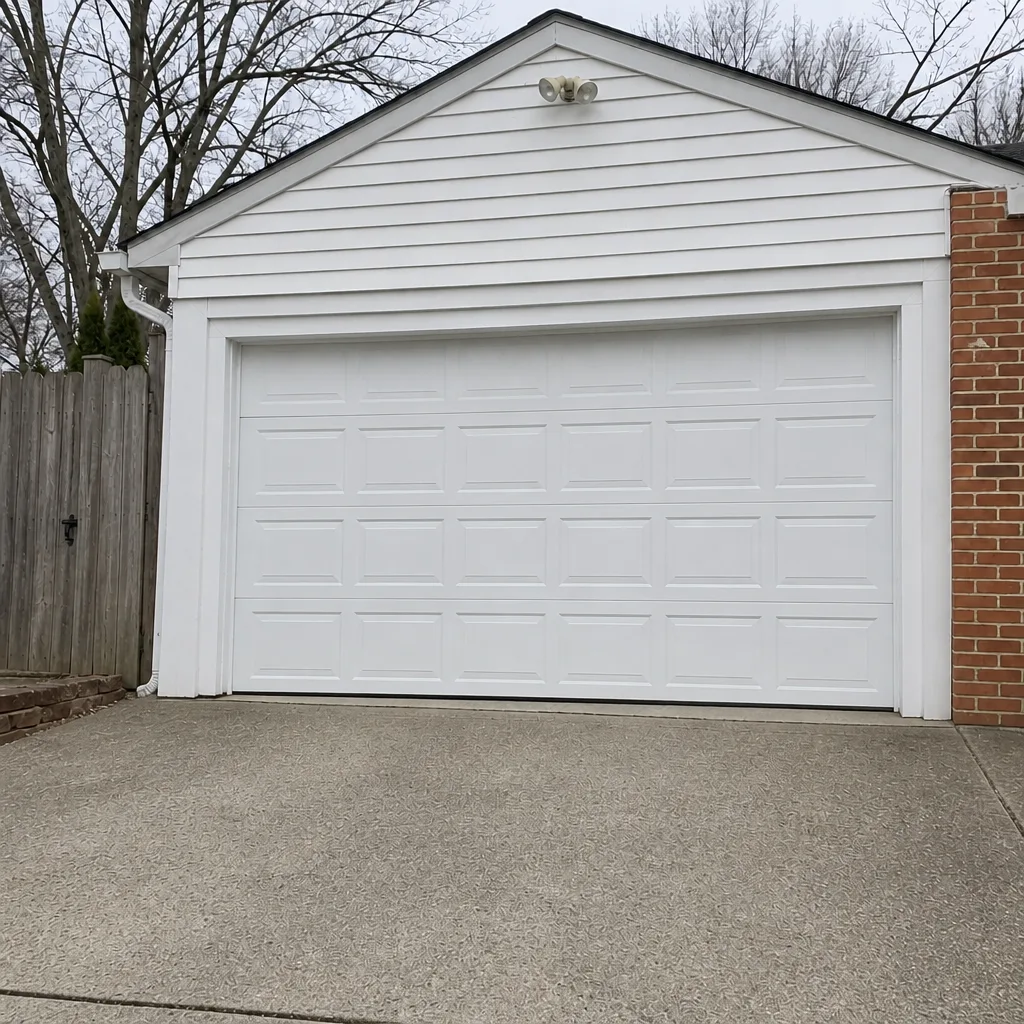
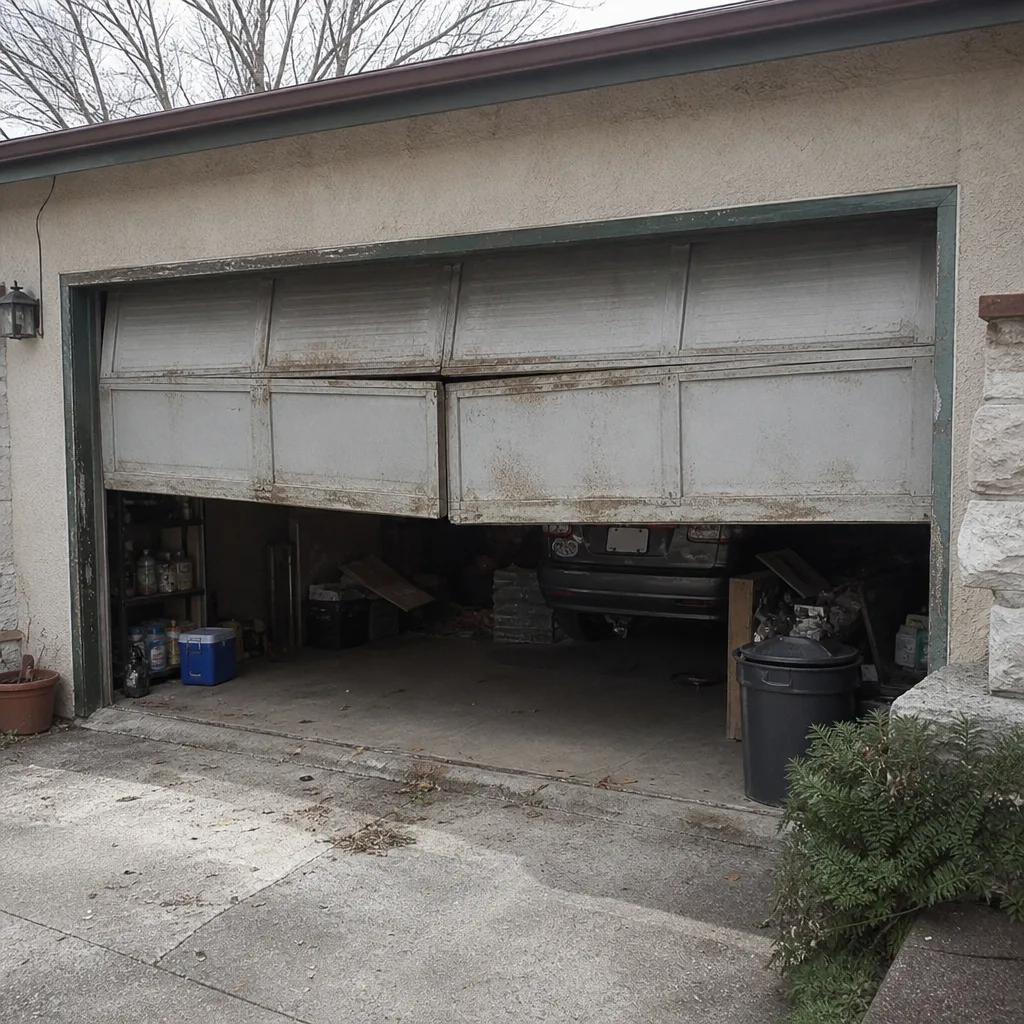
See the difference
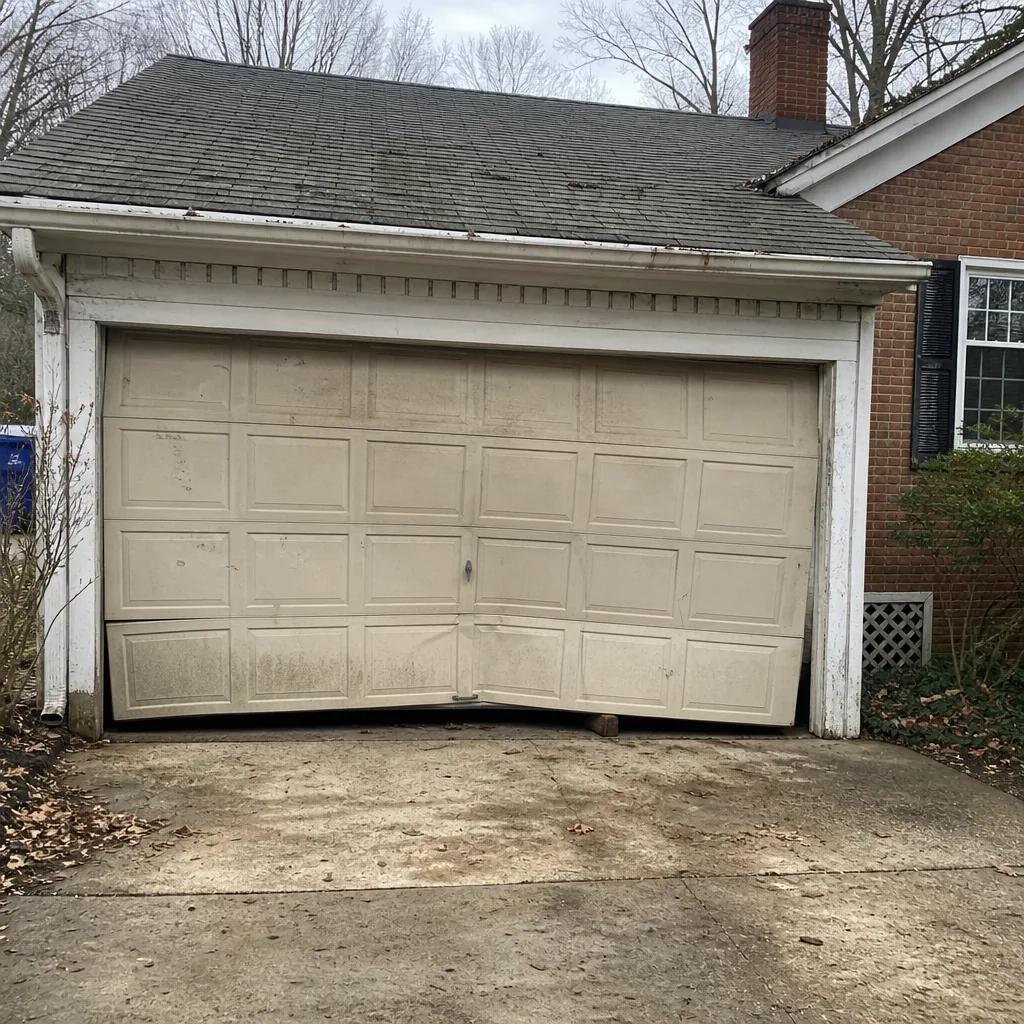 Before
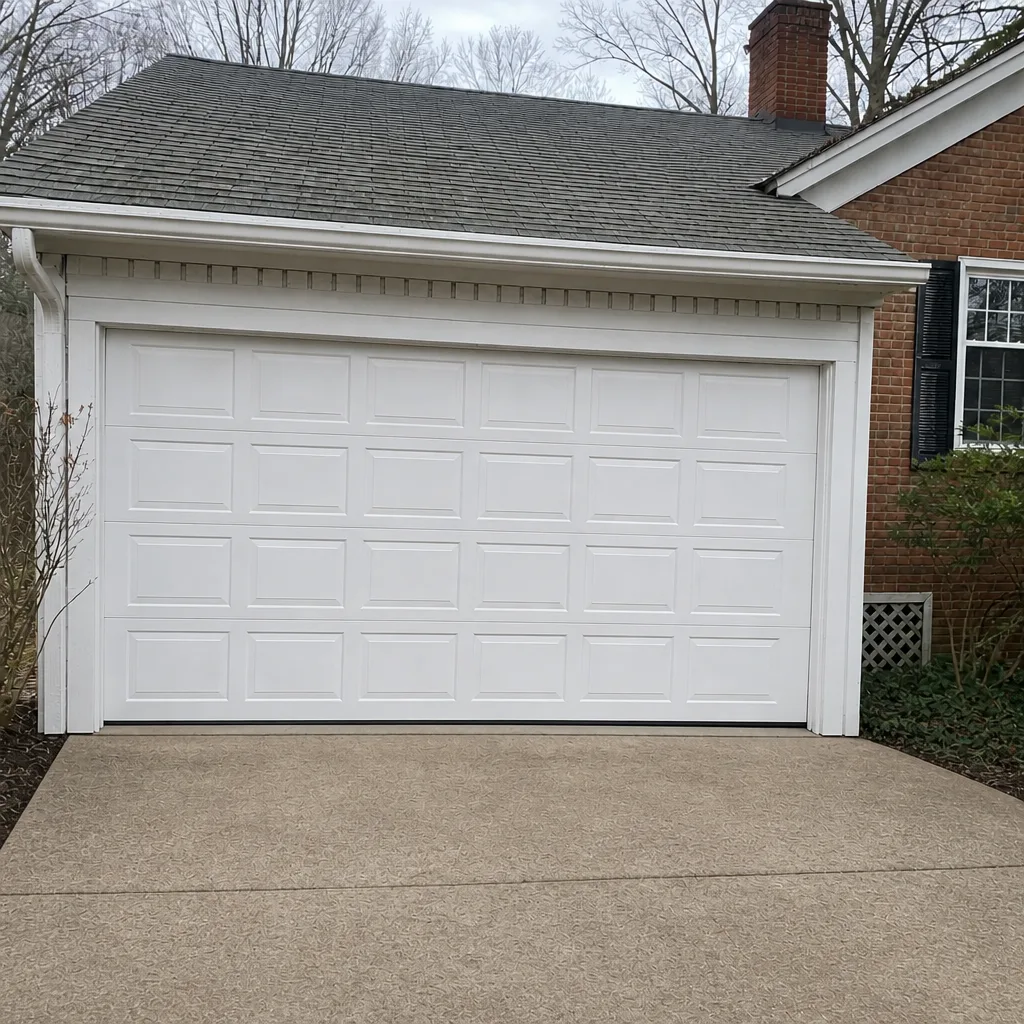 After
 Before
 After
 Before
 After
When to Call a Professional
Some garage door work is straightforward, but some of it genuinely isn’t, and knowing the difference protects both your door and your safety. Call a professional when a spring or cable has failed, when the door comes off its tracks or hangs unevenly, or when the opener behaves unpredictably or stops responding. Call when the door won’t close fully and the gap leaves the house exposed. And call when you’re planning a replacement, because the sizing, insulation, and HOA questions benefit from a trained eye up front. Bethesda Garage Door Repair Pros offers free estimates in Bethesda. Reach us at (855) 550-7635. We answer 24/7, with fast dispatch from 7am to 7pm, Sunday through Friday. If you’re not sure whether your issue is urgent, call and we’ll help you sort it out.
Frequently Asked Questions
Most garage door repairs in Bethesda are priced per job, and the written estimate after a technician looks at the door sets the final price, so it’s best to treat any range as a starting point rather than a quote. Spring and opener repairs are among the most common jobs, and the cost depends on the door’s weight, the hardware, and what’s actually failed. Call (855) 550-7635 for an exact quote. Estimates are free.
We can often respond the same day for a door that’s truly stuck, particularly when the car is trapped or the house is left open. Emergency service is a real part of what we do. Call (855) 550-7635. We answer 24/7, with fast dispatch from 7am to 7pm, Sunday through Friday, and a call outside those hours is booked into the next opening.
The price is quoted and agreed before any work starts, so there are no surprises on the invoice. The technician assesses the door, explains what’s needed, and confirms the price with you first. Call (855) 550-7635 to get started. Estimates are free.
The local professionals we connect you with are licensed and insured as their state requires, and our technicians have up to 9 years of experience. We’re a single-trade garage door specialist, not a general repair service, so the work stays in the category we know best. Call (855) 550-7635 to talk through your door.
No. Spring repair is a safety job, not a DIY job. Springs and cables are under heavy tension, and a mistake can cause serious injury. Leave the door alone and call a trained technician. Reach us at (855) 550-7635, and we’ll get you booked.
HOA approval is often required in communities with architectural review, such as Burning Tree and Bradley Hills, so check your community’s guidelines before ordering. For permit requirements, ask the city’s building department directly, since rules can vary by project. If you’re weighing a replacement, call (855) 550-7635 for a free estimate and we’ll help you plan the timeline.
The Bottom Line
A garage door in Bethesda is a system shaped by the house it’s attached to. Older colonials and Tudors bring non-standard openings and settled framing that demand a careful measure. Microclimates near Rock Creek and on more exposed lots change how much insulation actually earns its keep. HOA review in communities like Burning Tree and Bradley Hills shapes which materials and styles are even on the table. And the brands involved, from Clopay and Amarr doors to Chamberlain and Genie openers, reward a technician who knows the hardware. Get the measure right, match the insulation to the garage, check your community’s rules early, and read the spec sheet before you commit. That’s how a once-in-twenty-years decision holds up. When you’re ready, we’re here to help.
If you’d like a straight answer on your door, whether it’s a repair, a spring, an opener, or a full replacement, call Bethesda Garage Door Repair Pros at (855) 550-7635 for a free estimate. We answer 24/7, with fast dispatch from 7am to 7pm, Sunday through Friday. Learn more about Bethesda Garage Door Repair Pros and how we work.
Written by the team at Bethesda Garage Door Repair Pros.