
Last updated November 23, 2026
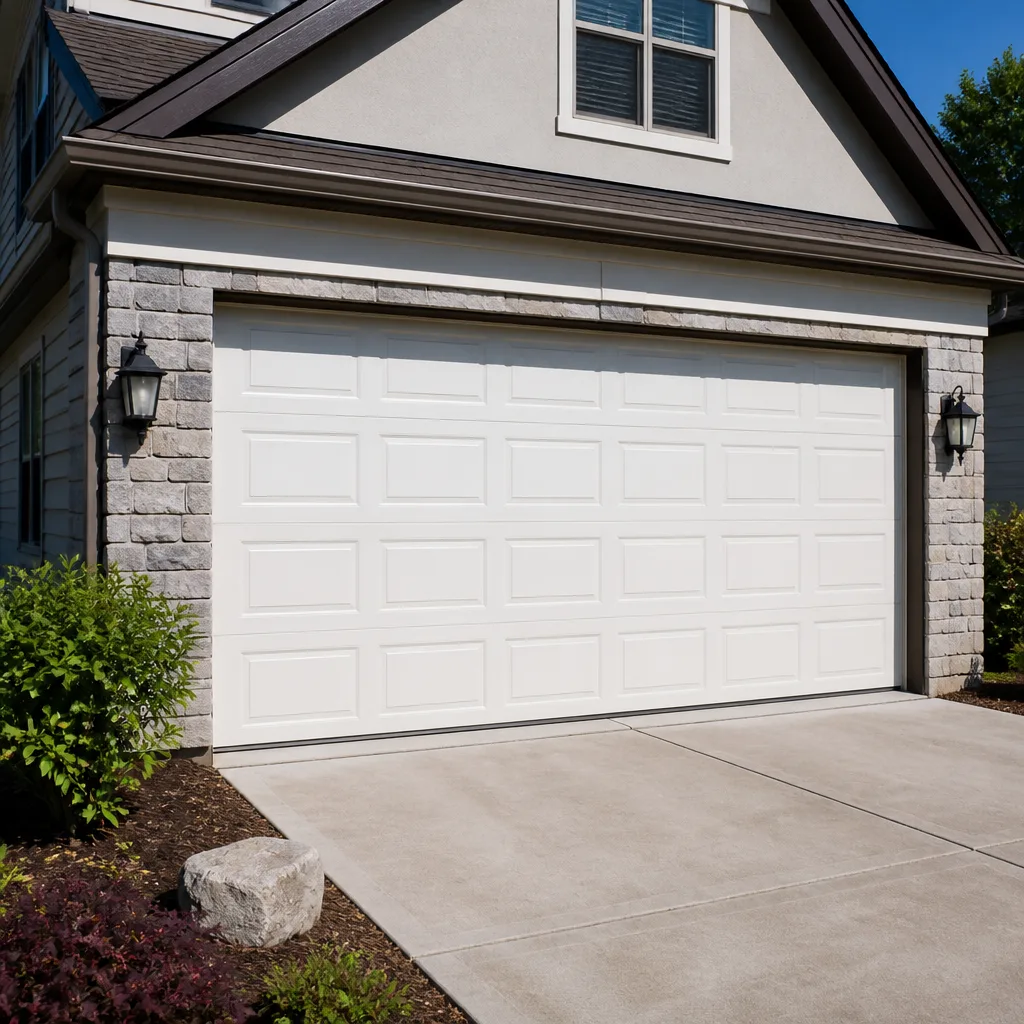 Raised-panel steel
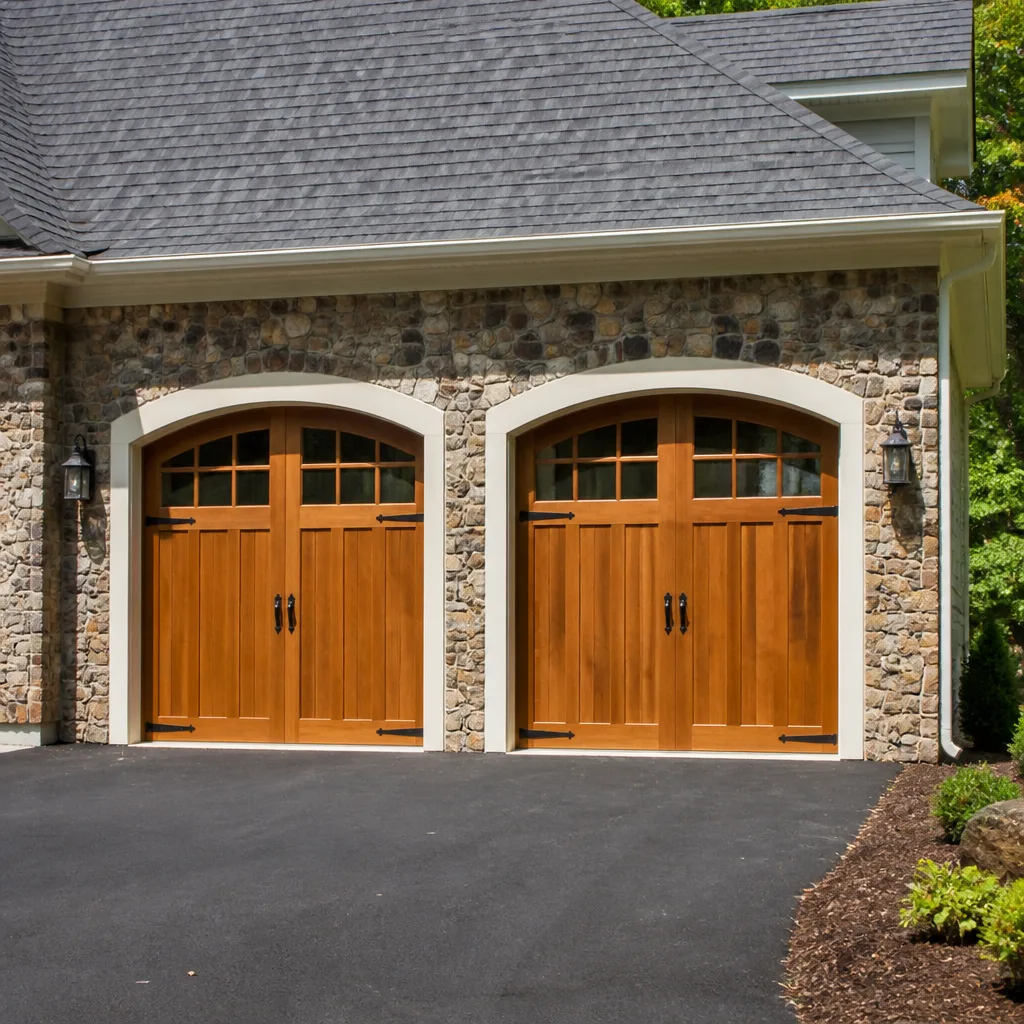 Carriage house
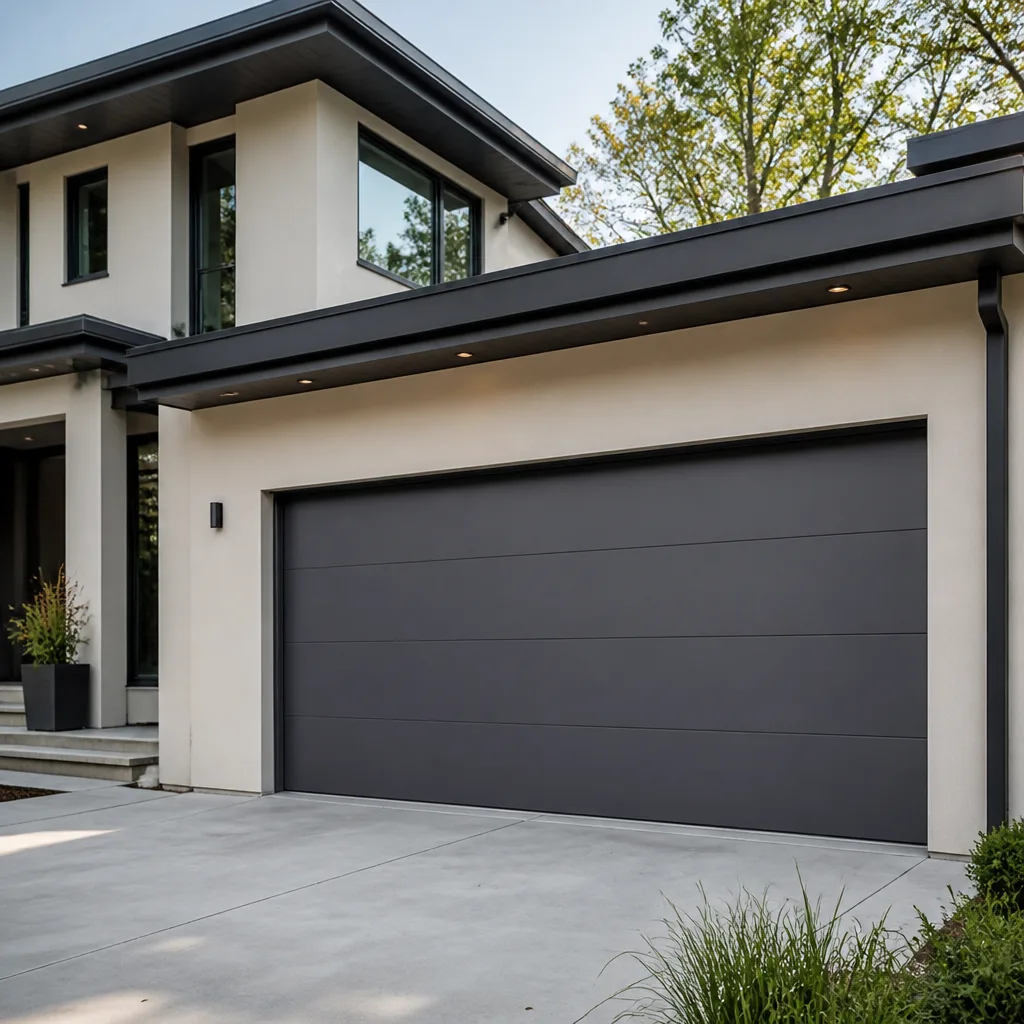 Modern flush
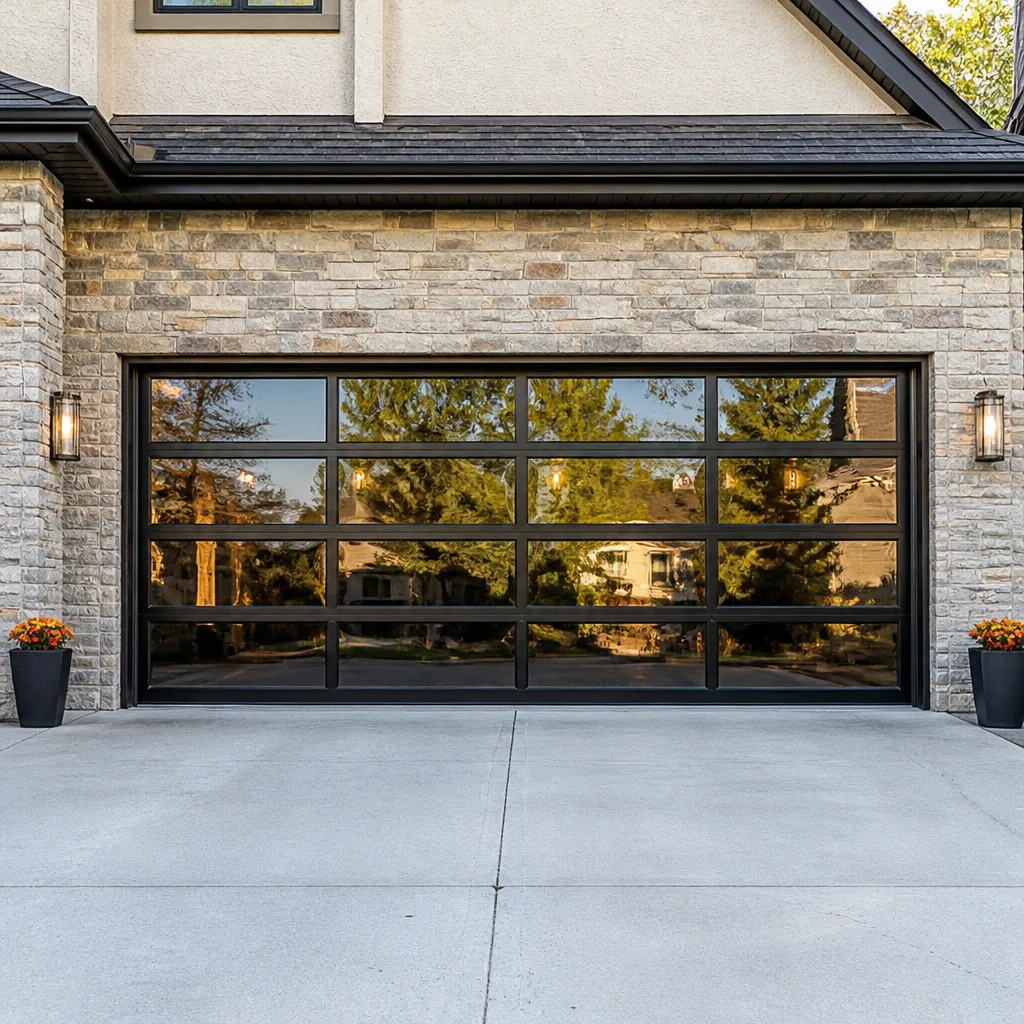 Full-view glass
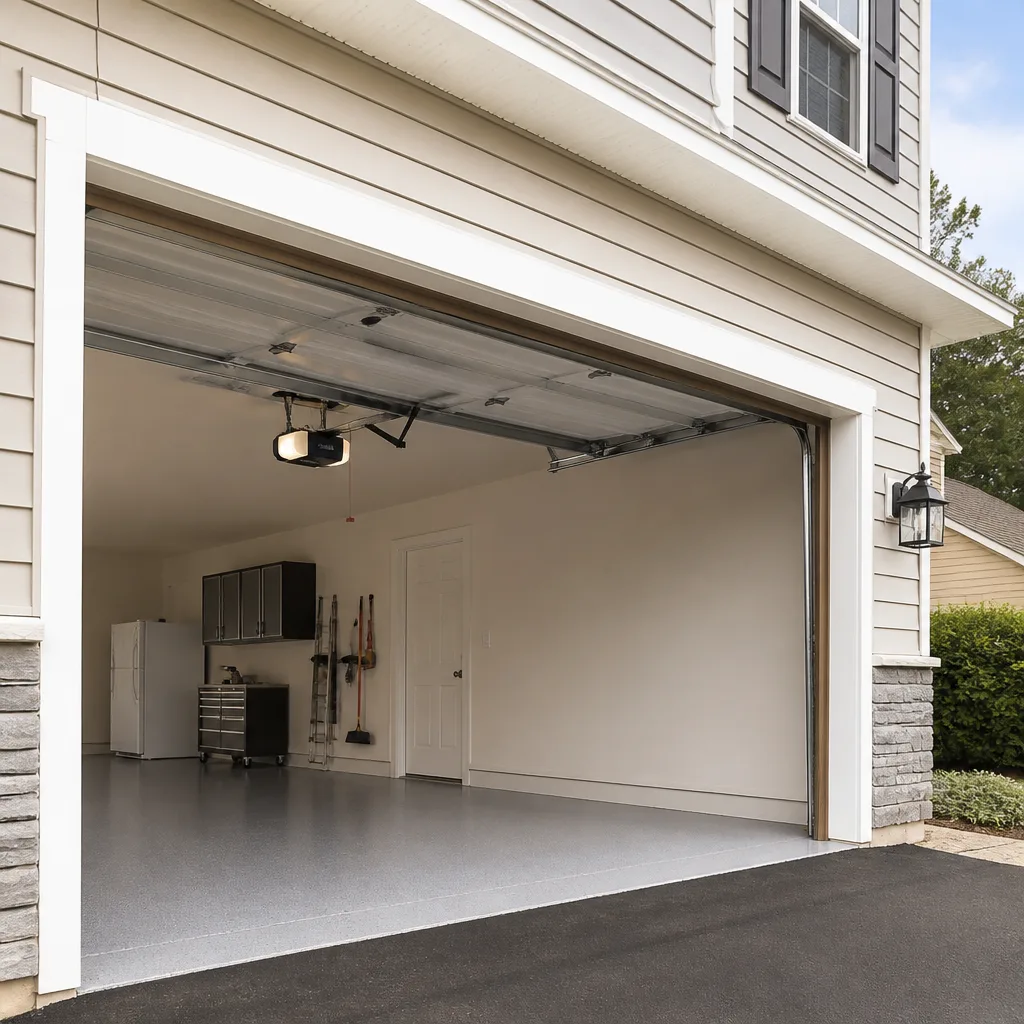 LiftMaster openers
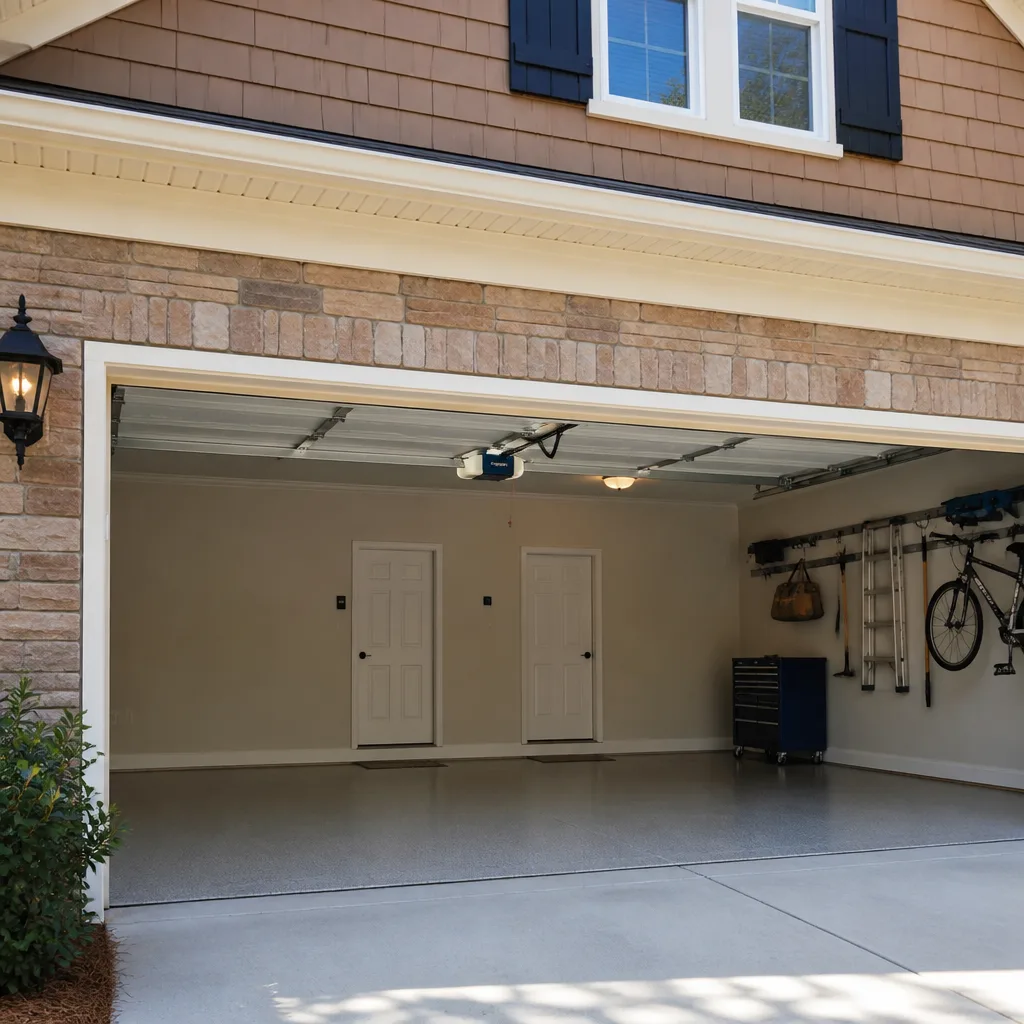 Chamberlain openers
Full 25-point door and opener safety check with every visit - springs, cables, rollers, tracks, and your LiftMaster or Chamberlain opener included
You get a price before we start. It does not change when the pro arrives.
Get your free estimateGarage Door Repair Troubleshooting in Bethesda: Common Problems and How to Fix Them
A garage door that reverses before it reaches the floor looks identical whether the culprit is a misaligned safety sensor, a dirty sensor lens, or something sitting in the track. Three different fixes, one confusing symptom. Start with the wrong one and you’ll spend an hour adjusting hardware that was never the problem. That’s why symptom-chasing gets homeowners into trouble: it skips the system. Every garage door problem in Bethesda falls into one of six mechanical categories – mechanical, electrical, sensor, spring, track, or opener – and naming the category first tells you whether you’re looking at a ten-minute adjustment or a job that belongs in trained hands. This guide gives you that decision tree, plus the stop-here warnings that keep a small repair from becoming an injury.
Quick Answer
Most garage door problems come down to one of six systems: the door and its panels, the springs and cables, the tracks and rollers, the safety sensors, the electrical supply, or the opener itself. You can safely check and often fix sensor alignment, obstructions, remote batteries, and track debris yourself. Springs, cables, and the torsion assembly are not DIY territory – they hold the door’s full weight under extreme tension. If your door won’t open and your car is inside, or a spring has visibly snapped, call a specialist rather than experimenting. In Bethesda, humidity swings also loosen wood door joints and shift metal tracks, so a door that worked in October can bind by July without anything being “broken.”
Styles & brands we work with
- Raised-panel steel
- Carriage house
- Modern flush
- Full-view glass
- LiftMaster openers
- Chamberlain openers
Table of Contents
- The Six-System Framework: Diagnose the System, Not the Symptom
- Where DIY Stops: Springs, Cables, and Injury-Risk Work
- Sensor Problems: The Most Common “It Won’t Close” Cause
- Track, Roller, and Hinge Problems
- Opener Electrical Problems and Brand-Specific Error Codes
- How Bethesda Weather Affects Wood Doors and Metal Tracks
- What to Document Before You Call
- When to Call a Professional
The Six-System Framework: Diagnose the System, Not the Symptom
Garage door troubleshooting in Bethesda starts with a question most homeowners skip: which system is actually misbehaving? Your door is the largest moving part of your home, and it’s really six subsystems working in sequence. If you can name which one has failed, you know instantly whether you’re facing a five-minute fix or a call to a specialist.
Here’s how we break it down for homeowners:
- Mechanical (door and panels): Bent panels, cracked wood, loose hinges, worn rollers. Symptom: grinding, scraping, or a door that looks crooked.
- Springs and cables: The counterbalance system that lifts the door’s weight. Symptom: a loud bang, a door that won’t lift, or one that slams down.
- Track and alignment: The rails guiding the door. Symptom: the door binds, jerks, or comes off a roller.
- Safety sensors: The paired photo-eyes near the floor. Symptom: the door closes partway then reverses.
- Electrical supply: Outlet, breaker, or wiring to the opener. Symptom: no response to any remote, keypad, or wall button.
- Opener (motor and logic board): The unit itself. Symptom: lights blink, motor hums but doesn’t move, or the door works from the wall button but not the remote.
Work through them in that order. It’s rare for a door to fail in two unrelated systems at once, and starting with the mechanical layer catches the obvious obstructions and misalignments before you start blaming electronics. A door that reverses on the way down, for example, often just has a roller off the track – not a dead sensor. When you’ve isolated the system and the fix crosses into spring or cable territory, that’s when garage door repair calls for trained hands and proper tools.
Where DIY Stops: Springs, Cables, and Injury-Risk Work
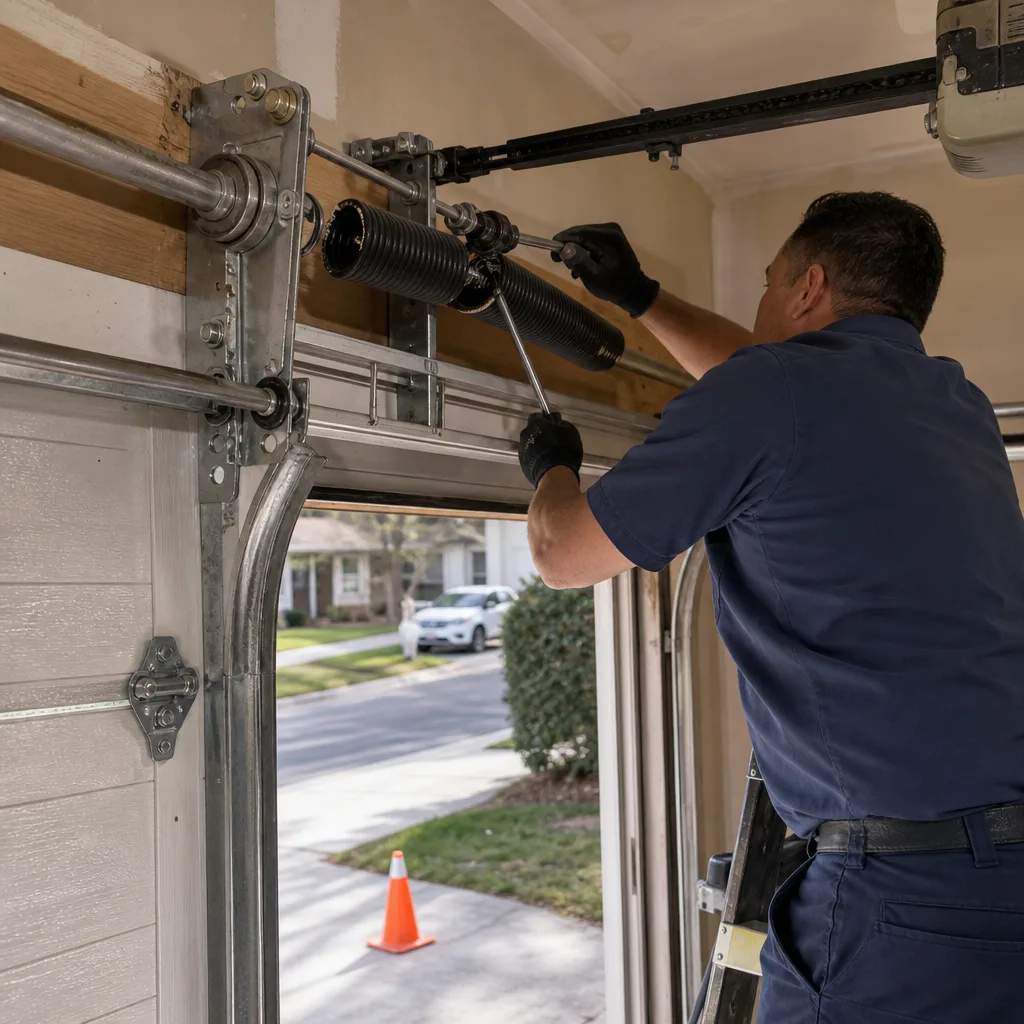
The torsion spring above your door holds the full weight of the door – often several hundred pounds – under continuous tension. One pin, one winding cone, one cable under load, and you’re dealing with stored energy that can release without warning. This is the single most important boundary in garage door troubleshooting: spring and cable work is a safety job, not a DIY job.
Here’s what you should never attempt yourself:
- Torsion spring winding or replacement – requires a winding bar, precise calibration, and knowledge of cycle life. A single wrong turn can send a bar flying.
- Extension spring replacement – extension springs on older doors store energy along the track and can launch loose hardware if the safety cable isn’t intact.
- Cable replacement or re-seating – cables restrain the door’s weight against the spring. A cable under load can cause serious injury.
- Loosening or removing any spring hardware – even “just to look” – while the door is under tension.
- Adjusting the opener’s force settings to compensate for a binding door. This masks the real problem and stresses the motor.
What you can safely do: visually inspect (with the door down), look for a visible gap in a torsion spring, check that the door is centered, and clean and align the safety sensors. If a spring has snapped, don’t run the opener. The motor will strain against the full door weight and can damage itself, or the door can come down unexpectedly. Call and let a specialist handle it. Our spring repair work is one of our named specialties, and we carry the correct winding equipment for the job rather than improvising. If it’s a snapped spring you’re dealing with, our page on garage door spring repair explains when a pair is replaced together and what the visit involves.
Sensor Problems: The Most Common “It Won’t Close” Cause
If your door starts down and reverses back up, the safety sensors are the first thing to check. They sit a few inches off the floor, one on each side, each with a small lens. When the beam between them is broken or interrupted, the opener reads it as an obstruction and reverses the door. This is a safety feature working exactly as designed – the goal is to fix the interruption, not bypass the sensor.
The most common sensor problems in Bethesda homes, in order:
- Dirty lens: Dust, pollen, and spider webs block the beam. Wipe both lenses with a soft dry cloth. In our experience, this solves a surprising share of “won’t close” calls before a technician ever needs to visit.
- Misalignment: A sensor gets bumped, or a track shifts in the heat. Each sensor should have a small LED that stays solid when aligned. Gently adjust the bracket until the light holds steady.
- Sunlight glare: A low-angle sun on a Bethesda afternoon can overwhelm the receiver. If the problem only happens at a specific time of day, that’s the giveaway.
- Wiring or fixture failure: One sensor may have no light at all. Check the power connection at the opener and inspect the thin wires running down the track for nicks or pinches.
Never tape over a lens, remove a sensor, or wire the two directly together. It defeats a required safety device. If cleaning and realignment don’t solve it, the sensor or its wiring has failed, and that’s a straightforward repair visit.
Track, Roller, and Hinge Problems
Grinding, scraping, or a door that rolls unevenly usually points to the track-and-roller system, not the opener. The metal tracks guide the door along a fixed path. When they shift, bend, or pick up debris, the whole door binds.
Here’s what to check on the track layer:
- Obstructions: Look for small objects, gravel, or debris near the floor where the door meets the frame. A tiny pebble in the path can trip the reversal cycle.
- Rollers off-track: With the door fully closed, look up the rails. If a roller is out of its channel, stop using the door – running it can bend the track further.
- Bent track: Any visible kink in the rail means it can no longer guide the door in a straight line. A slight bend may be repairable; a crushed track section gets replaced.
- Loose hinges and brackets: Loose fasteners cause rattling and uneven travel. A screwdriver can snug these up, provided the door is down and not under spring tension.
- Worn rollers: Plastic rollers dry out and flatten with age. A door that jumps or sounds rough on one side often has a roller that needs replacing.
Do not lubricate the track itself – grease collects grit and makes things worse. A light application of a proper garage-door lubricant on the rollers, hinges, and pivot points is the correct target. If the door is binding badly or the track is bent, leave it closed and have it assessed. A crooked door puts strain on the opener and spring, and running it that way can turn a minor repair into a much larger one.
Opener Electrical Problems and Brand-Specific Error Codes
When the door doesn’t respond at all, or the opener’s lights blink in a strange pattern, the problem is often electrical or in the opener’s logic. The key insight for troubleshooting: different brands speak different “blink languages.” Reading the code correctly saves the visit.
Here’s how the major brands behave differently:
- LiftMaster and Chamberlain share the same control architecture, so their diagnostic codes line up. A certain number of up-light flashes followed by pauses usually maps directly to a sensor, travel-limit, or force-sensor fault. The wall control often shows a matching indicator.
- Genie tends to use a different blink sequence, and its error handling often points you toward a specific sensor or a programming issue rather than a general fault. Reading a Genie code with a LiftMaster manual gets you nowhere.
- Craftsman units, many of them older, often have simpler indicator lights and rely more on where the door stops than on a numbered code.
- Raynor commercial and residential openers have their own diagnostic conventions that a technician familiar with the line reads quickly.
Before assuming the opener is dead, check the simple electrical layer: the outlet it’s plugged into, the breaker at the panel, and whether the wall button works while the remotes don’t. That last test separates an opener problem from a remote or radio-frequency problem. Never open the opener housing or touch the board yourself – it’s a low-voltage device but the supply side and the moving motor are the domain of a trained technician. If the door works from the wall control but not the remote, it’s a remote or receiver issue, which is one of the most common calls we take for garage door opener repair. Because we work across LiftMaster, Chamberlain, Genie, Clopay, Amarr, Wayne Dalton, Craftsman, and Raynor every week, we diagnose by the brand’s own logic – not by trial and error.
How Bethesda Weather Affects Wood Doors and Metal Tracks
Bethesda’s climate is one of seasonal extremes and long, humid summers, and that has real mechanical consequences for your door. A door that behaved all winter can start to bind in July, and it’s often not because anything “broke” – it’s because the materials moved.
Two effects we see repeatedly:
Wood door gaps and swelling. The DMV’s humid summers push moisture into wood door panels. Wood swells as it takes on moisture and contracts as it dries, so seasonal expansion and contraction open gaps at joints and can make sections bind against the frame. A wood door that drags in July and frees up in October is telling you about moisture, not a broken part. Finishing and sealing the door matters here. So does watching for vertical cracks in panel glue joints, which weaken over many wet-dry cycles.
Metal track expansion. Steel tracks and rails expand and contract with temperature changes and can shift out of square. A track that was true in spring can develop a slight bind in the summer heat, especially if a bracket was already slightly loose. Combined with humidity-driven swelling on wood doors, this is why a “mystery” binding door is so common in Bethesda this time of year.
Neither effect is a reason to panic, and neither can be fixed by adjusting the opener’s force setting. If the door binds significantly, have the track checked for square and the door checked for warp. A little seasonal maintenance – lubricating rollers in spring and fall, checking hinge tightness, and keeping the tracks clean – goes a long way toward preventing the seasonal stall.
What to Document Before You Call
A few minutes of note-taking before you call makes the visit faster and the diagnosis more accurate. When a technician already knows the brand, the symptom, and the conditions, they walk in with the right tools and parts guess instead of starting from zero. Here’s the checklist we ask Bethesda homeowners to gather:
- The brand and model. LiftMaster, Chamberlain, Genie, Clopay, Amarr, Wayne Dalton, Craftsman, or Raynor – brand and model number are on a label on the opener housing or the door’s edge.
- What happens, and when. Does the door not open at all, open partway, reverse on closing, or open unevenly? Note whether it happens every time or intermittently.
- Which controls work. Test the wall button, each remote, and the keypad. If the wall button works and the remotes don’t, tell us – that narrows it to the remote or receiver.
- Any blink code. Count the flashes on the opener’s diagnostic light. The pattern is specific to each brand and often points straight to the fault.
- The door’s history. Recent weather extremes, a bump to the track, a new opener, or a car that nudged the door – any of these matter.
- Whether it’s an emergency. Is your car trapped inside? Is the door stuck open and your home unsecured? Say so when you call.
This is also a good moment to test the door’s balance: with the door fully closed, pull the release handle to disconnect the opener, then lift the door halfway by hand and let go. A well-balanced door stays put; one that slams down or drifts has a spring problem – close it, re-engage the opener, and call. We answer the phone 24/7, and fast dispatch runs from 7am to 7pm, so a failure that traps a car or leaves your home open can be handled the same day in most cases.
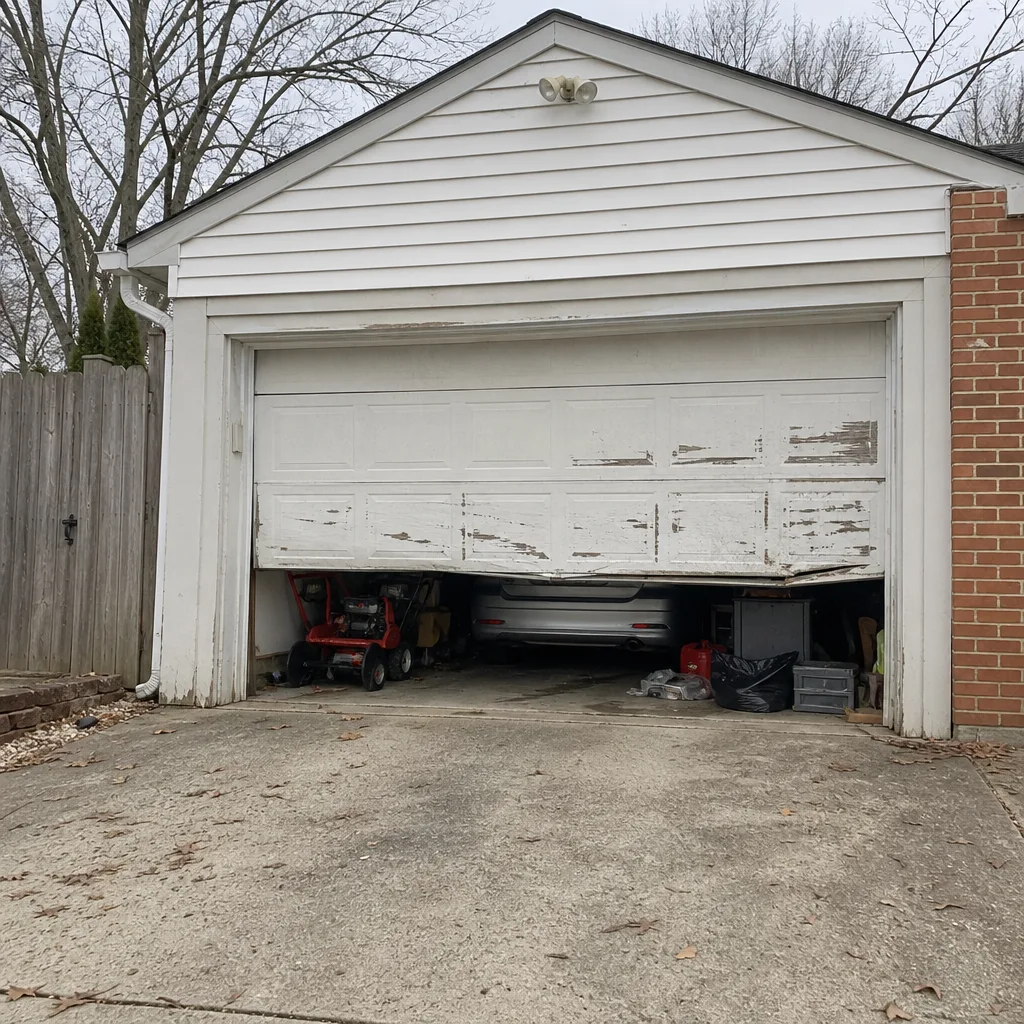
See the difference
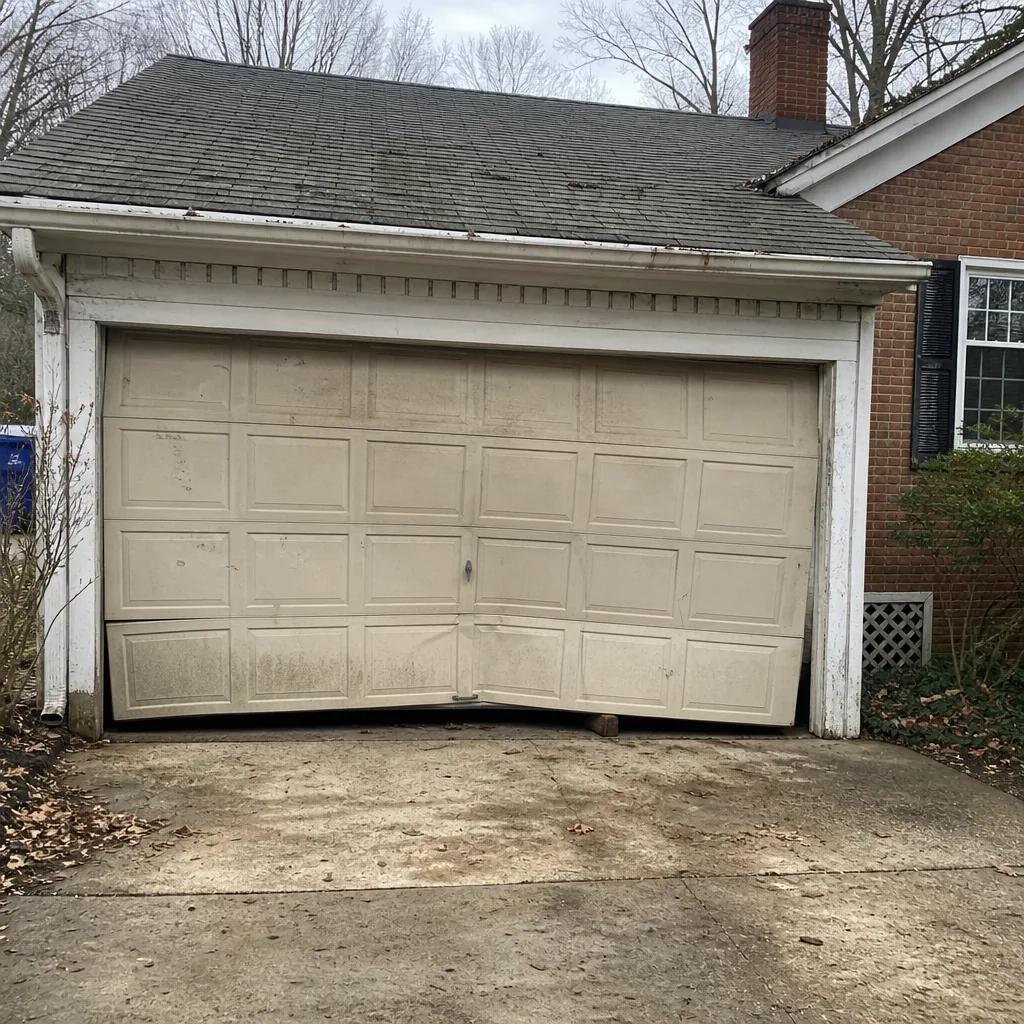 Before
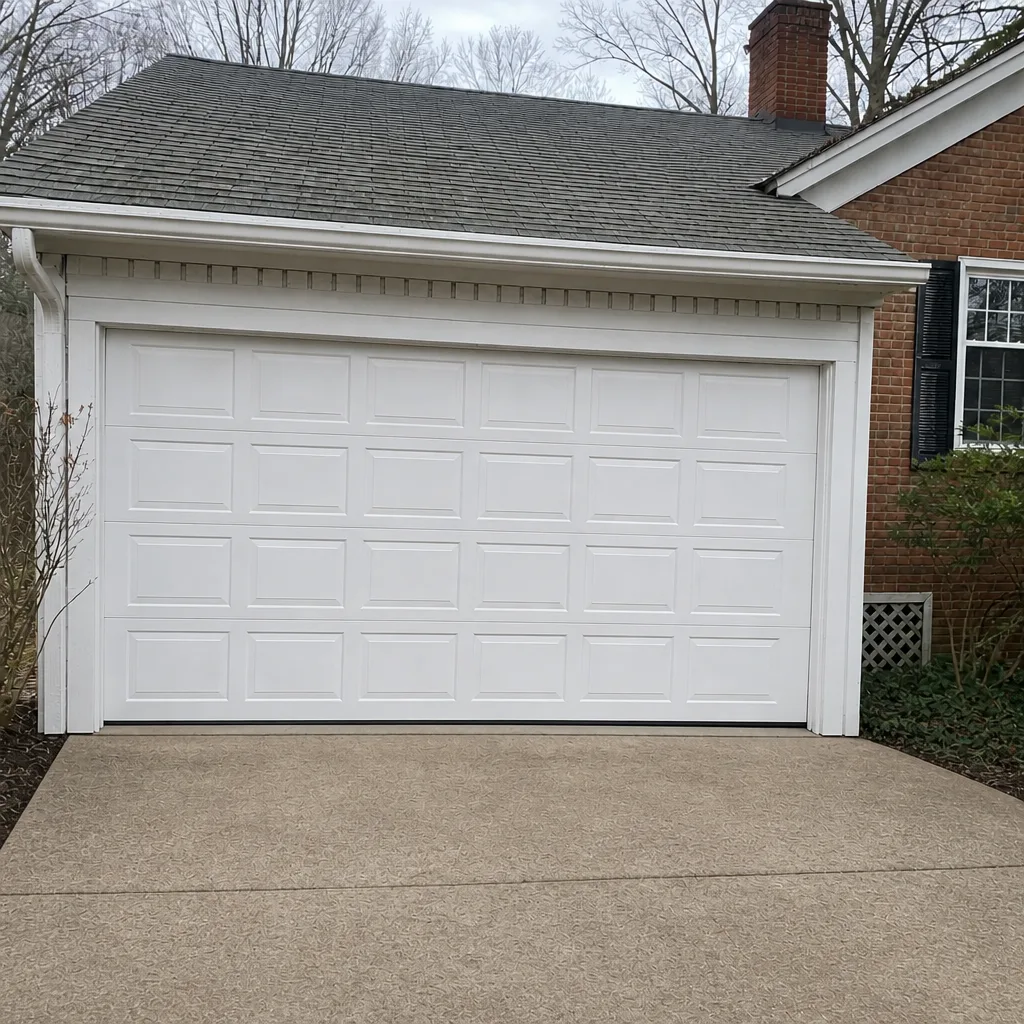 After
 Before
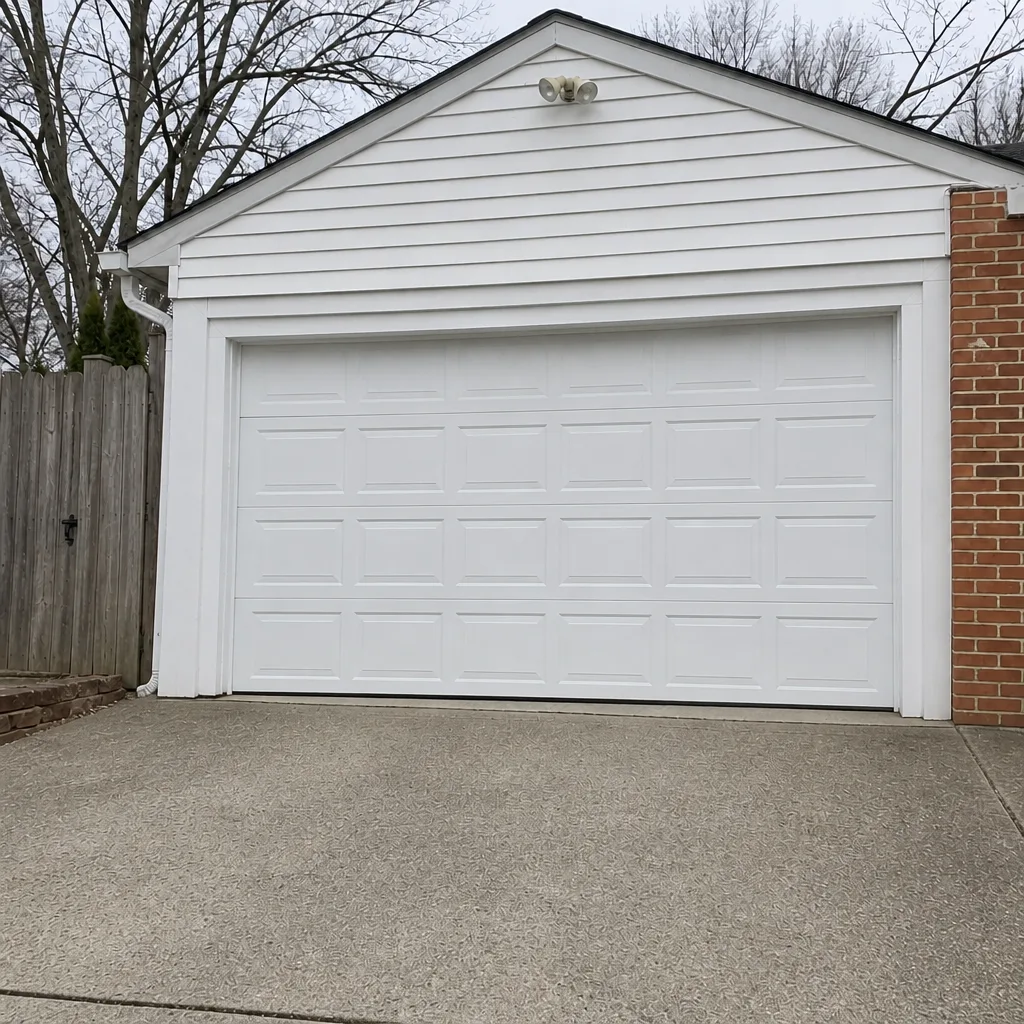 After
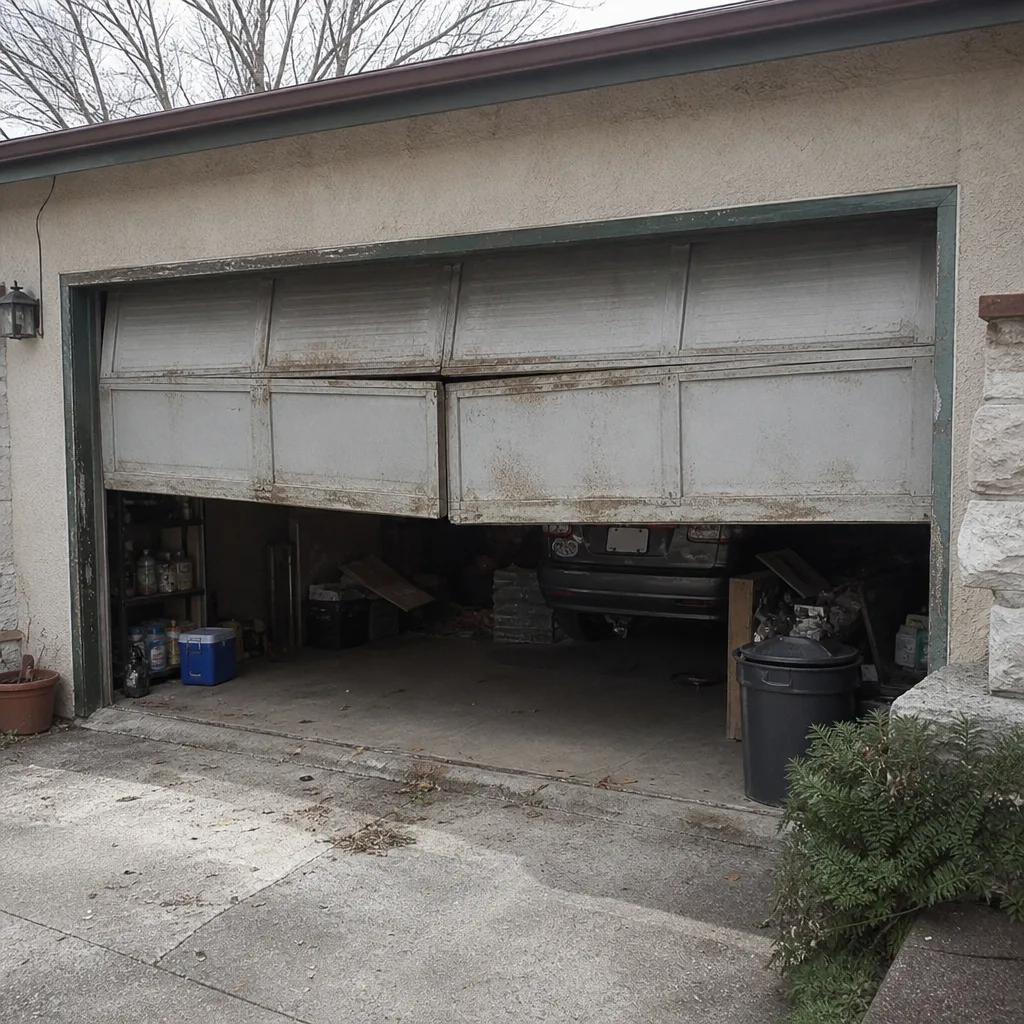 Before
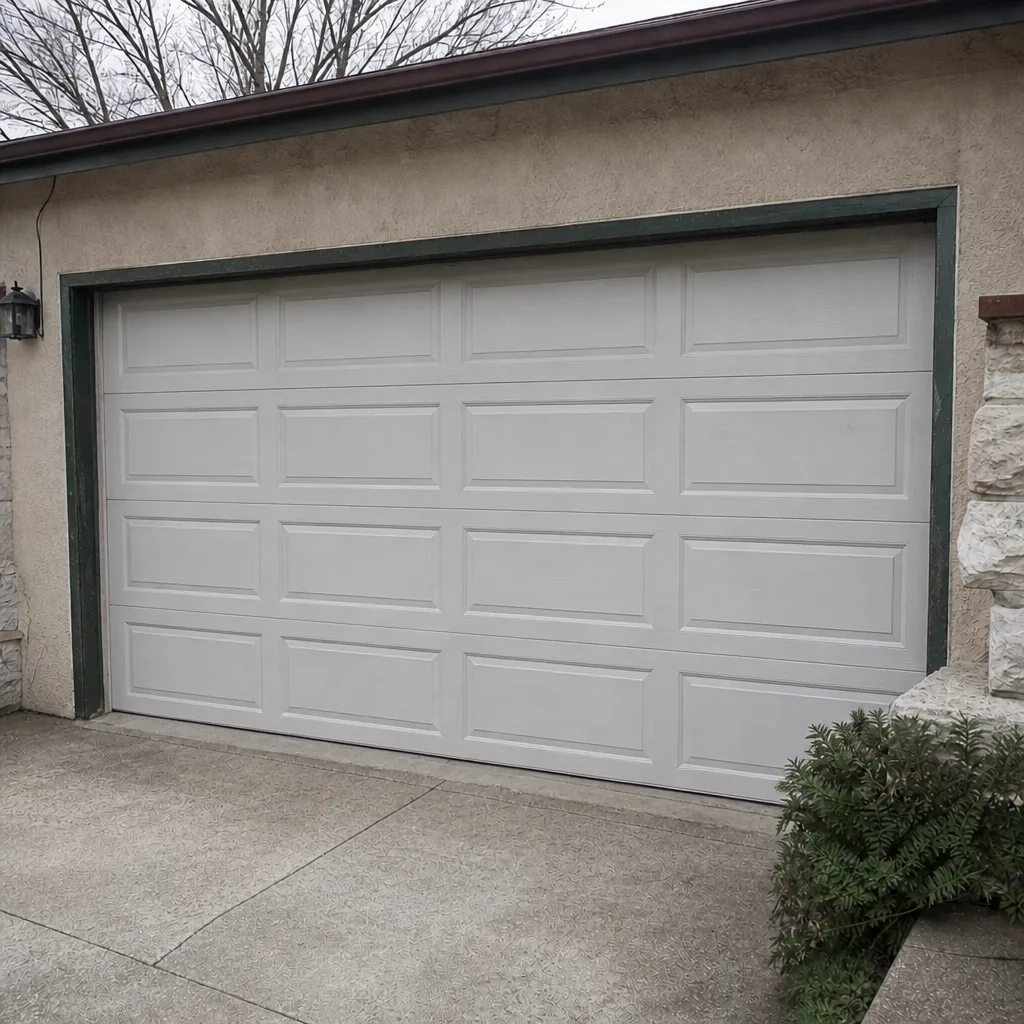 After
Common Mistakes to Avoid
- Treating a symptom as the diagnosis. “It reverses” could be a sensor, a track obstruction, or a travel-limit setting. Check the six systems in order rather than adjusting the first thing that looks wrong.
- Adjusting the opener’s force setting to fix a binding door. This masks a mechanical problem and strains the motor. Find the bind, don’t override it.
- Disabling the safety sensors. Taping over a lens or wiring the sensors together defeats a required safety device and creates a real hazard for anyone under the door.
- Attempting spring or cable work yourself. These components hold the door’s full weight under tension. This is the one category where the correct move is to stop and call.
- Greasing the tracks. Lubricant on the rail collects grit and causes binding. Lubricate rollers, hinges, and pivots, not the track channel.
- Ignoring seasonal binding in Bethesda. A wood door that drags in the humid summer and frees up when it dries is telling you about moisture. Sealing and periodic checks prevent the eventual failure.
- Running a door with a roller off the track. This bends the track and can cause the door to come down crooked. Stop using it and have it looked at.
When to Call a Professional
Call a specialist when a spring has visibly snapped, when a cable is loose or frayed, when a track is bent or a roller is off the channel, when the door opens unevenly or slams down, or when the opener hums without moving the door. These are the scenarios where continuing to run the door causes more damage – or worse. Call the same day if your car is trapped inside, the door is stuck open and your home is unsecured, or the door won’t close before a storm moves through. Bethesda Garage Door Repair Pros offers free estimates in Bethesda – call (855) 550-7635. We answer 24/7, and fast dispatch runs from 7am to 7pm, Sunday through Friday. Our technicians have up to 9 years of experience, and the price is quoted and agreed before any work starts.
Frequently Asked Questions
It’s almost always a safety sensor issue – a dirty lens, a misaligned sensor, or an obstruction breaking the beam between the two photo-eyes. Wipe both lenses with a dry cloth and check that each sensor’s indicator light is solid, not blinking. If they’re clean and aligned and the door still reverses, the sensor or its wiring has failed and needs a repair visit. Call (855) 550-7635 for an exact quote – estimates are free.
No. Torsion and extension springs hold the full weight of the door under extreme tension, and releasing that energy incorrectly causes serious injury. Spring repair requires winding bars, correct calibration, and training. This is a safety job, not a DIY job – call a specialist. Our spring repair is a named specialty and one of our core services in Bethesda.
The blink pattern is a diagnostic code, and each brand reads it differently. LiftMaster and Chamberlain share a code architecture and use counted flashes to point to sensor, travel-limit, or force faults. Genie uses a different sequence that often suggests a programming or sensor issue. Craftsman and Raynor units have their own conventions. Rather than guess, count the flashes and tell us the brand – we work on all of them, so we read the code correctly the first time. Call (855) 550-7635 for a free estimate.
Humidity and heat. In Bethesda’s humid summers, wood door panels swell and can bind against the frame, while metal tracks expand and shift slightly out of square. A door that drags in July and frees up in cooler, drier weather is telling you about moisture, not a broken part. Sealing wood doors and keeping tracks clean and true prevents the seasonal stall. If the bind is significant, have the door and track checked.
Usually not. If the wall control works but the remotes don’t, the opener motor and travel are fine – the problem is in the remote, the radio receiver, or the radio-frequency settings. That’s a repair visit, not a full replacement. It’s one of the most common opener calls we take. Call (855) 550-7635 for an exact quote – estimates are free.
No. We give you a written price before any work starts, and that written estimate sets the final price. There are no surprise add-ons and no service-call fee. You’ll know the cost before anyone touches the door, and you agree to it first. If we find a second issue while working, we tell you before doing anything and you decide. Call (855) 550-7635 for a free estimate in Bethesda.
We answer 24/7. A call outside dispatch hours is booked into the next opening, Sunday through Friday, 7am to 7pm. We’re closed Saturday. If your car is trapped or the door is stuck open, call anyway – getting it booked immediately means the fastest possible dispatch.
The Bottom Line
Garage door troubleshooting works when you name the system first. Six categories – mechanical, springs and cables, track, sensors, electrical, and opener – and each one tells you whether you’re looking at a five-minute check or a job for trained hands. You can safely handle sensor cleaning, obstructions, remote issues, and loose fasteners. Springs, cables, and anything under tension are a hard stop. In Bethesda, humidity and temperature swings add seasonal binding to the list of things to watch, especially on wood doors. Document the brand, the symptom, the controls, and any blink code before you call, and the visit gets faster. If your door is down and your car is inside, call Bethesda Garage Door Repair Pros at (855) 550-7635 for a free estimate. We answer 24/7. Fast dispatch from 7am to 7pm.
If you’re deciding between repair and replacement after a hard failure, the Bethesda Garage Door Repair Pros team can walk you through both options with a written estimate. From a snapped spring to a full new installation, every job stays inside the garage door category – that’s the whole focus.
Written by the team at Bethesda Garage Door Repair Pros.