
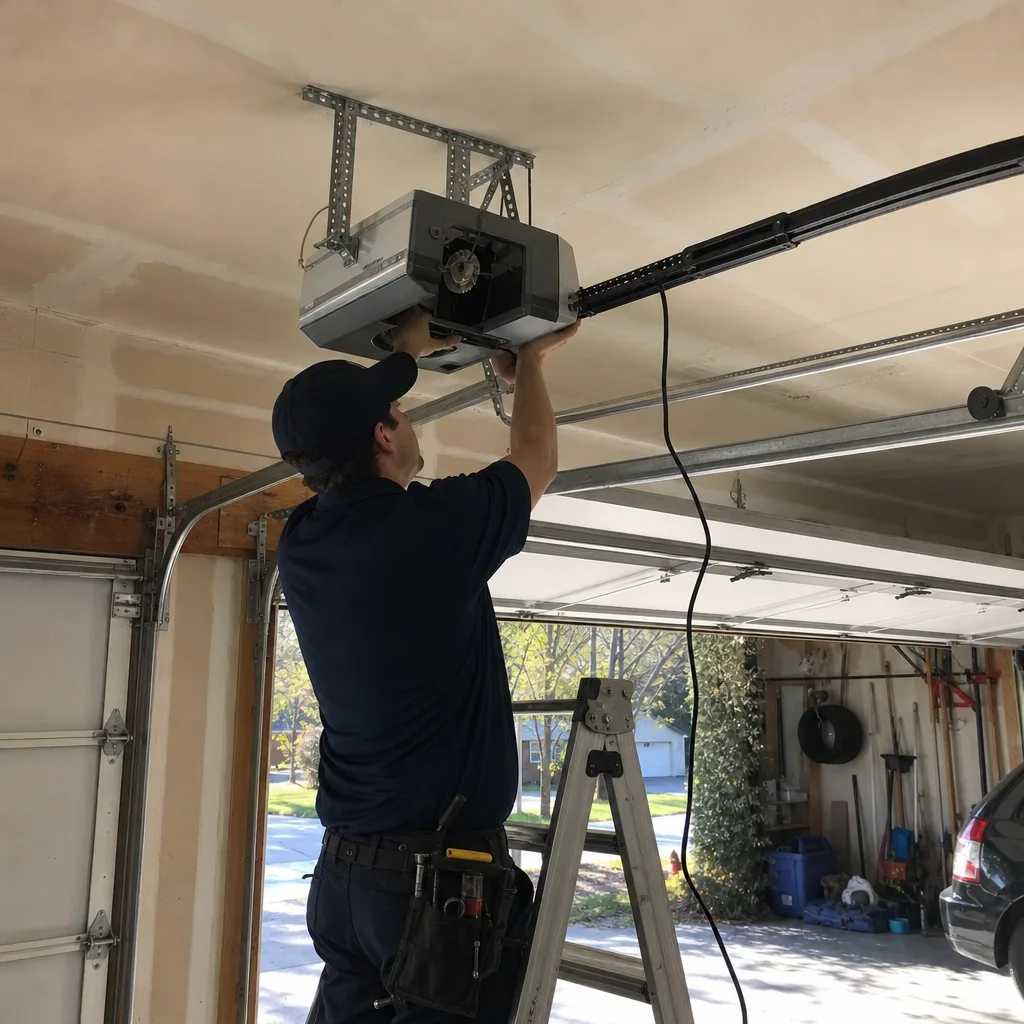
Last updated November 23, 2026
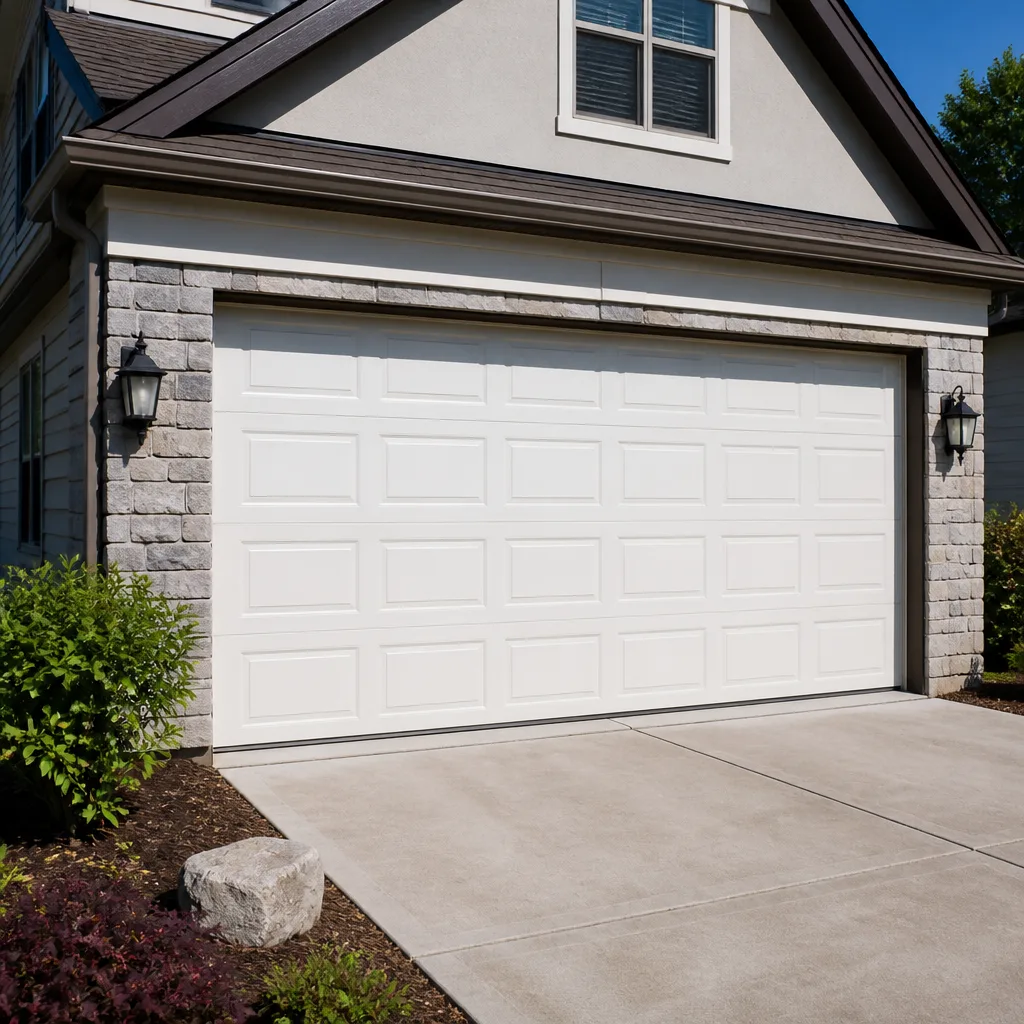 Raised-panel steel
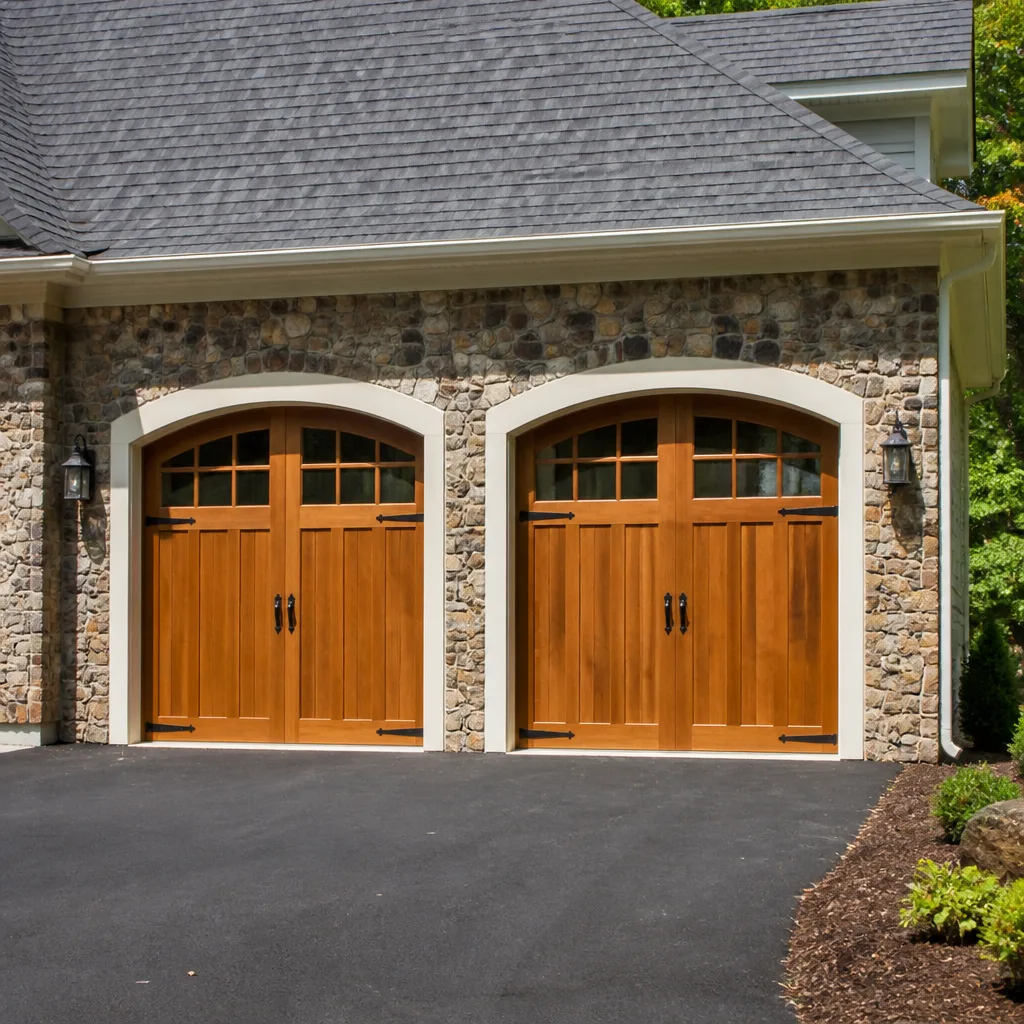 Carriage house
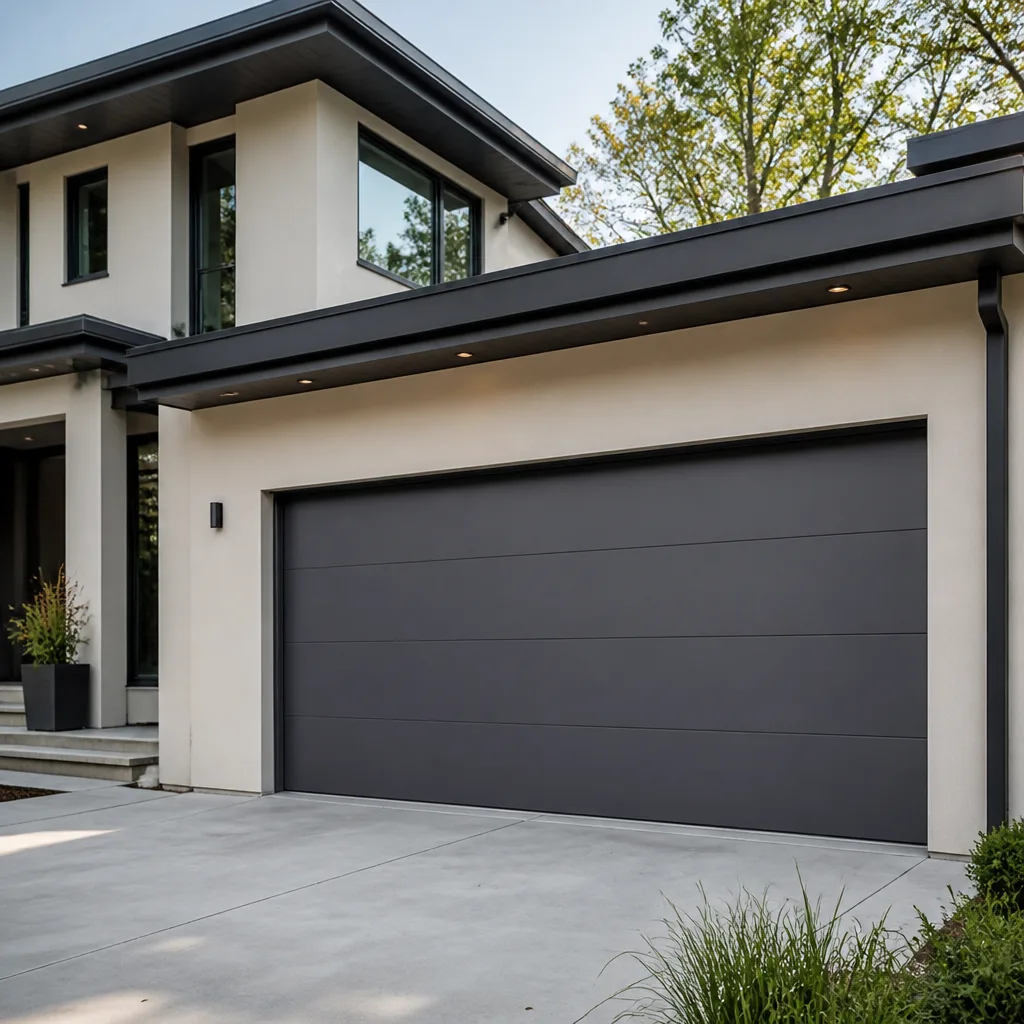 Modern flush
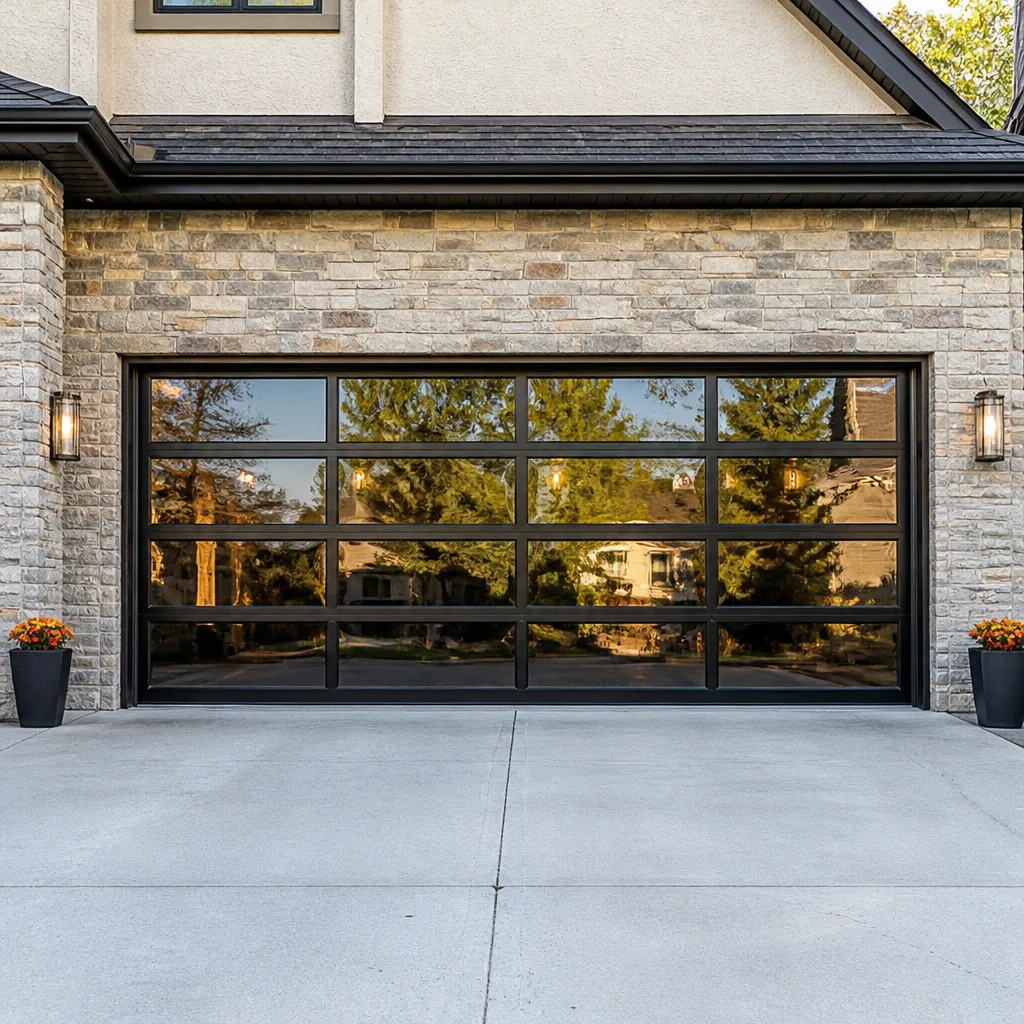 Full-view glass
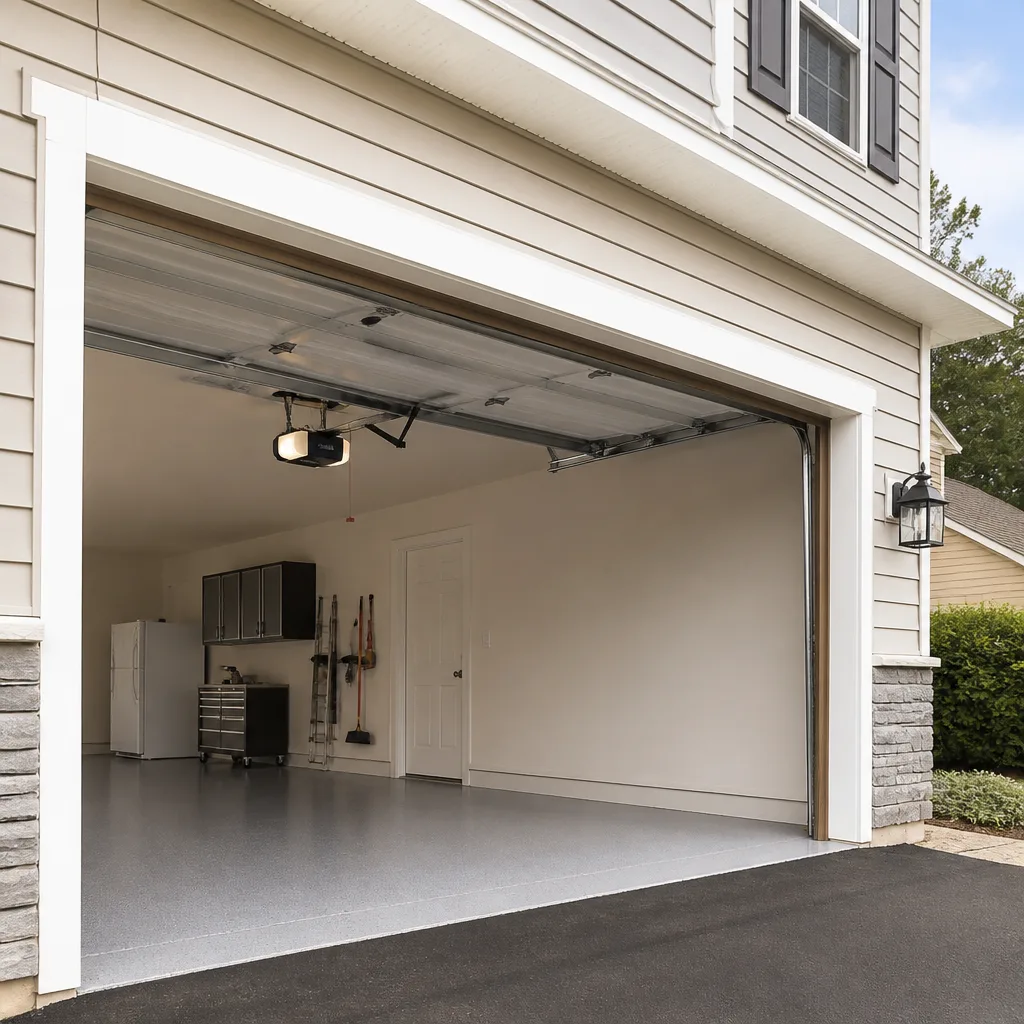 LiftMaster openers
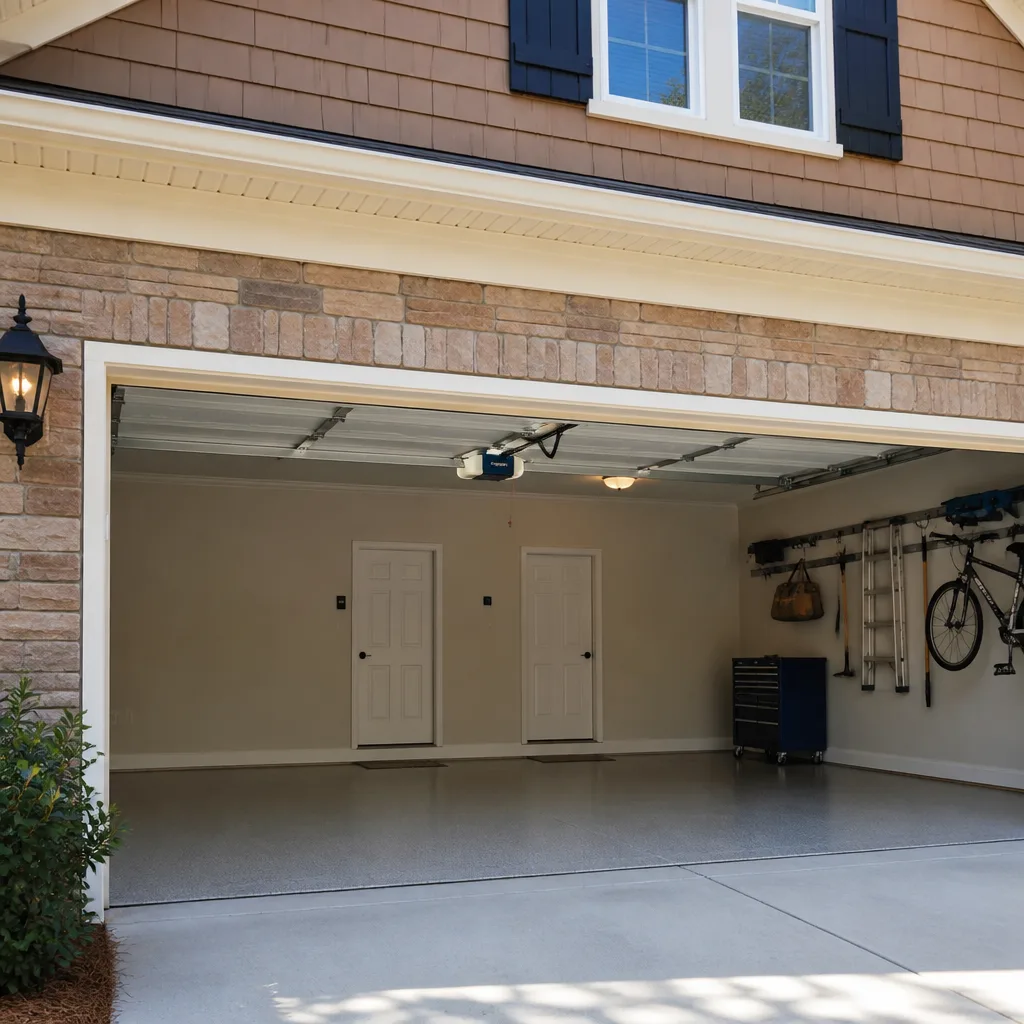 Chamberlain openers
Full 25-point door and opener safety check with every visit - springs, cables, rollers, tracks, and your LiftMaster or Chamberlain opener included
You get a price before we start. It does not change when the pro arrives.
Get your free estimateSeasonal Garage Door Care for Bethesda: Year-Round Homeowner’s Guide
The most common January service call we get in Bethesda isn’t a snapped spring. It’s a door that got a partial tune-up back in October, with lubricant sprayed on too late in the season to work its way into the cable drum before temperatures dropped. The door ran fine through November. Then the first hard freeze arrived, the grease stiffened into something closer to wax than oil, and the whole system started grinding against itself. Bethesda’s climate rewards homeowners who understand that garage door maintenance here follows weather events, not tidy seasons. This guide walks you through what actually matters, month by month, and why the standard four-season advice you’ll find online doesn’t quite fit this area.
Quick Answer
Garage door care in Bethesda needs to be scheduled around specific weather events rather than calendar seasons: a late-fall service window before the first sustained freeze, a spring check after the last freeze-thaw cycle, a mid-summer humidity inspection for wood and composite doors, and a pre-winter lubrication pass with the right viscosity product. Freeze-thaw cycling, not sustained cold, is what wears out hardware fastest here, so the maintenance calendar revolves around temperature swings. A professional tune-up twice a year, plus a quick monthly visual check you do yourself, covers nearly everything.
Styles & brands we work with
- Raised-panel steel
- Carriage house
- Modern flush
- Full-view glass
- LiftMaster openers
- Chamberlain openers
Table of Contents
- Why Bethesda’s Climate Is Harder on Garage Doors Than Colder Places
- The Freeze-Thaw Cycle and What It Does to Hardware
- Winter: Lubrication, Viscosity, and the Late-Season Mistake
- Summer Humidity: Swelling, Tolerances, and Track Alignment
- Fall: The Precise Window for Cable, Spring, and Weatherstrip Work
- After an Ice Storm: What to Do Before You Touch the Door
- What You Can Check Yourself and What Needs a Technician
- A Simple Year-Round Maintenance Calendar for Bethesda
Why Bethesda’s Climate Is Harder on Garage Doors Than Colder Places
It sounds backwards, but a garage door in Bethesda often takes more abuse than one in a place that stays below freezing all winter. Hardware tolerates steady cold reasonably well. What it handles poorly is repeated freezing and thawing, and that’s exactly what a typical Bethesda winter delivers. A January here might swing from 18°F at dawn to 45°F by afternoon, then back down below freezing overnight. Each of those swings works metal, seals, and lubricant a little harder.
Homes across the area feel this the same way, whether you’re in a neighborhood off Old Georgetown Road, near downtown Bethesda, or tucked into the rolling streets of Glen Echo and Chevy Chase. The door faces the same cycles no matter the ZIP, and the materials react the same way: expansion on the warm side of the swing, contraction on the cold side.
The practical takeaway is that Bethesda garage door owners should think in terms of transition events, not fixed dates. The maintenance calendar here is driven by three things:
- Late-winter freeze-thaw, which stresses cables, springs, and bottom seals through repeated expansion and contraction.
- Mid-summer humidity peaks, which affect wood and composite door sections and can slowly shift track alignment.
- The brief fall window before cold sets in, the best time of year for lubrication, cable inspection, and weatherstrip replacement.
Get those three touchpoints right and the door handles the rest. Miss them, and you’ll be dealing with the kind of wear that only shows up when something fails.
The Freeze-Thaw Cycle and What It Does to Hardware
Freeze-thaw cycling is the single biggest reason garage door hardware degrades faster in Bethesda than in climates with colder but steadier winters. When water gets into a joint, a cable strand, or a hinge and then freezes, it expands. When it thaws, it contracts. Do that dozens of times over a winter and metal fatigues, seals crack, and moving parts slowly loosen.
Here’s where the wear shows up first:
- Cables and cable drums. Moisture works into the strands, and the cycling stresses the tension. Cables aren’t something to inspect by feel alone, but a professional can spot fraying or corrosion early.
- Bottom weather seals. The rubber or vinyl seal at the floor takes the brunt of melting snow and refreezing. A cracked seal lets cold air and moisture under the door, which feeds the whole cycle.
- Hinges and rollers. Lubricant that isn’t rated for cold stiffens, the hinges stop moving freely, and the door operates with more resistance than it should.
- Springs. Torsion and extension springs endure constant load cycling, and temperature swings add to the fatigue. A spring that’s been running for years is more likely to fail during a cold snap than in mild weather.
The fix isn’t complicated. Have the door serviced after the last hard freeze, when a technician can check for damage the winter caused and correct tension, alignment, and lubrication before summer. If something does fail mid-winter, we handle garage door repair for exactly these cold-weather breakdowns and can work with your brand, whether that’s Clopay, Amarr, or another system.
Winter: Lubrication, Viscosity, and the Late-Season Mistake
The most common winter service call in Bethesda comes from lubricant applied too late in the season, at the wrong viscosity, to parts that needed it earlier. Here’s what happens: a homeowner sprays a standard consumer lubricant on the tracks and hinges in late November. The product goes on fine at 50°F. Then the temperature drops below 20°F, and that lubricant thickens until it no longer flows into the cable drum or the roller bearings. Instead of reducing friction, it adds drag.
Lubricant viscosity is the whole game in a climate with swings like ours. A product thin enough to penetrate at 20°F may not hold up in summer heat, and a heavy grease might be fine in one season and useless in another. Rather than chase a single magic product, the practical approach is:
- Lubricate before the cold sets in, not after. The window is late fall, when temperatures are still mild enough for the product to penetrate fully. Apply it when the door can then sit and let the lubricant settle before the first hard freeze.
- Use a garage-door-specific lubricant, not a general household spray. Generic sprays and household oils often fail below 20°F, which is a normal overnight low in Bethesda. A product designed for the cold keeps working.
- Focus on the moving parts. Hinges, rollers, the torsion spring (a light pass only), and the tracks get the attention. The cable drum needs care, but it’s a spot to leave to a trained hand rather than a spray can.
A note on that last point: if the door has been running loudly, or you’ve applied lubricant and the noise doesn’t improve, the problem may be deeper than a dry hinge. We work on garage door opener repair as well, and a motor straining against a cold-stiffened door is often the real cause of a grinding complaint.
Summer Humidity: Swelling, Tolerances, and Track Alignment
Bethesda humidity does a different kind of damage. Wood and composite door sections absorb moisture from the air and swell. A section that fits perfectly in April can be a fraction of an inch wider by July, and that fraction is enough to change how the door tracks.
What swelling actually does:
- Tightens tolerances. Individual panels can rub against each other, creating friction the opener has to overcome.
- Rattles. Once sections loosen again as they dry, the fit isn’t tight, so the door rattles on the way up and down.
- Shifts track alignment. Over repeated swelling seasons, the door can begin to ride off-center in the tracks. That misalignment shows up as occasional sticking, then as a door that no longer closes fully.
For homeowners with a Clopay or Wayne Dalton wood-composite door, summer swelling is worth watching. The good news is that it’s usually manageable with a humidity-aware routine: check the door’s movement on a humid morning, and if it’s dragging, have a technician assess track alignment before the wear becomes permanent. The fix is often a small adjustment, not a new door. We’ve seen a lot of doors passed off as “worn out” that simply needed their tracks re-aligned after a few humid summers.
For metal doors, summer is easier but not worry-free. The opener motor runs harder on a door with a misaligned track, and the added strain is a common reason openers age prematurely.
Fall: The Precise Window for Cable, Spring, and Weatherstrip Work
Fall is the best maintenance window of the year in Bethesda, but the timing matters more than most guides admit. The right window is before the first sustained freeze, not after the first frost is already on the ground.
Why the distinction matters: weatherstrip and lubrication both need to be applied in conditions that let the material settle properly. If you wait until December, the cold can keep the weatherstrip from seating correctly, and lubricant has less time to penetrate before the first freeze. Aim for a late-October or early-November service, when temperatures are reliably above freezing but the summer humidity is gone.
The fall checklist:
- Cable inspection. Look for fraying or rust where the cables meet the drum, and leave the actual inspection of the tension and the drum to a trained technician. Cables are under extreme tension and are not a DIY item.
- Spring lubrication. A light, brand-appropriate pass on the torsion or extension springs, timed for mild weather.
- Weatherstrip replacement. Replace a dried or cracked bottom seal before the cold makes the seal brittle. This is the single most effective thing you can do to keep cold air and moisture out through winter.
- Overall balance check. A door that’s gone out of balance over the summer will put extra strain on the opener through winter.
Springs are where we’d urge the most caution. A garage door spring is under enough tension to cause serious injury, and spring work is a safety job, not a DIY job. If a spring looks rusted or the door feels heavier than it should, our garage door spring repair technicians handle that specific repair, and it’s one of the most dangerous parts of the whole system to touch without the right tools.
After an Ice Storm: What to Do Before You Touch the Door
Bethesda sees its share of ice storms, and the hours right after one are when a frozen door is most likely to be damaged. The most important rule is simple: don’t force a frozen door open.
If your garage door is frozen shut or partially frozen after an ice storm:
- Don’t hit the opener button repeatedly. The motor will strain against the ice and can strip a gear or damage the opener’s drive system.
- Don’t pull the manual release cord from outside unless you’re certain it’s safe. A released door on a frozen track can come down suddenly.
- Clear ice from the seal and track gently where you can reach safely, but don’t hack at the rubber with a metal tool. You’ll tear it, and the seal is the door’s first defense against water.
- Call for help if the door won’t move freely. A trained technician can free a frozen door without damaging the tracks, cables, or springs.
What not to do: don’t pour hot water on the tracks, which can crack the seal and refreeze worse, and don’t try to force the door up by hand if it’s stuck. If the door fails after an ice storm and your car is trapped inside, our emergency garage door service is designed for exactly this situation, and it can’t wait for Monday. We answer 24/7, with fast dispatch from 7am to 7pm, Sunday through Friday.
What You Can Check Yourself and What Needs a Technician
Some garage door care is safely DIY, and some of it genuinely isn’t. Knowing the line keeps you safe and keeps small problems from becoming expensive ones. Our technicians have up to 9 years of experience, and the difference between a quick visual check and a service call is something any homeowner can learn.
What you can verify yourself, occasionally and without tools:
- Listen. A door that runs quietly is a healthy door. New squeaks, grinding, or rattling are worth noting and describing to a technician.
- Watch the balance. With the opener disconnected (only if you’re confident doing so), a balanced door should stay put partway open. If it drifts down, the springs are losing tension.
- Check the seal. A cracked or flattened weatherstrip at the floor is something you can see. Replacing it is a reasonable DIY job, and it makes a real difference in winter.
- Look for rust and debris. Rust on cables or the tracks, or debris in the tracks, is worth flagging.
What needs a professional:
- Springs and cables. Both are under extreme tension. Spring repair in particular has caused serious injuries to homeowners who tried it. Leave it to a trained technician with the right tools.
- Opener motor or electrical work. Diagnosing a failing opener or its wiring is a job for a technician.
- Track realignment. A door that’s riding off-center needs its tracks assessed, not banged back into place.
When you call, our garage door repair team can tell you whether a problem is routine or urgent. We handle LiftMaster, Chamberlain, Genie, Clopay, Amarr, Wayne Dalton, Craftsman, and Raynor systems, and we diagnose by brand-specific logic, not guesswork.
A Simple Year-Round Maintenance Calendar for Bethesda
The maintenance calendar that works here is built around weather events rather than fixed dates. Here’s the version we share with homeowners across Bethesda, from the neighborhoods near Bethesda Row to those closer to Cabin John and Potomac. It’s the same schedule whether your door is a Craftsman system you installed years ago or a newer Raynor.
Late fall (before the first sustained freeze): Schedule a full service. This is the year’s most important visit, covering cable inspection, spring lubrication, weatherstrip replacement, and a balance check.
Mid-winter (after the first hard freeze): A quick check-in. Listen for new noises, watch the seal, and call if the door feels heavier or won’t close cleanly.
Spring (after the last hard freeze): Have the door serviced again. This is when a technician checks for winter damage and corrects tension and alignment.
Summer (mid-July humidity peak): Watch wood and composite doors for swelling. A dragging door on a humid morning is worth a service call, before the wear becomes permanent.
Year-round, monthly: A quick visual check and a listen. Ten minutes a month catches most developing problems early.
If you’d rather not track it yourself, we can work with you on a twice-a-year schedule that lines up with those transition points. Whether it’s garage door opener repair or a full tune-up, the timing matters as much as the repair.
Common Mistakes to Avoid
- Applying lubricant too late in the season. This is the most common winter mistake in Bethesda. Lubricant sprayed in December doesn’t penetrate before the cold locks it up. Apply it in late fall, while temperatures are still mild.
- Using a general household spray instead of a garage-door lubricant. Consumer-grade sprays that aren’t rated for cold often stop flowing below 20°F, which is a normal Bethesda overnight low. The result is a door that binds instead of gliding.
- Forcing a frozen door open. After an ice storm, hitting the opener repeatedly or yanking the door by hand can strip the opener gears, bend tracks, or damage the seal. Wait for it to free up or call for help.
- Ignoring summer swelling. A door that drags on a humid morning is signaling a problem. Left alone, it can shift the tracks permanently and cause uneven wear on the opener.
- Treating springs or cables as a DIY job. Both are under extreme tension. A failed spring can cause serious injury, and a slipped cable can drop a door. These are the repairs that warrant a trained technician with the right tools.
- Skipping the fall weatherstrip replacement. A cracked seal lets water and cold air into the door’s moving parts, feeding the freeze-thaw cycle all winter. It’s a small job that prevents larger ones.
- Assuming a noisy door is normal. Grinding, squealing, or a heavy sound on the way up usually means something’s binding, often a combination of cold-stiffened lubricant and a part that needs attention.
See the difference
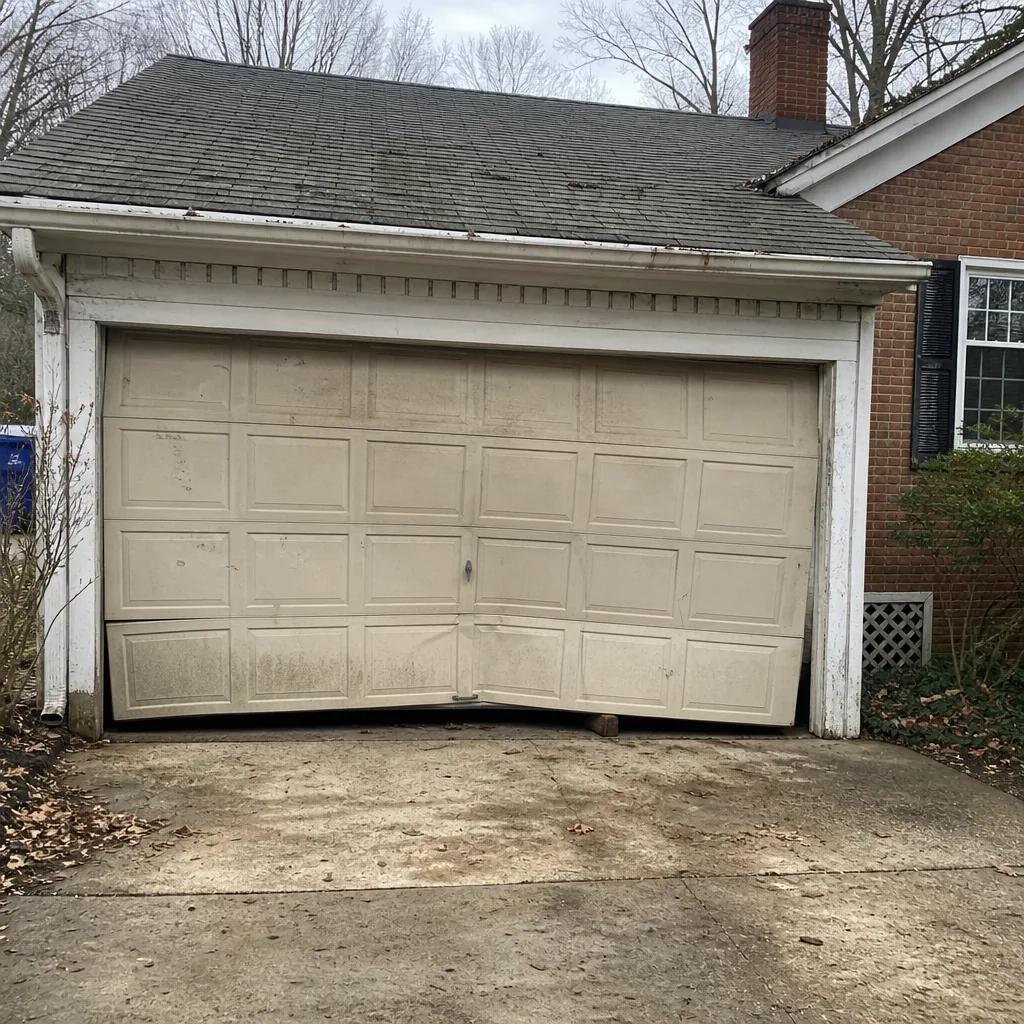 Before
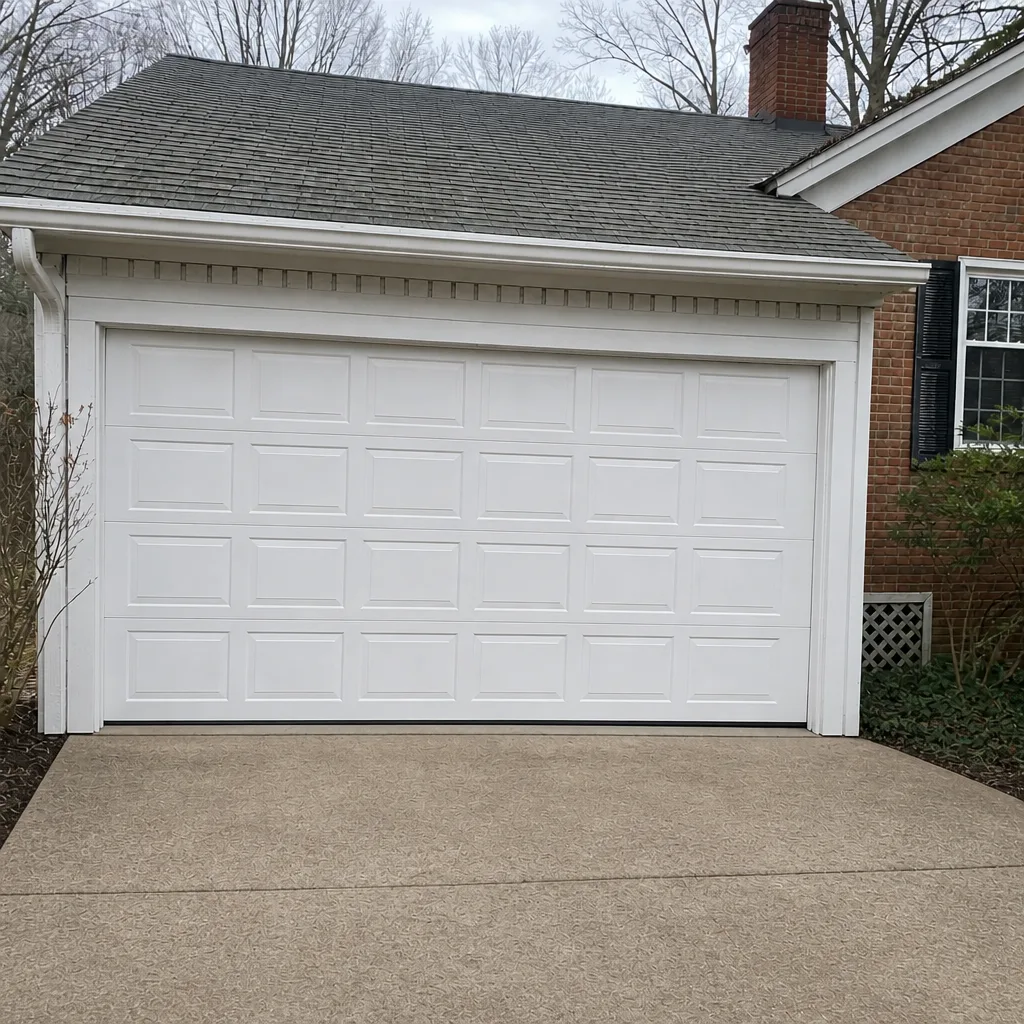 After
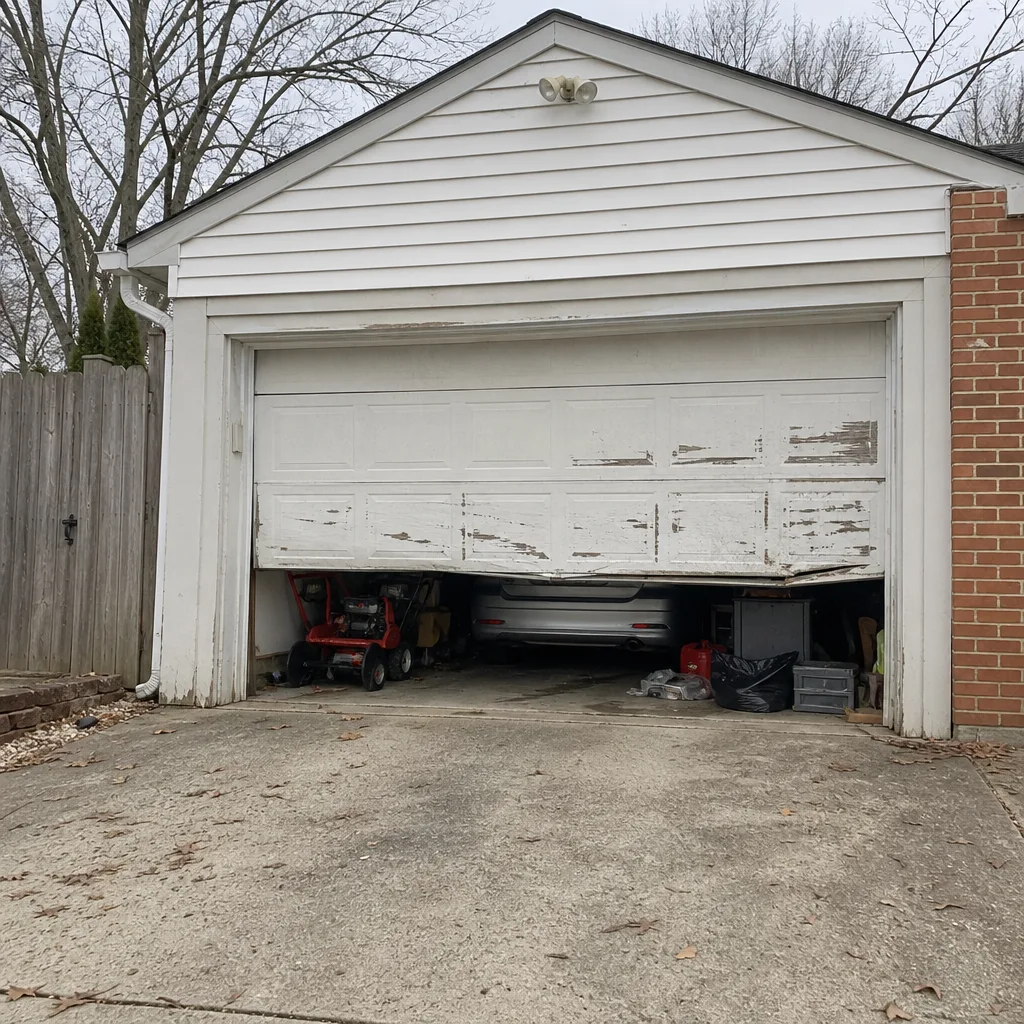 Before
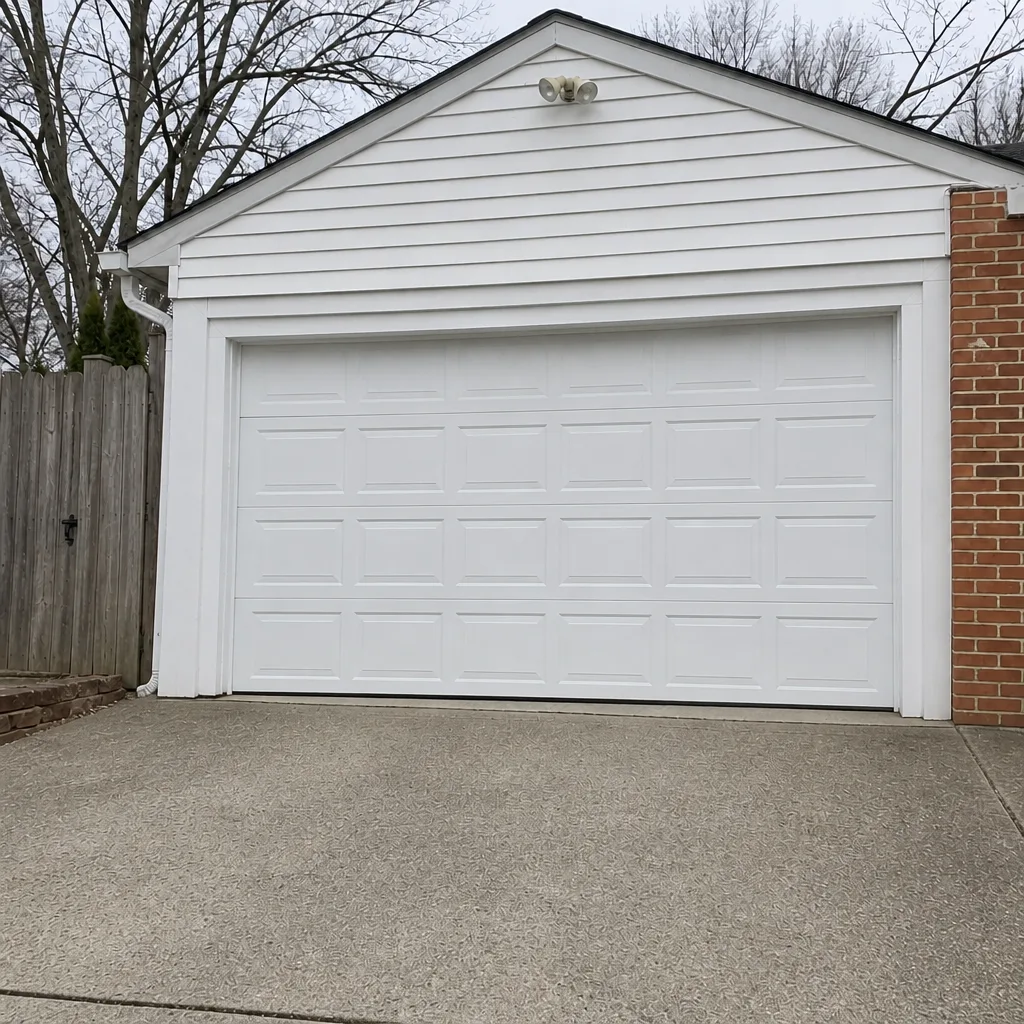 After
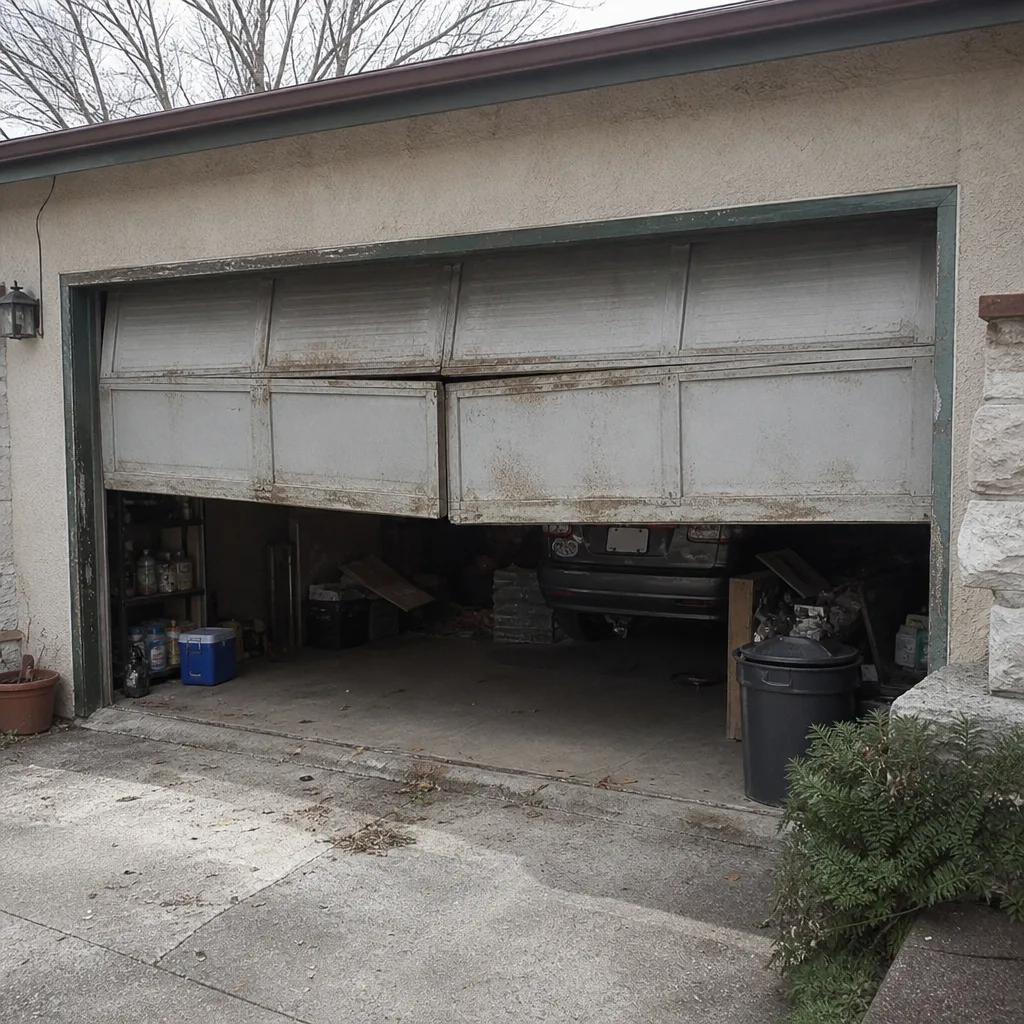 Before
 After
When to Call a Professional
Some problems are worth a phone call right away, and some can wait until a scheduled service. Call a professional immediately if a spring has visibly broken (the door will be heavy or won’t open), if a cable has snapped or come off the drum, if the door is stuck partway open, if the door came down hard or at an angle, or if a frozen door won’t free up after an ice storm. These are safety issues, and some of them leave the garage unsecured until they’re fixed. For routine care, a twice-yearly service scheduled around the fall and spring transition points will cover almost everything else. Bethesda Garage Door Repair Pros offers free estimates in Bethesda. Call (855) 550-7635. We answer 24/7, with fast dispatch from 7am to 7pm, Sunday through Friday. The price is set per job by the written estimate, and the estimate is free.
Frequently Asked Questions
Twice a year covers most homes here: once in late fall before the first sustained freeze, and once in spring after the last hard freeze. That schedule lines up with the two biggest stress periods for hardware, the freeze-thaw cycle and the transition into summer humidity. A quick monthly visual check in between catches problems early. Call (855) 550-7635 for an exact quote. Estimates are free.
Late October to early November is the best window. That’s when temperatures are still mild enough for lubricant to penetrate and weatherstrip to seat properly, but the summer humidity has passed and the first hard freeze is still ahead. Waiting until December means the cold can interfere with both, which is the most common seasonal mistake we see. Call (855) 550-7635 to schedule before the freeze sets in.
The freeze is usually the trigger, not the cause. Most doors that fail in the first cold snap had a part that was already worn, plus lubricant that was applied too late or was the wrong viscosity for the temperature. The cold stiffens the lubricant and adds resistance, which pushes an already-marginal part over the edge. Call (855) 550-7635 and we’ll diagnose whether it’s the opener, the springs, or a lubrication issue.
We don’t recommend it. General-purpose sprays and household oils often fail below 20°F, which is a normal overnight low in Bethesda. Use a garage-door-specific lubricant designed to keep flowing in cold weather, and apply it in late fall, not mid-winter. If you’re not sure what to buy, our technicians can recommend the right product for your door and opener. Call (855) 550-7635.
On a wood or composite door, that’s typically summer swelling. The door sections absorb moisture from humid air and expand, tightening the clearances and adding friction. Small swelling is normal, but a door that consistently drags needs its track alignment checked before the wear becomes permanent. Call (855) 550-7635 for an assessment; the fix is often a small adjustment, not a new door.
The local professionals we connect you with are licensed and insured as their state requires. Our technicians have up to 9 years of experience, and we work across all the major brands, including Clopay, Amarr, Wayne Dalton, and Craftsman. If you’re not sure whether your issue needs a repair or a spring replacement, call (855) 550-7635 and we’ll walk you through it. Estimates are free.
The Bottom Line
Garage door care in Bethesda is less about following a generic seasonal checklist and more about timing your maintenance to the local weather. The fall window before the first freeze is the most important service point of the year, freeze-thaw cycling is harder on hardware here than sustained cold, summer humidity needs watching on wood and composite doors, and a frozen door after an ice storm should never be forced open. Get those few things right – an autumn tune-up, a spring check, a mid-summer look, and careful handling after a storm – and your door stays quieter and lasts longer. When something does go wrong, we handle garage door repair and every related service, from a snapped spring to a full new installation.
Contact
If you’d like help putting a maintenance plan together, or your door needs attention right now, we’re here. Call Bethesda Garage Door Repair Pros at (855) 550-7635 for a free estimate. We answer 24/7, and fast dispatch from 7am to 7pm, Sunday through Friday, gets a technician to you when the door can’t wait. Our local pros work on your brand, whether it’s a LiftMaster opener you’ve had for years or a Clopay door you’re installing for the first time. We diagnose by brand, schedule around the weather, and leave you with a written price before any work starts.
Written by the team at Bethesda Garage Door Repair Pros.