
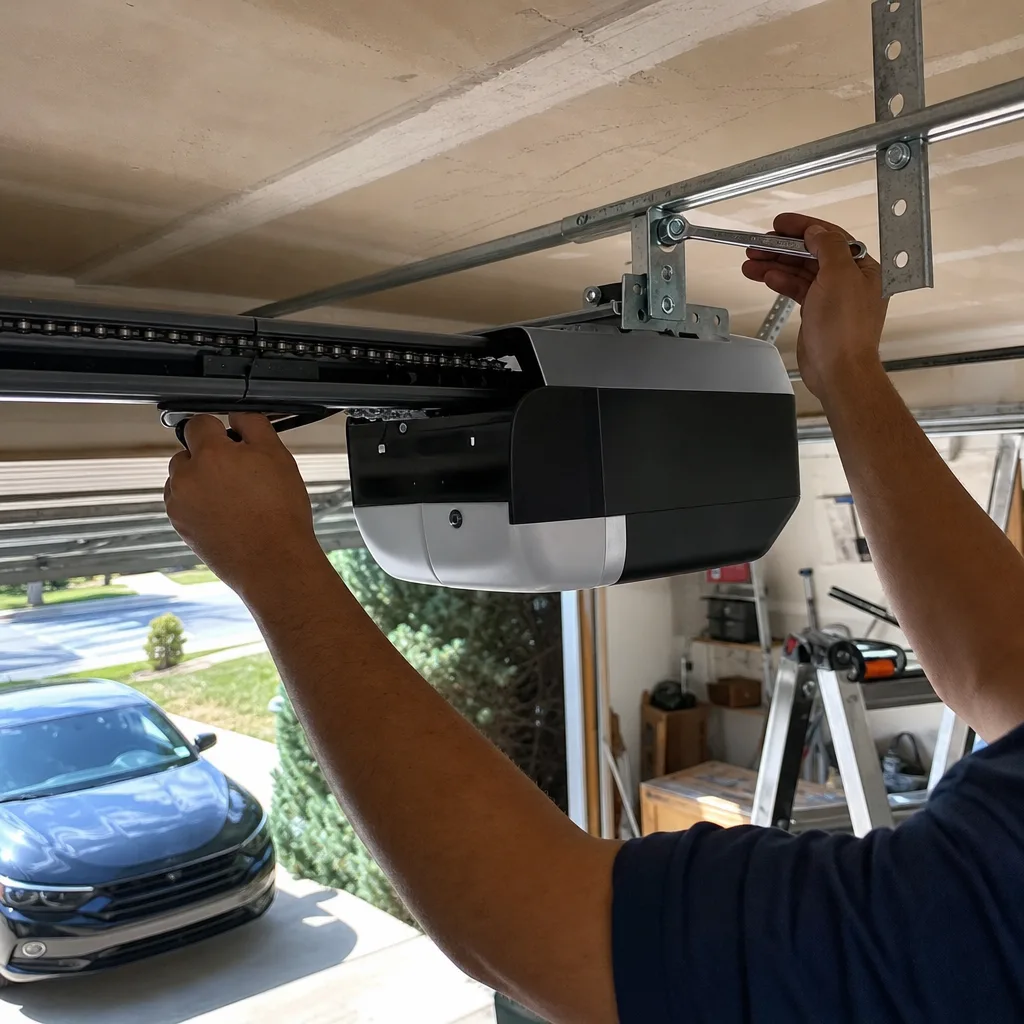
Last updated November 23, 2026
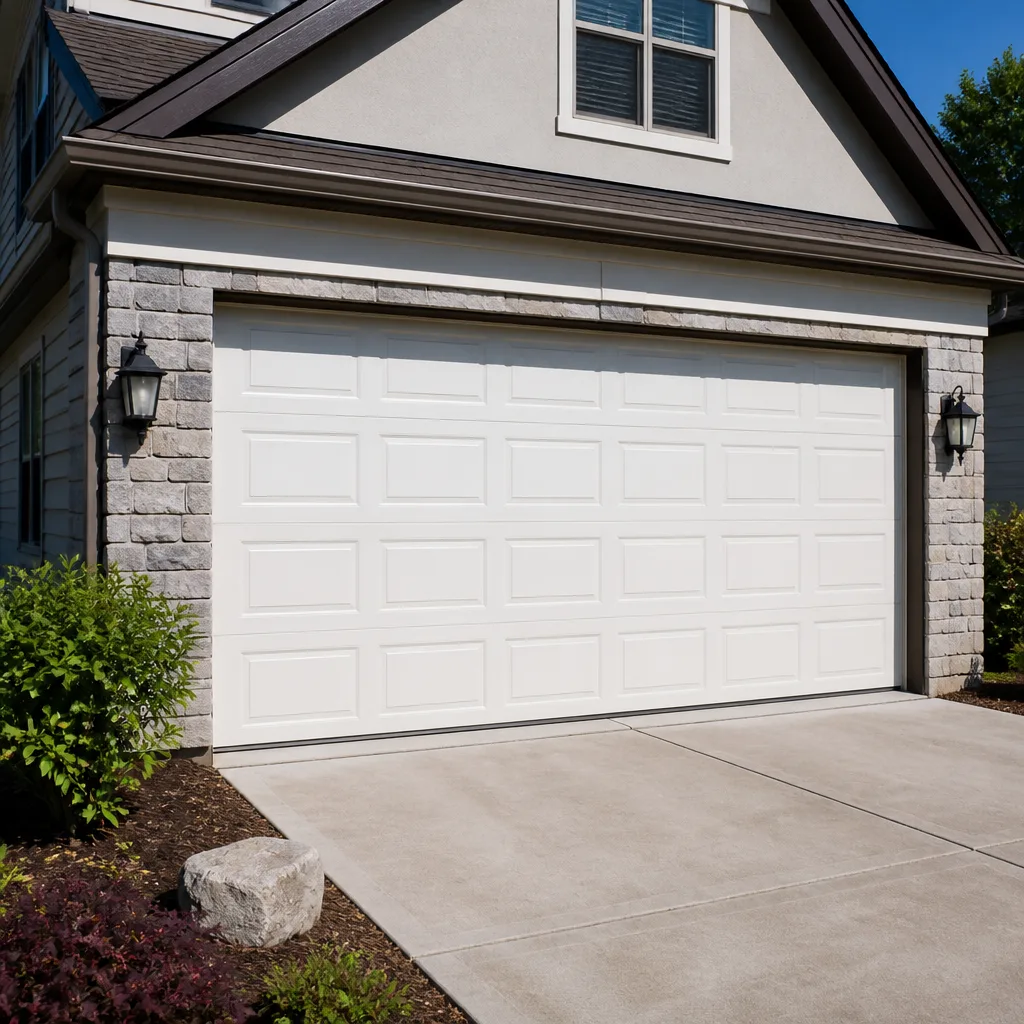 Raised-panel steel
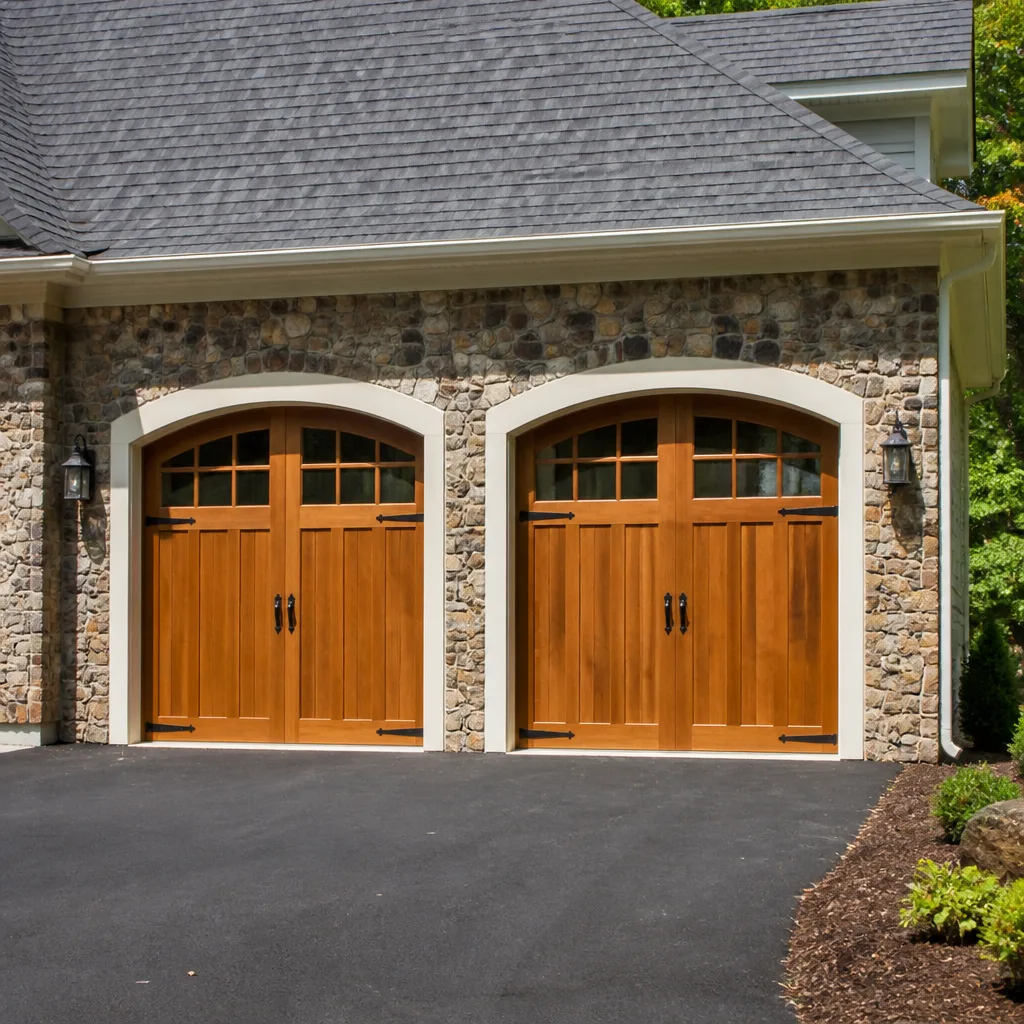 Carriage house
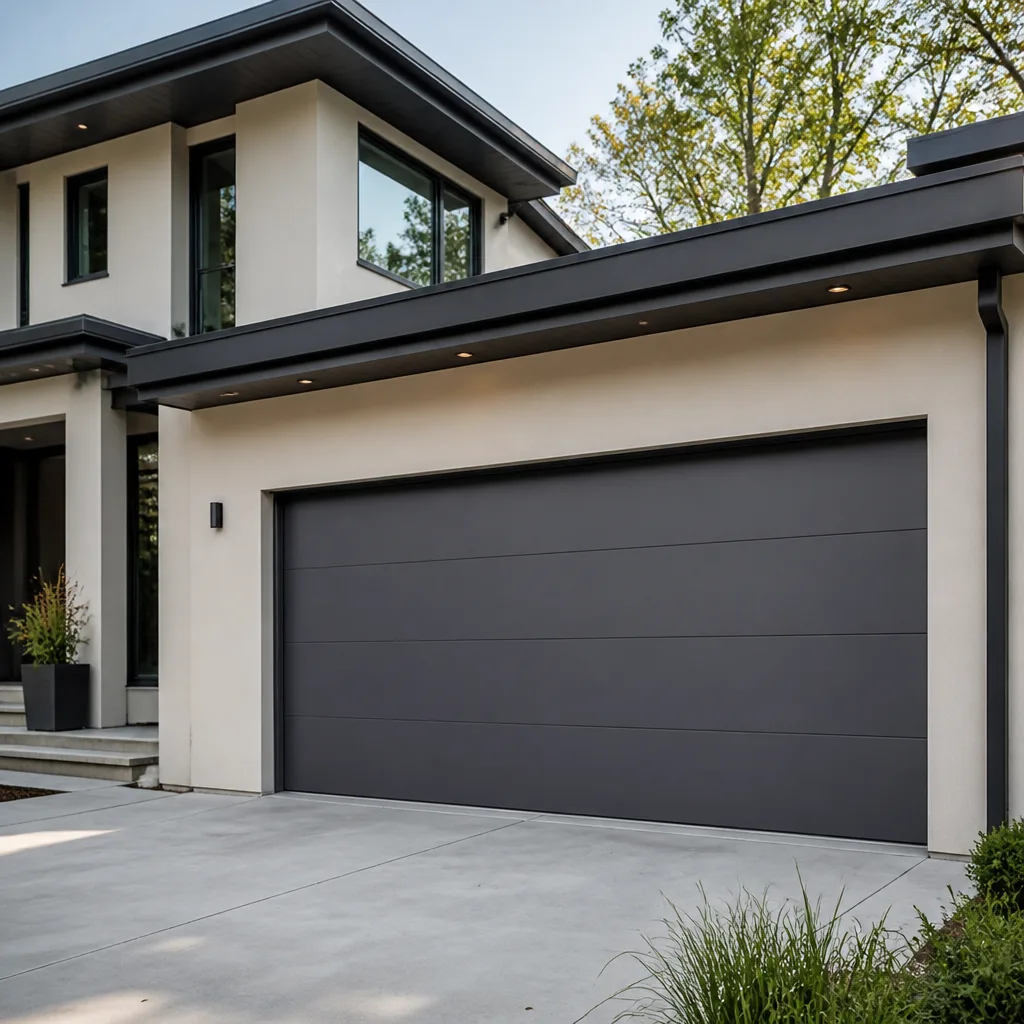 Modern flush
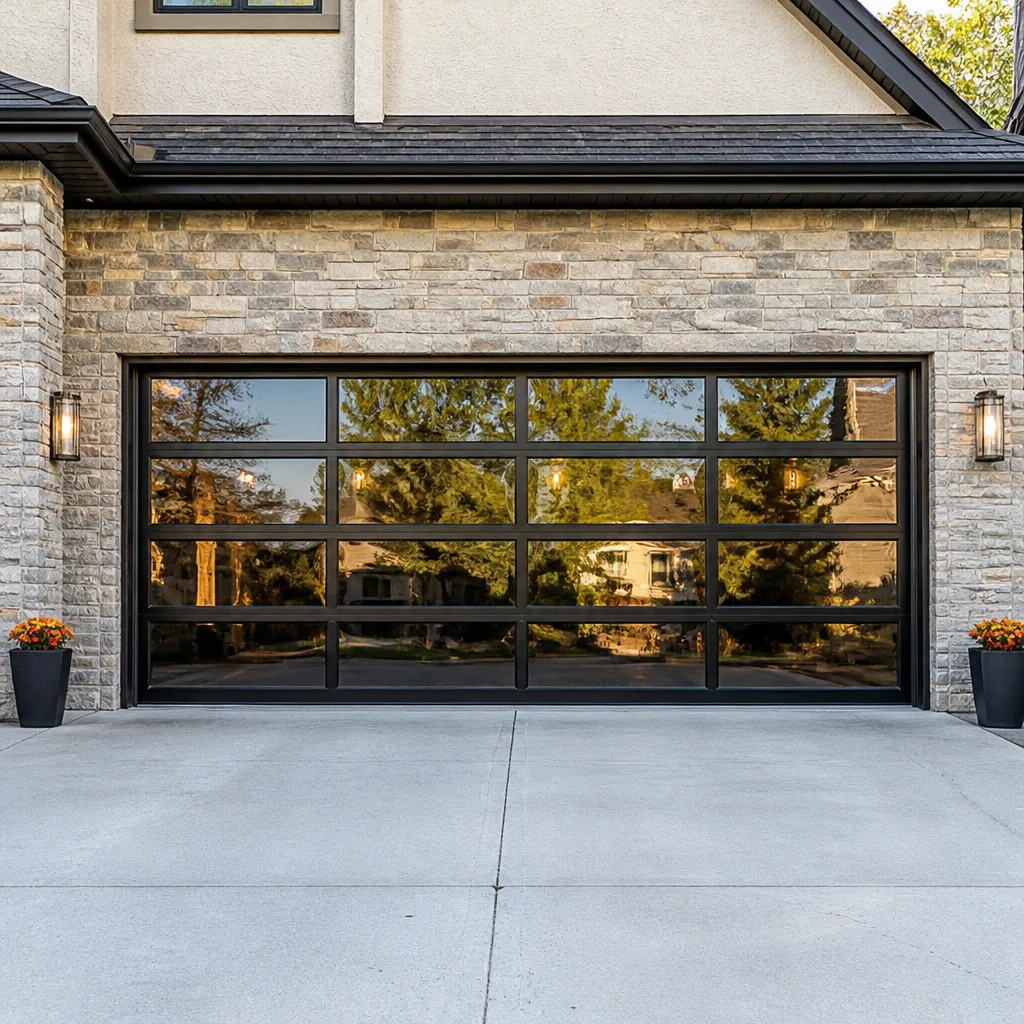 Full-view glass
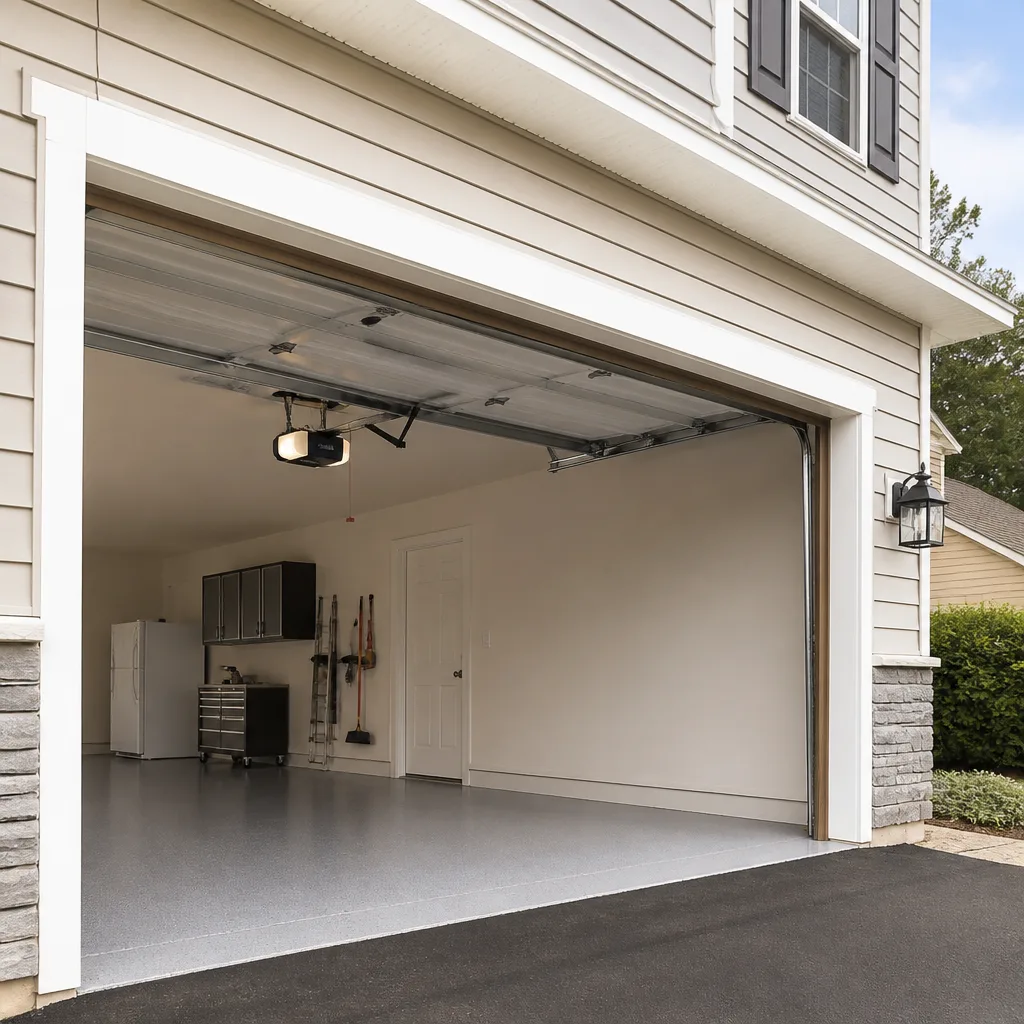 LiftMaster openers
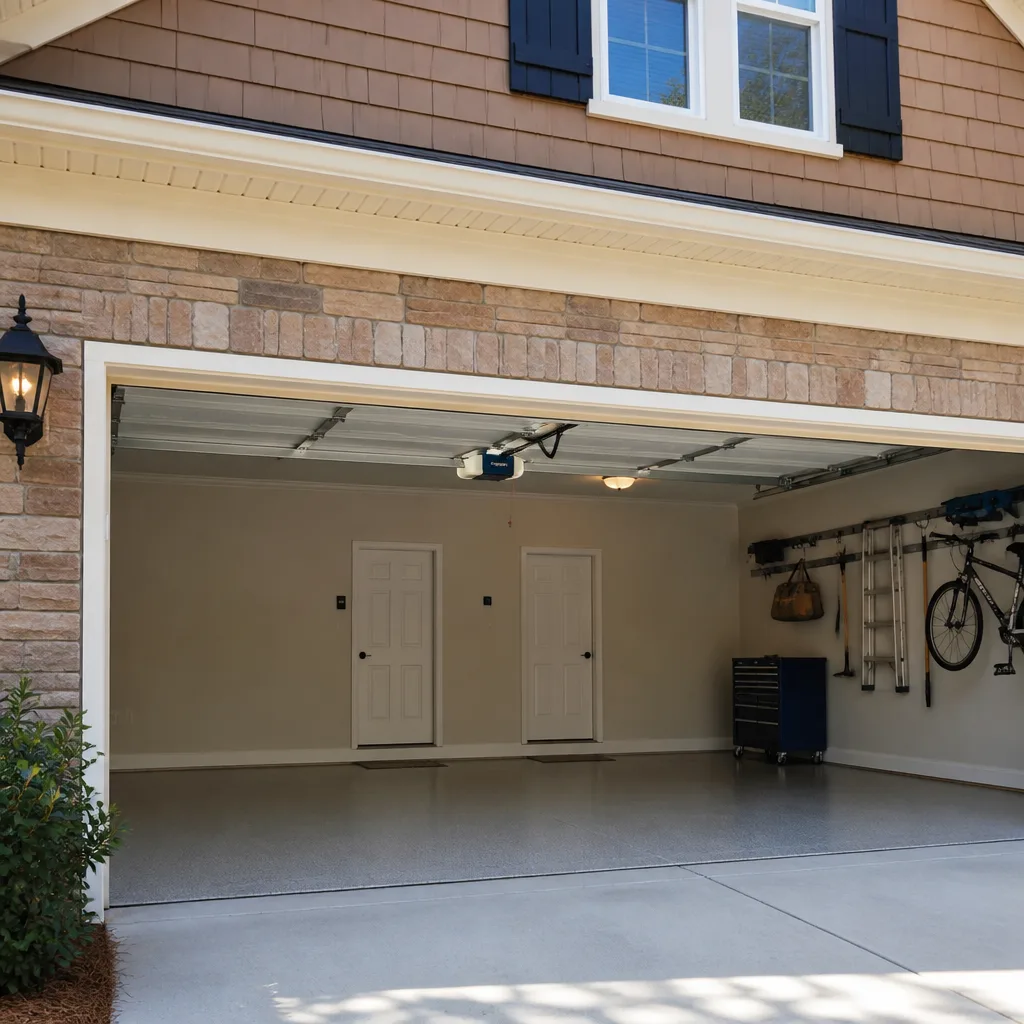 Chamberlain openers
Full 25-point door and opener safety check with every visit - springs, cables, rollers, tracks, and your LiftMaster or Chamberlain opener included
You get a price before we start. It does not change when the pro arrives.
Get your free estimateHow to Hire a Garage Door Contractor in Bethesda: A Step-by-Step Guide
A contractor who services garage doors a few times a month handles the mechanism differently than one who works on them every day. The gap rarely shows on a website. In Bethesda’s crowded home-services market, plenty of handyman services and HVAC companies list garage doors as a side offering, and from a screenshot their page looks the same as a specialist’s. The tells are in the details: whether they can name their certifications by brand, whether they measure the opening before quoting, and whether they’ll put a Maryland Home Improvement Commission license number on paper. This guide gives you the exact steps and questions to sort the two apart before you sign anything.
Quick Answer
To hire a garage door contractor in Bethesda, verify an active MHIC license through the state’s database, confirm brand-specific parts and warranty knowledge, get a written contract with itemized part numbers, and ask whether springs and openers are handled in-house or subcontracted. Require a written estimate given after the opening is actually measured. A dedicated garage door specialist will answer these questions directly. A generalist padding a service menu usually can’t.
Styles & brands we work with
- Raised-panel steel
- Carriage house
- Modern flush
- Full-view glass
- LiftMaster openers
- Chamberlain openers
Table of Contents
- Step 1: Verify the MHIC License
- Step 2: Ask the Brand Certification Questions
- Step 3: Read the Written Quote Carefully
- Step 4: Evaluate Reviews for Garage Door Work Specifically
- Step 5: Know What a Legitimate Contract Must Include
- The Specialist vs. Generalist Checklist
- Common Mistakes to Avoid
- When to Call a Professional
Step 1: Verify the MHIC License
Anyone performing home improvement work for pay in Maryland must hold an active contractor license through the Maryland Home Improvement Commission. That includes garage door installation and most repairs. The license lookup is free and public, and it takes about two minutes. Skipping it is the single biggest mistake Bethesda homeowners make.
Here’s the process:
- Ask the contractor for their MHIC license number before any site visit.
- Go to the Maryland Home Improvement Commission’s online license search.
- Enter the number and confirm the status is active, the name matches the person or business quoting you, and there are no open disciplinary actions.
- Check that the license covers the type of work being quoted.
- Write the license number into your copy of the estimate so it’s on record.
Why does this matter so much in Bethesda? Because an unlicensed contractor changes your legal position. If work is done by someone without a valid MHIC license and something goes wrong, you may have limited recourse through the state’s guaranty fund, which exists specifically to help homeowners recover losses from licensed contractors who fail to perform. You also carry more of the liability if a worker is injured on your property and the contractor doesn’t carry proper coverage. The state’s complaint and enforcement process only applies to licensed contractors.
An unlicensed operator will often deflect when asked for a number, or offer a PO box and a cash price. Both are reasons to walk away. The verification step costs nothing, and it’s the fastest filter you have for separating legitimate Bethesda garage door contractors from people who should be doing something else entirely.
Step 2: Ask the Brand Certification Questions
Garage doors aren’t a generic product. A Clopay door, an Amarr door, and a Wayne Dalton door each have their own hardware, and the openers that drive them vary even more. Brand certification matters because it affects three things: whether the contractor can source the right replacement parts quickly, whether the manufacturer will honor the warranty, and whether the technician actually understands how that specific system is supposed to behave.
When you interview contractors, ask these questions directly:
- Which brands do you work with regularly?
- Do you have a dealer or certified-technician designation with those manufacturers?
- Can you get replacement panels and hardware for my door’s model, or will you have to substitute?
- If a repair involves my opener, will you use the manufacturer’s parts and does that keep my warranty intact?
- Who actually does the work: your technicians or a subcontractor?
A specialist can answer these without hesitation. In our experience, the answers reveal whether the contractor has real depth with your system or is planning to figure it out on the job. A Craftsman opener that’s been in a Bethesda garage for a decade has specific quirks, and a technician who has worked on hundreds of them knows where to look first instead of cycling through guesses.
The warranty piece is the one homeowners underestimate. If parts are substituted and the manufacturer later denies a claim, you’re holding the bill. Dealership and certification status usually determines whether the manufacturer backs the work. A generalist who “can get the part” from a supply house won’t necessarily preserve that protection. We work on your brand because it’s the only way to diagnose by brand-specific logic rather than trial and error.
Step 3: Read the Written Quote Carefully
The estimate is where specialists and generalists separate most clearly. A legitimate garage door quote is specific. A padded one is vague on purpose. Look for these warning signs:
- No measurement noted. If the estimate was prepared without anyone measuring your actual opening or confirming the door model, it isn’t a real estimate. It’s a guess with a number attached.
- Vague line items. “Spring replacement – $X” tells you nothing. A proper quote names the spring, its wire size, and whether it’s one spring or a matched pair.
- Missing part numbers. Ask for the manufacturer part number on any hardware or opener component being replaced. A contractor who can’t produce one is either substituting or guessing.
- Lump-sum pricing with no breakdown. You should see labor and parts separated, or at minimum an itemized description of what’s included.
- A price quoted over the phone without seeing the door. A ballpark is fine as a starting point. A firm number is not.
One thing worth understanding: garage door springs are sold and priced per spring. If your door uses a matched pair and both are being replaced, the price reflects two springs. A quote that seems unusually low may be pricing one spring when the job calls for a pair, or it may not account for the correct size. Ask directly: how many springs, and what size?
Finally, make sure the price is quoted and agreed before any work starts. The written estimate should be the price, not a starting point subject to change once the truck is in the driveway. If something unexpected comes up during the work, a reputable contractor stops and explains before proceeding, not after the invoice is printed. For a closer look at what repair work typically involves, see our page on garage door repair.
Step 4: Evaluate Reviews for Garage Door Work Specifically
A high star count means very little if the company also does HVAC, plumbing, and handyman work and most of its reviews are about those jobs. You want evidence they’ve done garage door work, and done it well, in Bethesda and nearby.
Here’s how to read reviews with a garage door filter:
- Search the review text for the words “garage door,” “spring,” “opener,” “panel” and your door or opener brand.
- Look at the dates of the garage-door-specific reviews. A company with three great door reviews from five years ago and forty plumbing reviews since may no longer do the work.
- Check whether reviewers mention that the technician diagnosed the problem correctly the first time. Misdiagnosis is the most common complaint in this trade.
- Look for complaints about pricing changing after the estimate, or about parts being substituted.
- Watch for patterns: multiple reviewers describing the same problem is more informative than one enthusiastic five-star review.
Cross-reference across at least two platforms. In a Bethesda market this competitive, inflated review scores on companies that primarily do another service are easy to find. What you’re looking for is a consistent trail of specific garage door work. If a company can’t show you a review from someone who had a spring replaced or an opener diagnosed, proceed with caution. For more on how we handle the diagnostic side, see garage door opener repair.
Ask about the company in your own conversations too. Bethesda is a community where neighbors compare notes. A word from someone in your immediate area who had a door serviced recently is often more valuable than a hundred vague online reviews.
Step 5: Know What a Legitimate Contract Must Include
Maryland contractor law requires a written contract for home improvement work above a set dollar threshold, and a garage door repair or installation is a home improvement contract. The document isn’t a formality. It’s your protection if anything goes wrong. Here’s what a legitimate contract for garage door work should contain:
- The date of the contract and the name and address of the contractor (not just a phone number).
- The MHIC license number. Verify it matches the state database.
- A description of the work to be performed. This is where part numbers and sizes belong.
- The materials to be used, including brand and model where relevant.
- The total price and the payment schedule. Never pay the full amount up front.
- The date of substantial completion.
- The right to cancel, per your statutory rights. Do not sign anything that waives or shortens this right.
- Any warranty terms, in writing, including whether the manufacturer’s warranty is being preserved.
- The signatures of both parties.
Under Maryland law you generally have a short window after signing a home improvement contract to cancel without penalty, and the contract can’t be used to waive that. If a contractor asks you to sign something that excludes or shortens the cancellation right, do not sign it.
The contract also needs to match the quote. Any line item that appears in the estimate but not the contract, or vice versa, is a problem. Read both side by side before you sign.
The Specialist vs. Generalist Checklist
Use this as a quick reference when you’re comparing Bethesda garage door contractors. A dedicated specialist should clear most or all of these. A generalist adding the service to their menu will stumble on several.
- Single-trade focus. Garage door repair, opener repair, spring repair, installation and emergency service all live in the same category. The company isn’t also selling HVAC, plumbing, roofing, or general handyman work.
- Named brand capability. They can work on major brands like Clopay, Amarr, Wayne Dalton, and the opener brands that run them, and they can produce part numbers.
- Spring repair as named specialty. This is the highest-risk repair in the trade, and a specialist will say so directly. Spring repair is a safety job, not a DIY job.
- Emergency service that’s a real offering. When the door won’t open and your car is inside, or the door is stuck partway and the house is unsecured, the company has a dispatch process.
- Full cycle from repair to installation. They can handle everything from a snapped spring to a full new door, so you don’t need a second call when a door is beyond saving.
- Written estimate after measuring. No phone-only pricing, no ballpark treated as a firm number.
- Active MHIC license. Verified, and printed on the contract.
Why does single-trade focus matter? Because expertise concentrates. A technician who installs two doors a week, diagnoses springs, and troubleshoots openers day after day sees the failure modes repeatedly, and pattern recognition is what separates a quick correct diagnosis from a long trial-and-error visit that winds up costing you more. Your garage door is your home’s largest moving part, and it’s engineered as a system. That system deserves a specialist.
Common Mistakes to Avoid
- Choosing on price alone. A low bid often means one spring when the door needs two, or aftermarket parts that void the warranty. Compare what’s actually included, not just the bottom line.
- Not verifying the MHIC license. In Bethesda, plenty of door work is done by unlicensed operators. Without an active license, you have limited recourse if something goes wrong. It’s a two-minute check.
- Accepting a phone estimate as a firm price. An accurate quote requires measuring the opening and confirming the door and opener model. A phone number is an opening bid at best.
- Ignoring the brand question. If the contractor can’t name the brands they’ve worked on or produce a part number, they haven’t demonstrated capability with your system.
- Skipping the written contract. Maryland contractor law protects you, but only if the paperwork exists and includes the required elements. No contract, no protection.
- Letting a generalist try spring work. Springs are under extreme tension and can cause serious injury if handled incorrectly. A handyman who “does doors too” is a liability on spring work.
- Assuming one review speaks for the company. Look for a pattern of specific garage door reviews in Bethesda. One great review may be luck. Twenty consistent ones tell a story.
When to Call a Professional
Some garage door problems are obvious. Others show up as symptoms you might dismiss. Call a professional when any of these are true: your door won’t open and your car is trapped inside; the door rises partway and stops; the door is visibly crooked or off its track; you hear a loud snap from the garage; a spring is visibly broken; the opener runs but the door doesn’t move; the door reverses for no reason; or the door is sagging and you can see a gap at the floor. Springs, cables, and door weight are not DIY territory. The risk of serious injury is real, and the mechanism is under high tension even when the door is closed. If you’re unsure, treat it as a professional job and get it looked at. We offer free estimates in Bethesda. Call (855) 550-7635.
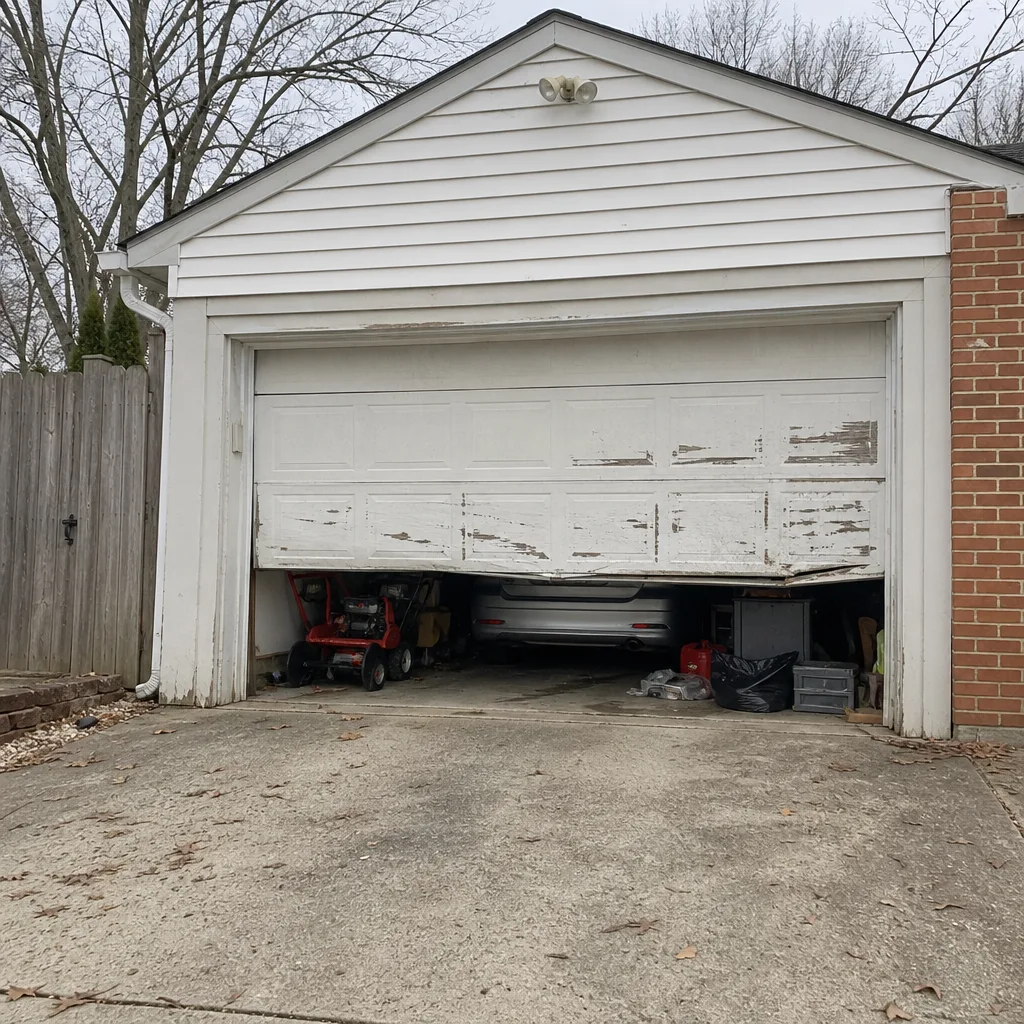
See the difference
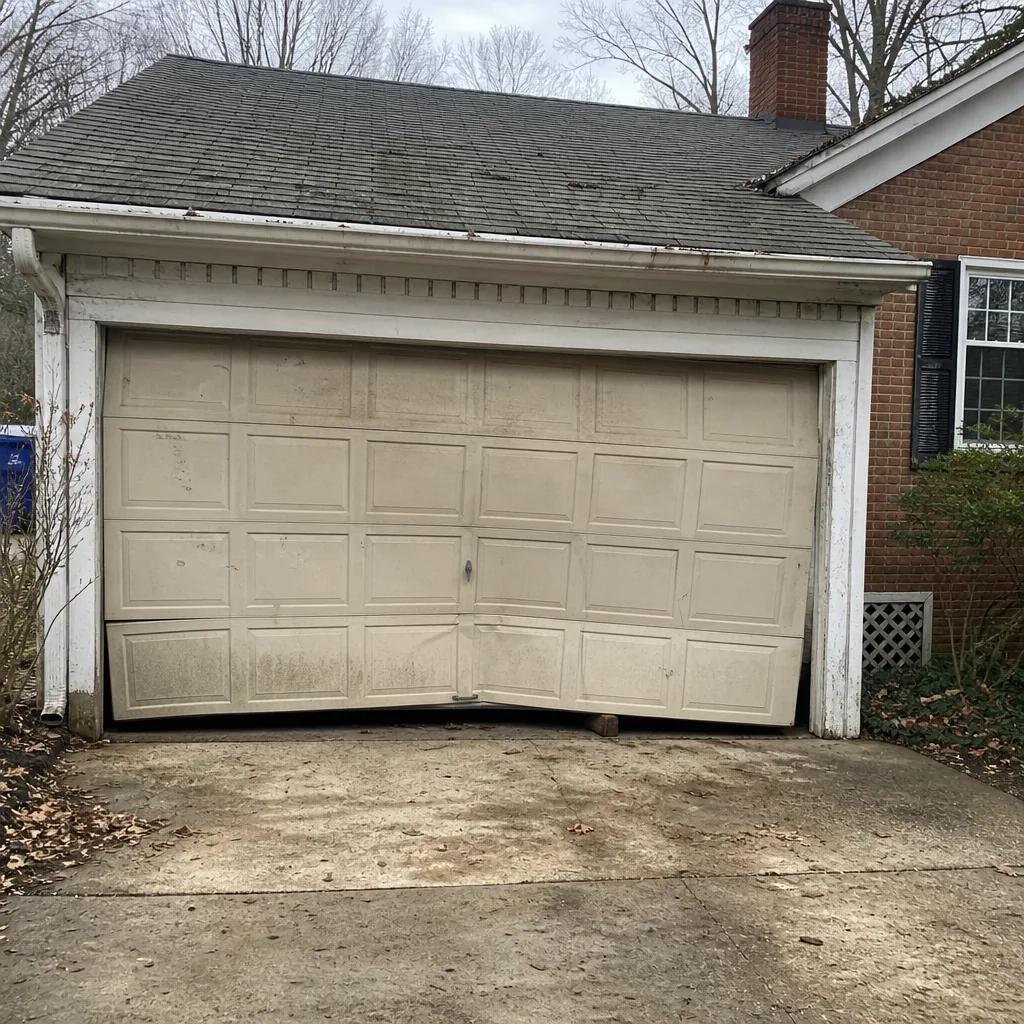 Before
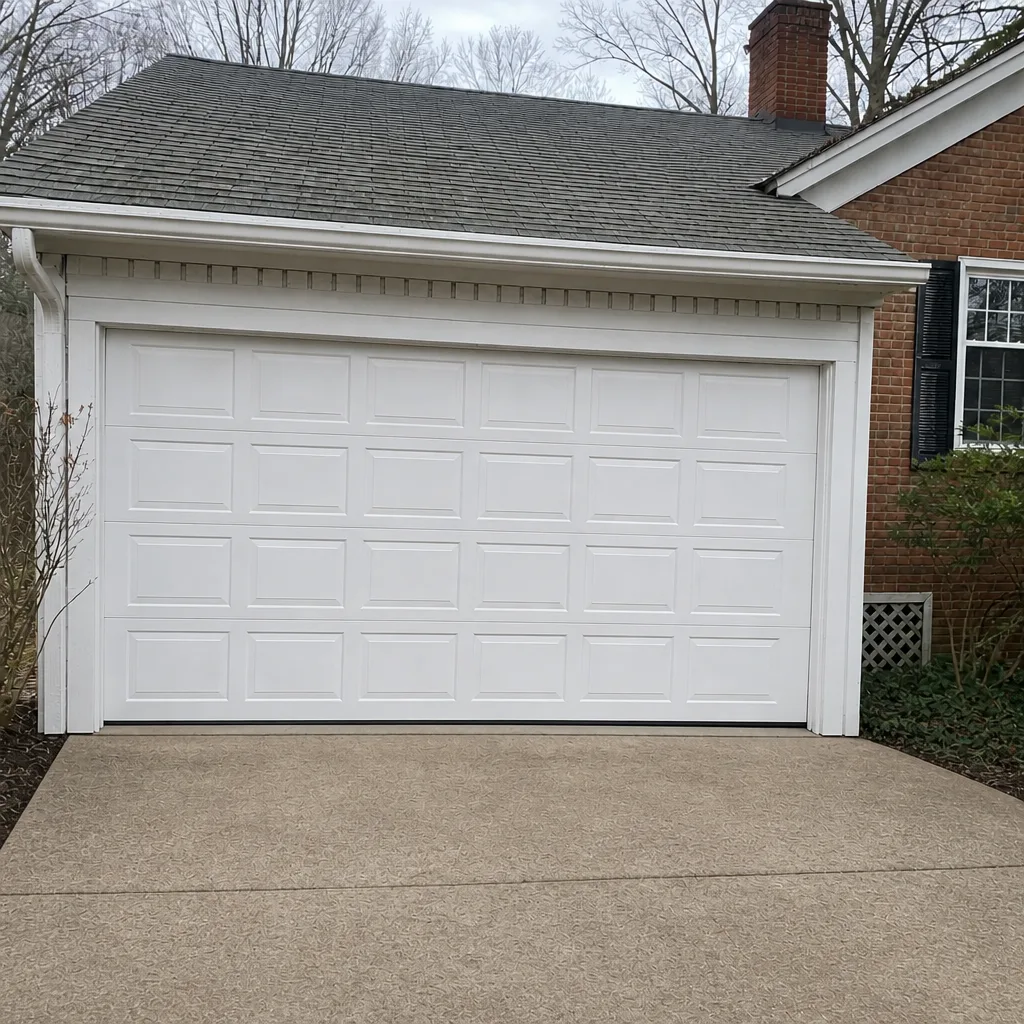 After
 Before
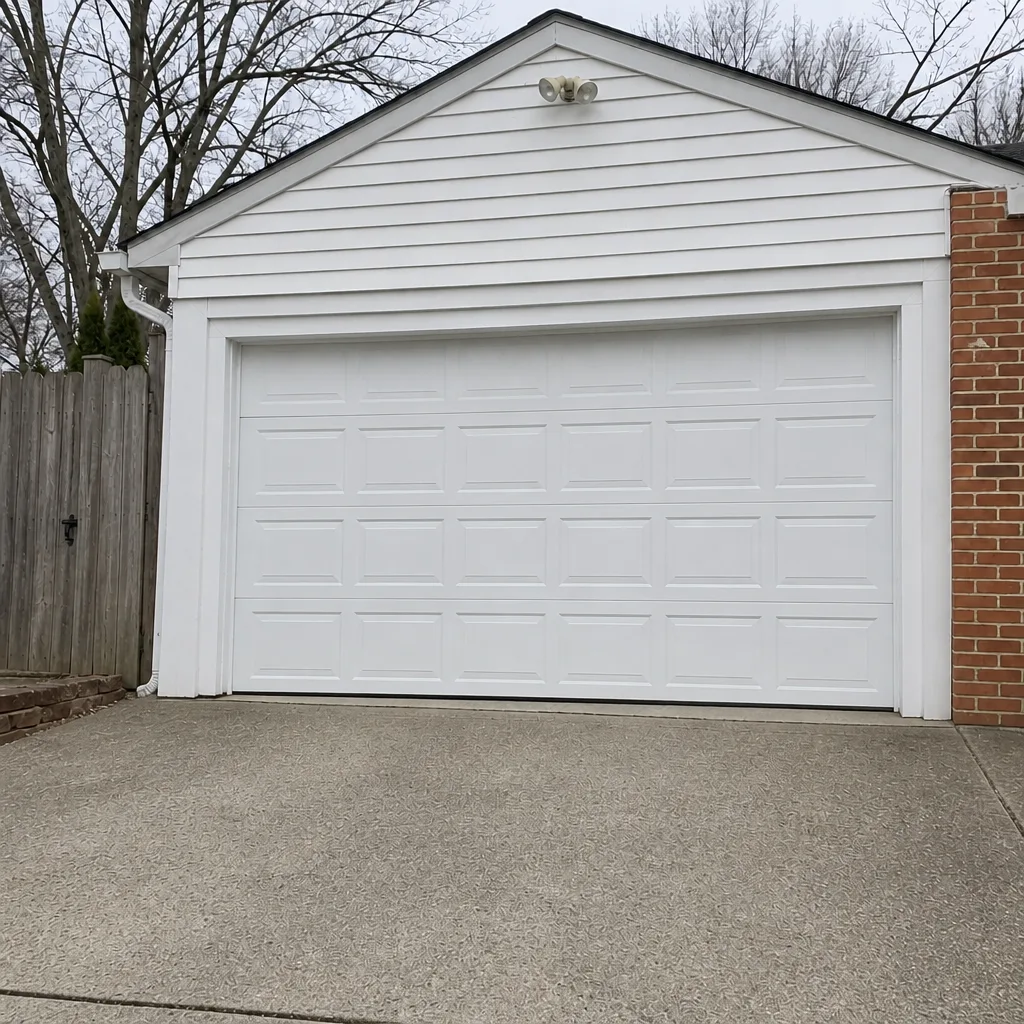 After
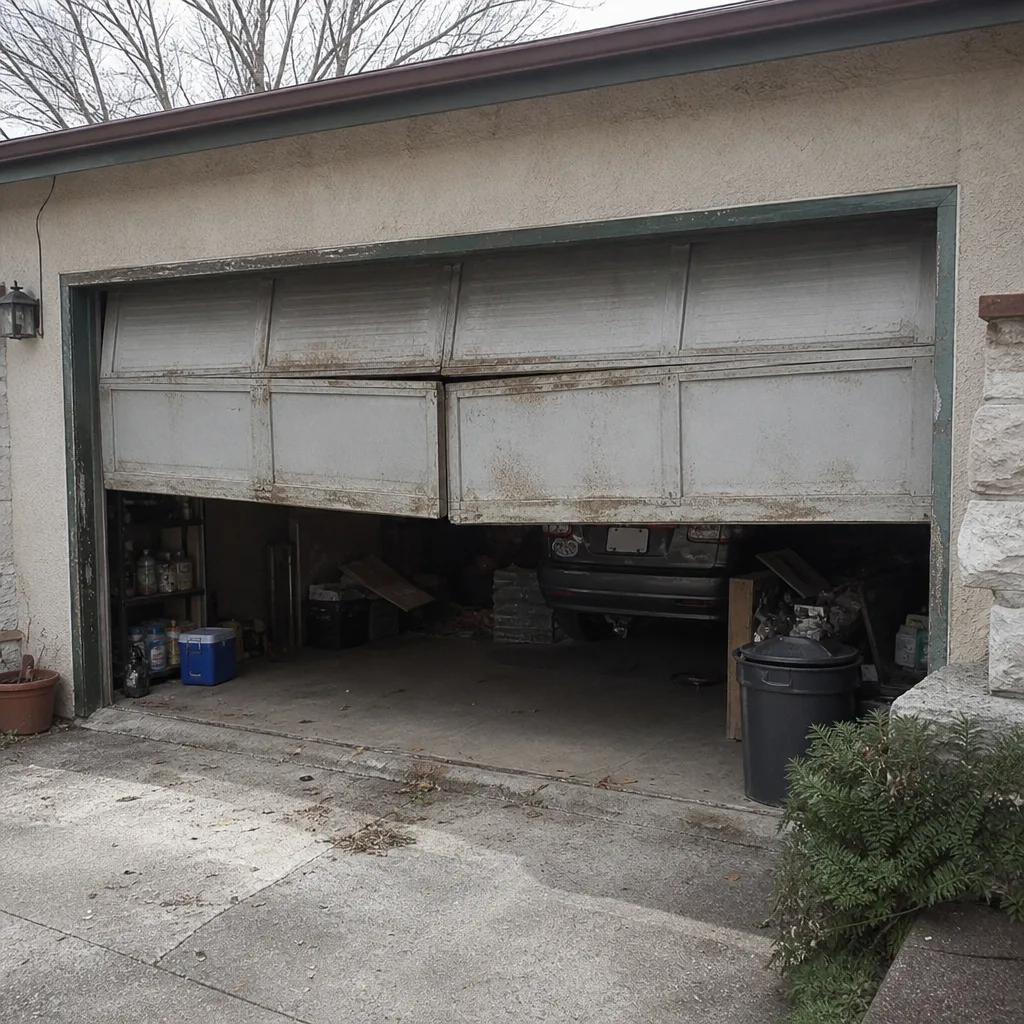 Before
 After
Frequently Asked Questions
Garage door repair pricing in Bethesda depends on the problem: spring replacement, opener repair, track and panel repairs, and cable work each carry different parts and labor. Because the written estimate sets the final price and we don’t quote firm numbers without seeing the door, the best path is to get a free estimate. Call (855) 550-7635. We answer 24/7. Fast dispatch from 7am to 7pm, Sunday through Friday.
Yes. Garage door work is home improvement work in Maryland, and contractors must hold an active license through the Maryland Home Improvement Commission. Verify the number in the state’s online lookup before work begins. If a contractor can’t produce a license number, find someone else.
No, and you shouldn’t ask them to. Spring repair involves high-tension components that can cause serious injury if handled without the right tools and training. It’s the highest-risk repair in the trade, and a specialist should do it. If your spring has snapped, call a garage door professional.
It shouldn’t if the estimate was prepared properly. A legitimate estimate measured the opening and identified the parts needed. The written quote is the price. If something unexpected comes up during the work, a reputable contractor explains it and gets your approval before proceeding. Call (855) 550-7635 for a free estimate.
Ask three questions. Which brands do they work with regularly? Do they have dealer or certified-tech status with those manufacturers? And who does the actual work, in-house technicians or subcontractors? A specialist answers all three directly. A generalist usually can’t.
Bethesda Garage Door Repair Pros offers emergency garage door service for time-sensitive failures, including doors that won’t open with a car inside and doors left unsecured. Call (855) 550-7635. We answer 24/7. Fast dispatch from 7am to 7pm, Sunday through Friday. A call outside dispatch hours is booked into the next opening.
Look for hands-on fluency with major residential garage door and opener brands, including Clopay, Amarr, Wayne Dalton, LiftMaster, Chamberlain, Genie, Craftsman, and Raynor. Brand knowledge matters because it determines parts availability, warranty preservation, and whether the technician can diagnose by system behavior rather than guesswork. For more on spring-specific work, see garage door spring repair.
The Bottom Line
Hiring a garage door contractor in Bethesda comes down to verification. Check the MHIC license. Ask the brand questions and expect specific answers. Read the quote for part numbers, spring counts, and the measurement that should precede the number. Read reviews with a garage door filter. Get the contract in writing and make sure it matches the estimate. A dedicated specialist will clear every step without flinching. A generalist will hesitate somewhere. Start with the free estimate, ask the hard questions, and don’t sign until you’ve run the verification steps above. If you’re ready to talk through your door, we’re the team that works on your brand and handles the whole cycle, from a broken spring to a full new installation.
For more on the full scope of what we do in Bethesda, visit Bethesda Garage Door Repair Pros. When you’re ready to schedule an estimate or need emergency service, call (855) 550-7635. We answer 24/7. Fast dispatch from 7am to 7pm, Sunday through Friday. The estimate is free, and the price is set per job by the written estimate before any work starts. Our technicians have up to 9 years of experience, and we’re a garage door specialist, not a general handyman service.
Written by the team at Bethesda Garage Door Repair Pros.